
Yoga Retreats Around the World
Yoga retreats offer a dedicated break to deepen your practice, rest, and explore a new place. Use this guide to understand the options, choose wisely, and prepare for a safe and rewarding experience.
- Home
- Yoga Retreats Around the World
Explore
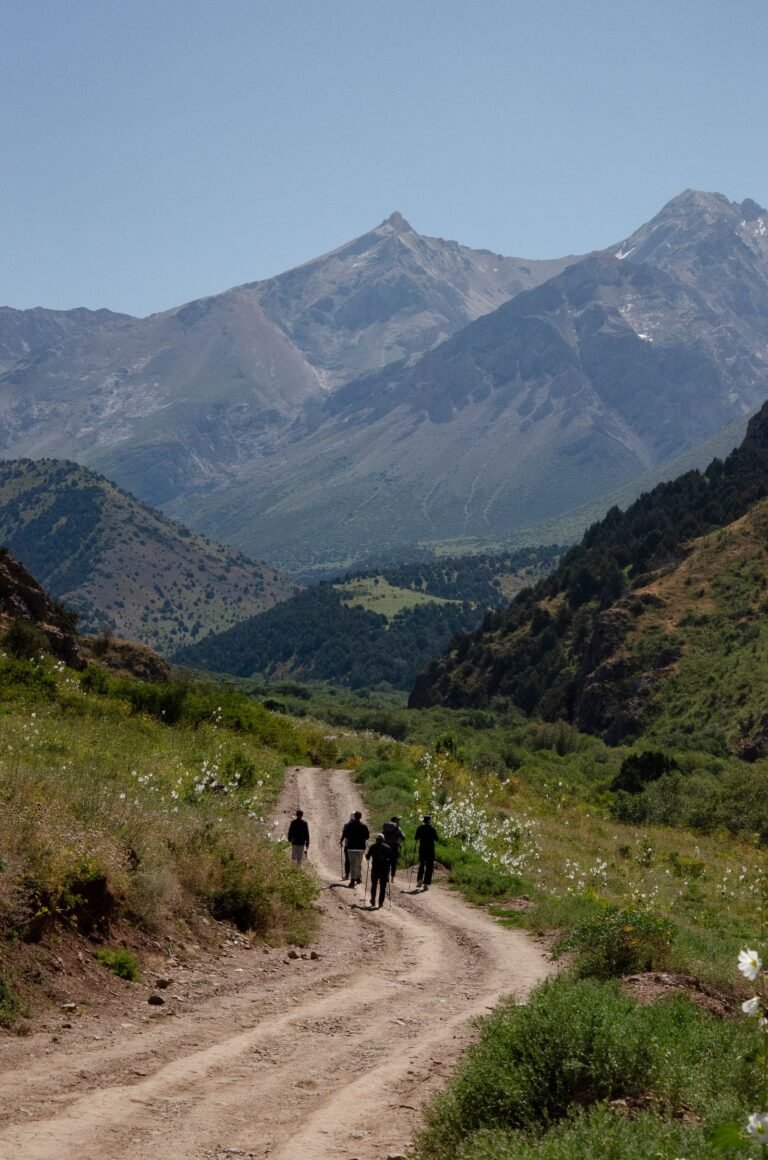
Discover retreats across Europe, from Mediterranean villas to Alpine chalets, with a focus on local culture and seasonal practice.
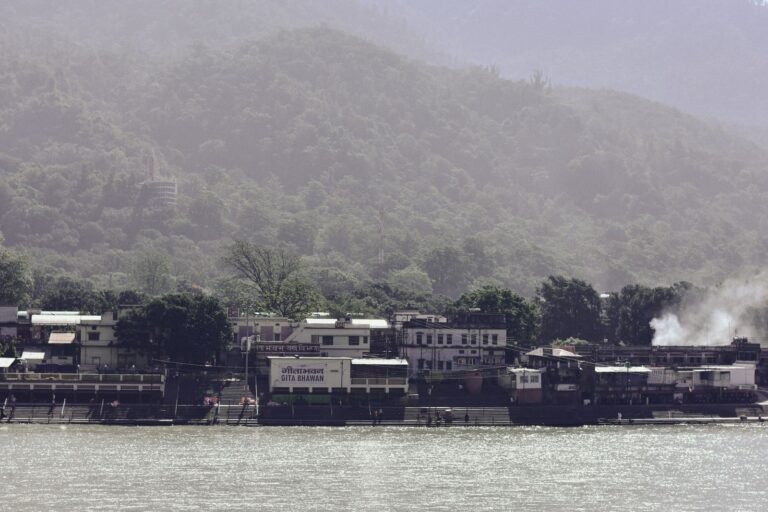
Explore ashrams and teacher-led immersions in India's traditional yoga hubs, including Rishikesh, Goa, and Kerala.
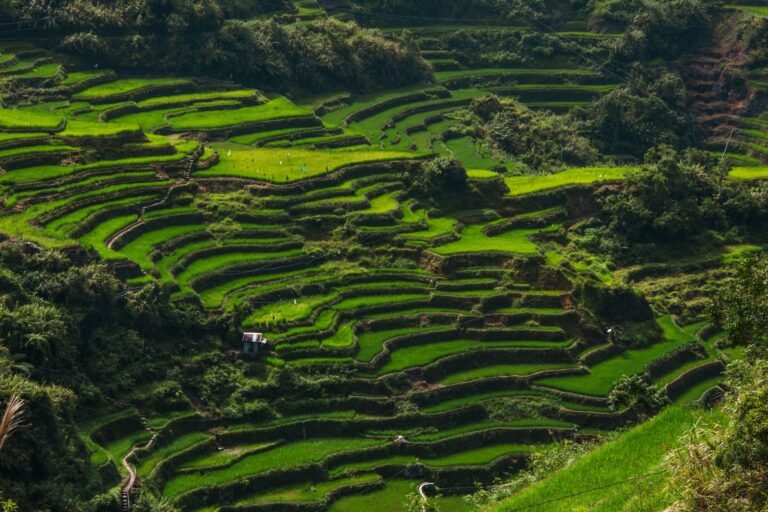
Find tropical retreats in Thailand, Bali, and Sri Lanka offering a blend of wellness, meditation, and beachside practice.
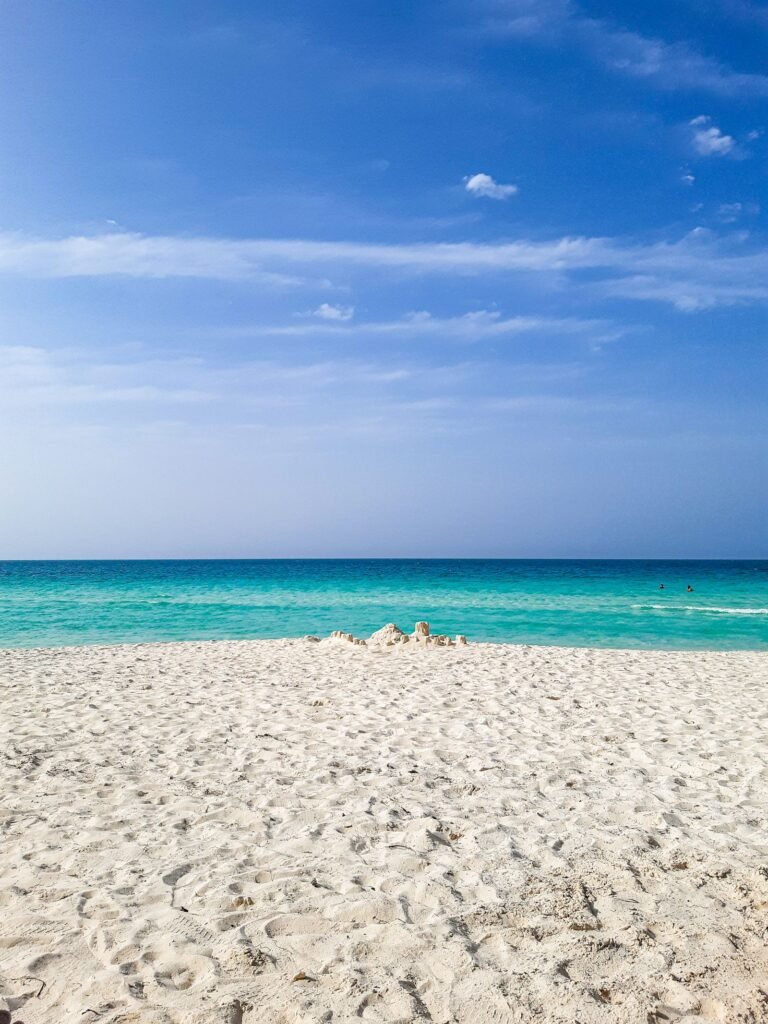
Unwind at island retreats in the Caribbean with gentle yoga, warm waters, and relaxed schedules.
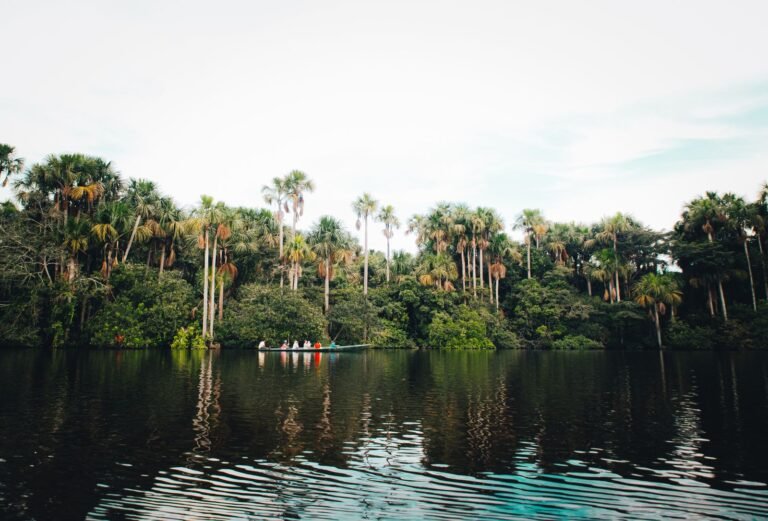
Experience eco-friendly retreats in Costa Rica, pairing yoga with rainforest adventures and Pacific or Caribbean coastlines.
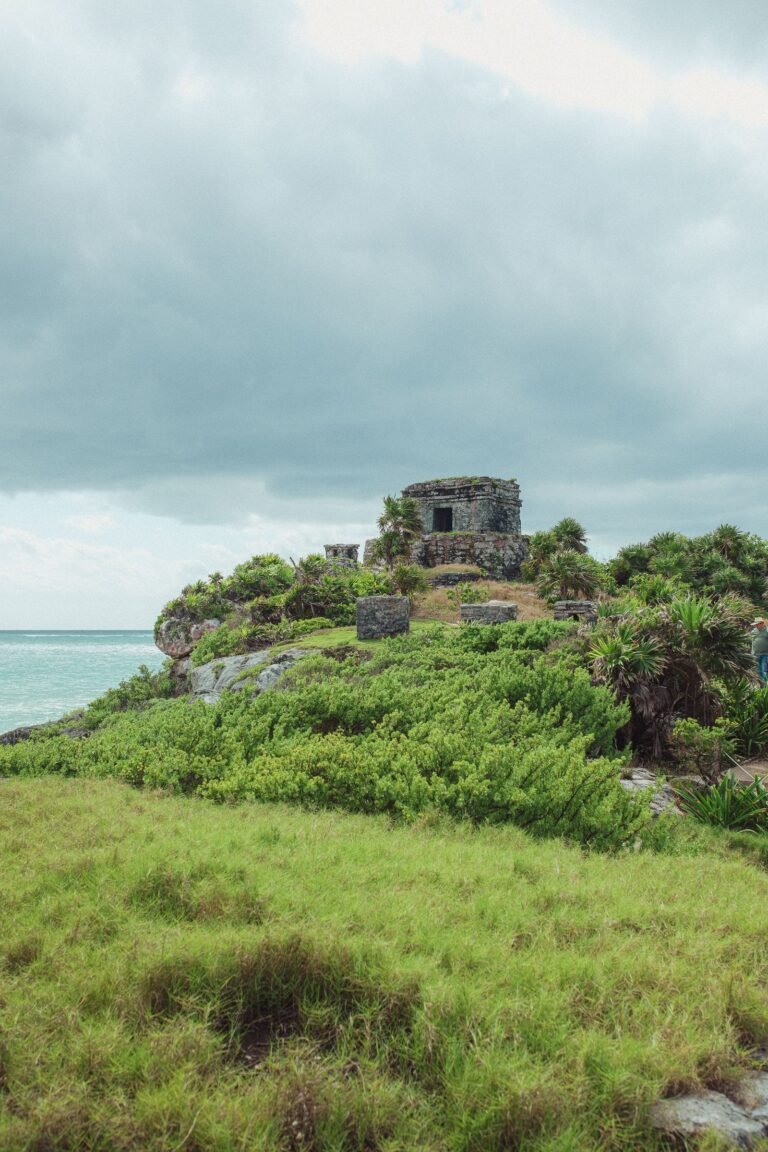
Practice yoga in Mexico at beachfront resorts, jungle sanctuaries, and cultural centers across the Yucatan, Oaxaca, and Baja.
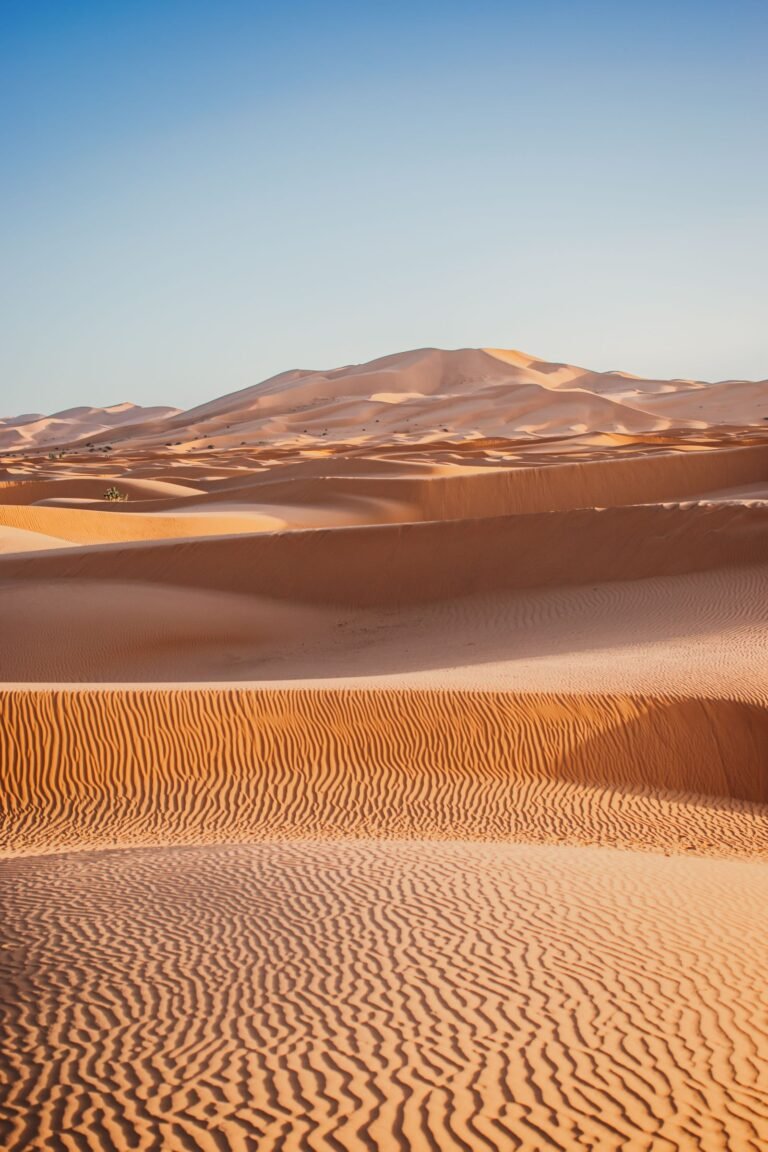
From Morocco's desert camps to South Africa's winelands, Africa offers diverse retreat settings with wildlife and rich culture.
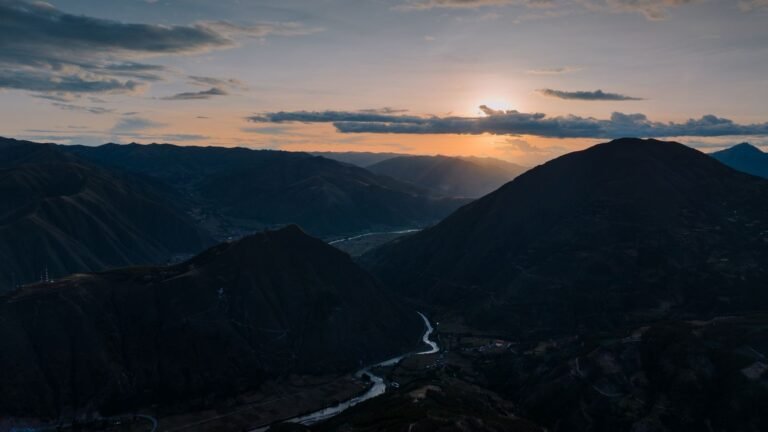
Retreat in the Andes, Amazon, or coastal towns of South America, often combined with hiking, Spanish immersion, or mindfulness.

Relax in Fiji, Tahiti, and Australia with oceanfront yoga, coral reefs, and Polynesian hospitality.
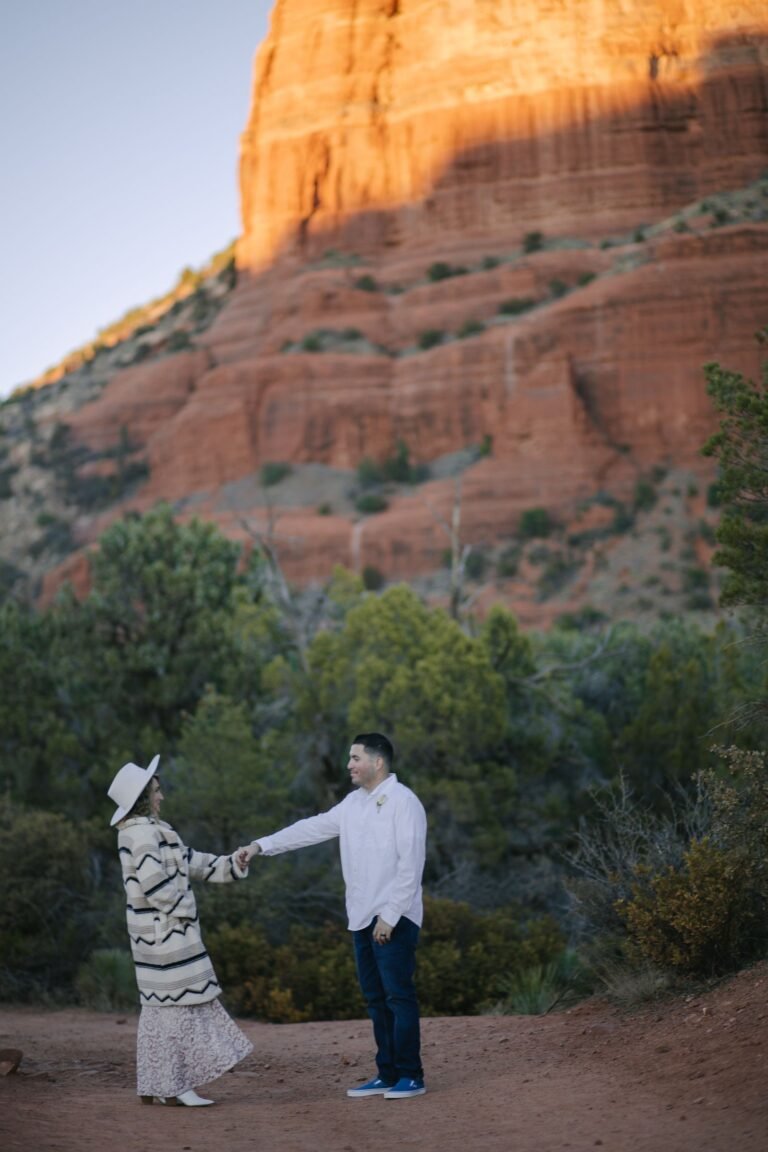
Find accessible retreats across the United States, from California's coast to Colorado's mountains and New England's countryside.
Yoga retreats offer a dedicated break from routine to deepen a yoga practice, rest, and connect with a new environment. A retreat can range from a simple weekend at a local center to a multi-week immersion in a distant country. This guide explains what a yoga retreat is, common formats, how to choose one, and how to prepare safely.
What Is a Yoga Retreat?
A yoga retreat is a structured getaway centered on yoga practice. Most retreats include daily asana sessions, pranayama or breathing work, meditation, and time for rest. Some add workshops on yoga philosophy, Ayurveda, or mindfulness. Retreats are not medical practices; they are immersive practice opportunities.
Retreats vary in length from a long weekend to several weeks. They may be silent or social, rustic or luxurious. The common thread is a temporary step away from everyday responsibilities to focus on bodily awareness and mental clarity.
Historical Roots
The idea of stepping away from daily life for spiritual practice is ancient. In yoga traditions, seekers often lived in forests, caves, or ashrams under a teacher’s guidance. Similar retreat practices appear in Buddhism, Christianity, and Sufism. You can read more about the broader history of spiritual retreats on Wikipedia.
Modern yoga retreats evolved from these traditions and from 20th-century wellness tourism. In the 20th century, Indian teachers traveling to Europe and the United States helped spread yoga, and retreat centers followed. Today they range from traditional ashrams to contemporary eco-resorts.
Types of Yoga Retreats
- Traditional ashram retreats: Often in India, these follow a daily schedule of early morning practice, karma yoga (selfless service), study, and simple vegetarian meals.
- Resort and wellness retreats: Combine yoga with spa practices, healthy cuisine, and comfortable lodging. Good for first-timers.
- Adventure retreats: Pair yoga with hiking, surfing, or cultural excursions.
- Silent meditation retreats: Emphasize sitting meditation with limited talking, often rooted in Buddhist or yogic tradition.
- Specialized retreats: Focus on a specific style such as restorative yoga, yin yoga, or prenatal yoga, or on themes like stress reduction or creativity.
Some retreats are all-inclusive, covering lodging, meals, and classes. Others are more independent, with optional sessions and self-catering.
Common Retreat Formats
| Format | Typical Duration | Best For |
|---|---|---|
| Weekend local retreat | 2 to 3 days | Beginners, busy schedules |
| Week-long resort retreat | 5 to 7 days | Rest, gentle practice |
| Intensive ashram stay | 1 to 4 weeks | Serious study, traditional training |
| Adventure retreat | 4 to 10 days | Active travelers, combining hobbies |
How to Choose a Yoga Retreat
Choosing a retreat depends on your experience level, budget, travel preferences, and goals. A beginner may prefer a retreat with gentle classes and clear instruction, while an experienced practitioner might seek an intensive or specialized program. If you are new to retreats, consider a shorter program close to home before booking a long-haul trip.
- Define your intention: rest, learning, adventure, or spiritual practice.
- Research the teachers and their qualifications. Look for experienced instructors with recognized training.
- Check the daily schedule and level. Make sure the pace suits your body and mind.
- Consider location and climate. Some regions are better for certain seasons.
- Read recent reviews from multiple sources, but focus on facts rather than promotional language.
If you have any health condition, injury, or are pregnant, consult a healthcare provider before booking. Notify the retreat organizers in advance so they can suggest modifications.
Region Guides
A yoga retreat can be found on every continent. Each region has a distinct character.
Europe
Europe offers retreats from quiet countryside centers in France, Spain, and Portugal to historic settings in Italy and Greece. Many European retreats blend yoga with Mediterranean food and outdoor living. Some centers are dedicated yoga spaces with retreats year-round, while others are seasonal.
India
India is the birthplace of yoga. Ashrams in Rishikesh, Goa, and Kerala draw practitioners seeking traditional teachings, philosophy, and Ayurveda. Many retreats include study of classical texts such as the Yoga Sutras, and some offer Ayurvedic consultations.
Asia
Thailand, Bali in Indonesia, and Sri Lanka are popular for tropical backdrops, wellness resorts, and a mix of yoga styles. Bali in particular has a large number of retreat centers, from budget-friendly guesthouses to high-end resorts.
Caribbean and Central America
Islands in the Caribbean, Costa Rica, and Mexico offer beachfront retreats with a focus on relaxation, surfing, and eco-tourism. The region is known for warm weather and easy access from North America and Europe.
Africa, South America, and the South Pacific
From Morocco’s desert retreats to Peru’s mountain lodges and Fiji’s island sanctuaries, these regions provide unique cultural and natural settings. South Africa’s Western Cape and Morocco’s Atlas Mountains are notable retreat destinations.
USA
The United States has retreat centers in California, Hawaii, Colorado, and the Berkshires, among others. Many are within driving distance for a short getaway. Several established centers offer weekend and week-long programs, often with a focus on nature and community.
Safety and Preparation
Yoga is generally safe for healthy people, but some styles and postures require caution. Inversions and strong backbends may not be suitable for everyone, especially those with high blood pressure, glaucoma, or neck issues. Always listen to your body and inform the instructor of any concerns. For example, if you have glaucoma, avoid holding your head below your heart. If you are pregnant, seek a prenatal-specific retreat or instructor.
Before traveling, check entry requirements, vaccinations, and travel insurance. Pack comfortable clothing, a reusable water bottle, sun protection, and any personal medications.
Retreat schedules can be intense. Build in rest time and stay hydrated. If a posture causes sharp pain, stop and ask for help.
Further Reading on About Yoga
To support your practice before or after a retreat, explore our detailed guides:
- Yoga poses library for alignment and variations.
- Standing poses to build strength and balance.
- Forward bending poses for calm and flexibility.
- Backbends for energy and spinal mobility.