
Standing Yoga Poses
Explore the essential standing yoga poses that form the foundation of a balanced practice. This guide covers alignment, benefits, and detailed instructions for each posture.
- Home
- Yoga Asanas
- Standing Yoga Poses
Why Standing Yoga Poses Matter
Standing poses are the building blocks of a balanced yoga practice. They develop lower body strength, improve balance, and teach you how to align the body from the ground up. These postures also cultivate focus and body awareness, making them ideal for both beginners and experienced practitioners.
Because standing asanas require engagement of the legs, hips, and core while keeping the spine long, they help prepare the body for more complex movements. When practiced regularly with attention to alignment, they can support healthy posture and joint function. Always move within a pain-free range and consult a qualified instructor if you have specific concerns.
The Core Standing Poses
The following poses are commonly taught in hatha and vinyasa classes. Each description includes setup, alignment cues, and cautions.
Mountain Pose (Tadasana)
Mountain Pose looks simple but is the blueprint for all standing poses. Stand with feet together or hip width apart, press the four corners of each foot into the mat, and lift the kneecaps. Engage the quadriceps, lengthen the tailbone down, and draw the navel slightly in. Roll the shoulders back and relax the arms by your sides, palms facing forward. Breathe steadily and feel the crown of the head lifting.
Alignment cues: Stack ankles, knees, hips, and shoulders. Keep the back of the neck long and the chin parallel to the floor.
Cautions: If you have low back discomfort, keep a slight bend in the knees and avoid overarching the lower back.
Warrior I (Virabhadrasana I)
From Mountain Pose, step the left foot back about three to four feet, turning the left foot out 45 degrees. Bend the right knee until the thigh is parallel to the floor, keeping the knee directly over the ankle. Square the hips forward as much as possible and raise the arms overhead, shoulder width apart. Press the outer edge of the back foot down and lift through the chest.
Alignment cues: Keep the front shin vertical, back leg straight but not locked, and pelvis neutral. Reach through the fingertips while relaxing the shoulders.
Cautions: Avoid this pose with recent hip, knee, or shoulder injuries. If the hips cannot square, take a wider stance or shorten the stride.
Warrior II (Virabhadrasana II)
From a wide stance, turn the right foot out 90 degrees and the left foot in slightly. Bend the right knee over the right ankle, keeping the thigh parallel to the floor. Open the arms to shoulder height, gaze over the right fingertips, and keep the torso upright. Sink the hips down while pressing into the outer edge of the back foot.
Alignment cues: Align the front heel with the back arch, keep both sides of the torso long, and draw the shoulder blades down the back.
Cautions: If you have neck issues, keep the gaze forward or down. Modifications include placing hands on hips or using a chair for support.
Warrior III (Virabhadrasana III)
Begin in Warrior I or from Mountain. Shift the weight onto the right foot and hinge forward at the hips while lifting the left leg behind you. Bring the torso and left leg parallel to the floor, arms reaching forward or back by the sides. Keep the standing leg strong, foot rooted, and hips level.
Alignment cues: Press the heel of the standing foot back, lengthen the spine, and draw the navel in. Avoid locking the standing knee.
Cautions: This balance pose requires coordination. Practice near a wall or use blocks under the hands. Avoid with ankle or knee instability.
Triangle Pose (Trikonasana)
From a wide stance, turn the right foot out 90 degrees and the left foot in slightly. Reach the right hand toward the right shin, ankle, or a block, and extend the left arm upward. Keep both legs straight but not hyperextended, and rotate the chest open toward the side wall. Lengthen through both sides of the waist.
Alignment cues: Stack the shoulders over the hips, keep the front knee soft, and press the feet firmly into the mat. The back heel should stay grounded.
Cautions: Avoid if you have low back pain or sacroiliac dysfunction without professional guidance. Use a block for the bottom hand to reduce strain.
Extended Side Angle (Utthita Parsvakonasana)
From Warrior II, lower the right forearm to the right thigh or place the right hand on a block outside the right foot. Extend the left arm over the left ear, palm facing down. Keep the front knee bent at 90 degrees, chest open, and left leg strong. Press through the outer edge of the back foot.
Alignment cues: Create a straight line from the back foot through the side body to the fingertips. Do not let the front knee collapse inward.
Cautions: Avoid if you have shoulder impingement when raising the arm. Keep the bottom hand on the thigh instead of the floor if neck or side body is tight.
Tree Pose (Vrksasana)
From Mountain Pose, shift weight onto the left foot. Place the sole of the right foot on the inner left thigh or calf, never on the knee. Press the foot and inner thigh together. Bring hands to heart center or extend arms overhead. Gaze softly at a fixed point and breathe evenly.
Alignment cues: Keep the standing leg active, hips level, and tailbone reaching down. Avoid leaning the body toward the standing foot.
Cautions: If balancing is difficult, stand near a wall or keep the toes of the lifted foot on the floor. Avoid if you have recent foot or ankle injury.
Chair Pose (Utkatasana)
From Mountain Pose, bend the knees as if sitting back into a chair. Keep the chest lifted, weight in the heels, and arms reaching forward or overhead. Draw the lower belly in and lengthen the tailbone down. Hold for several breaths while keeping the knees tracking over the toes.
Alignment cues: Keep the shins vertical, thighs parallel if possible, and shoulders relaxed. Do not let the knees drift inward or the lower back overarch.
Cautions: Avoid deep knee bend with knee injuries. Keep the knees tracking over the second toe and use a wall for back support if needed.
Anjaneyasana (Crescent Low Lunge) in Depth
Anjaneyasana, often called Crescent Low Lunge, is a foundational lunge posture that opens the hip flexors and strengthens the legs. It appears in many vinyasa sequences and is an excellent preparation for deeper backbends and lunges. The name comes from the Sanskrit term Anjaneya, referring to Lord Hanuman, and asana meaning seat or pose.
The following steps and guidelines will help you practice it with confidence.
Step-by-Step Instructions
- Begin in a low lunge position with the right foot forward and the left knee resting on the mat. Place a folded blanket under the back knee if needed.
- Align the right knee directly over the right ankle, shin vertical. Keep the left leg extended back with the top of the foot pressing into the mat.
- Press the palms into the front thigh or bring them to the front knee. Inhale and lift the torso upright.
- On an exhale, reach the arms overhead with palms facing each other, shoulder width apart. Draw the shoulder blades down.
- Gently press the pelvis forward and down, feeling a stretch in the left hip flexor. Keep the tailbone reaching down, not the ribs jutting forward.
- Hold for 5-10 breaths, then release the hands to the mat and step back or switch sides.
Alignment Cues
- Keep the front knee stacked over the ankle, not drifting forward past the toes.
- Engage the back leg by pressing the top of the foot down and lifting the inner thigh.
- Lengthen the lower back by drawing the front ribs in and the tailbone down.
- Keep the hips as square as possible without forcing; a slight rotation is acceptable for beginners.
- Maintain a long spine and avoid compressing the lower back as you lift the arms.
Common Mistakes
- Allowing the front knee to collapse inward or move too far forward, which strains the knee joint.
- Overarching the lower back by pushing the ribs forward, leading to compression in the lumbar spine.
- Dumping weight into the back knee without engaging the leg, reducing the hip-opening benefits.
- Shrugging the shoulders up to the ears when raising the arms, creating tension in the neck.
Modifications and Props
If the back knee is sensitive, place a folded blanket or towel under it. To decrease the intensity on the hip flexor, reduce the depth of the lunge or place blocks under the hands for support. For more challenge, lift the back knee off the mat into a high lunge, or add a gentle backbend by lifting the chest and gazing slightly up without straining the neck.
Cautions
Avoid Anjaneyasana if you have a recent knee injury, hip replacement, or severe lower back pain without medical clearance. Pregnant practitioners may modify by keeping the hands on the front thigh and avoiding deep hip extension. Always work with a qualified yoga teacher to adapt the pose to your body.
Summary Table: Standing Poses at a Glance
| Pose Name | Sanskrit Name | Level | Primary Focus |
|---|---|---|---|
| Mountain Pose | Tadasana | Beginner | Foundation, posture |
| Warrior I | Virabhadrasana I | Beginner-Intermediate | Leg strength, hip flexor stretch |
| Warrior II | Virabhadrasana II | Beginner | Leg strength, hip opening |
| Warrior III | Virabhadrasana III | Intermediate | Balance, core stability |
| Triangle Pose | Trikonasana | Beginner-Intermediate | Side body stretch, leg alignment |
| Extended Side Angle | Utthita Parsvakonasana | Intermediate | Hip opening, side stretch |
| Tree Pose | Vrksasana | Beginner | Balance, focus |
| Chair Pose | Utkatasana | Beginner | Leg strength, endurance |
| Crescent Low Lunge | Anjaneyasana | Beginner-Intermediate | Hip flexor stretch, leg strength |
Safety Notes and Alignment Principles
Standing poses are generally safe for most people, but attention to alignment reduces the risk of strain. The following principles apply across all postures.
- Ground through the feet: Spread the toes and press evenly through the four corners of each foot to create a stable base.
- Protect the knees: In bent-knee poses, keep the knee tracking over the second toe and avoid letting it collapse inward or push too far forward.
- Engage the core: A gentle drawing in of the lower belly supports the lower back and helps maintain spinal length.
- Breathe steadily: Never hold the breath. If breathing becomes strained, back off or rest.
- Use props: Blocks, walls, and chairs are not signs of weakness. They help you find alignment while you build strength.
- Respect your limits: Never force a pose. Gradual, consistent practice yields better results than pushing through pain.
If you have high blood pressure, glaucoma, balance disorders, or any injury, consult a healthcare provider before beginning a yoga practice. During pregnancy, modify poses as needed and seek guidance from a prenatal yoga specialist.
Explore Related Yoga Resources
To continue building your practice, explore our guides on essential yoga poses, forward bending poses, and backbends. For additional context on Anjaneyasana, see the Wikipedia entry on Anjaneyasana.
Keep Reading
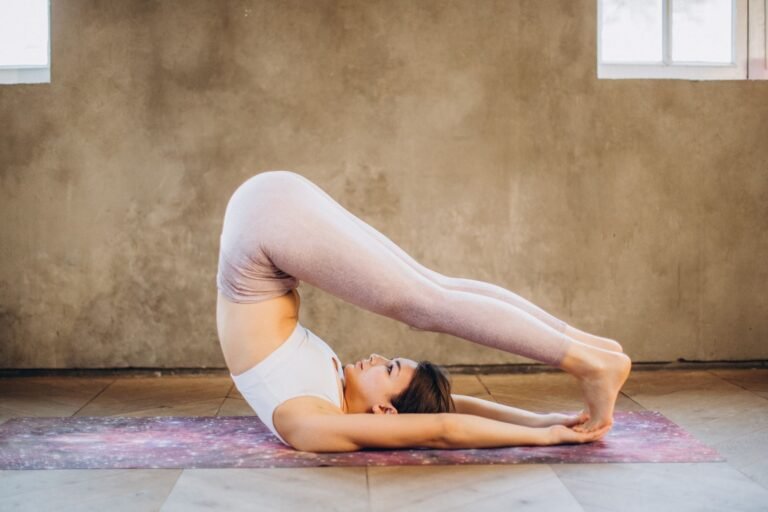
Learn safe forward bending poses: Paschimottanasana, Uttanasana, Janu Sirsasana, Prasarita Padottanasana and Child's Pose with alignment and spine…
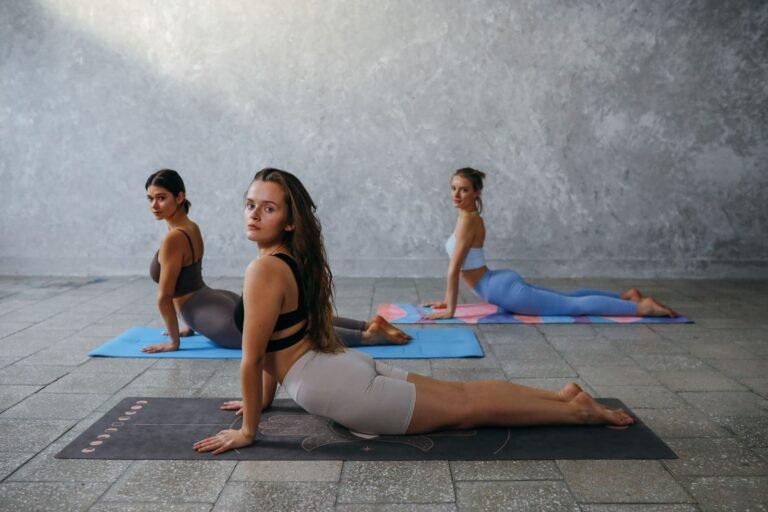
Learn cobra, sphinx, upward dog, bridge, camel, bow, and wheel pose with step-by-step instructions, safety tips, and counterposes.
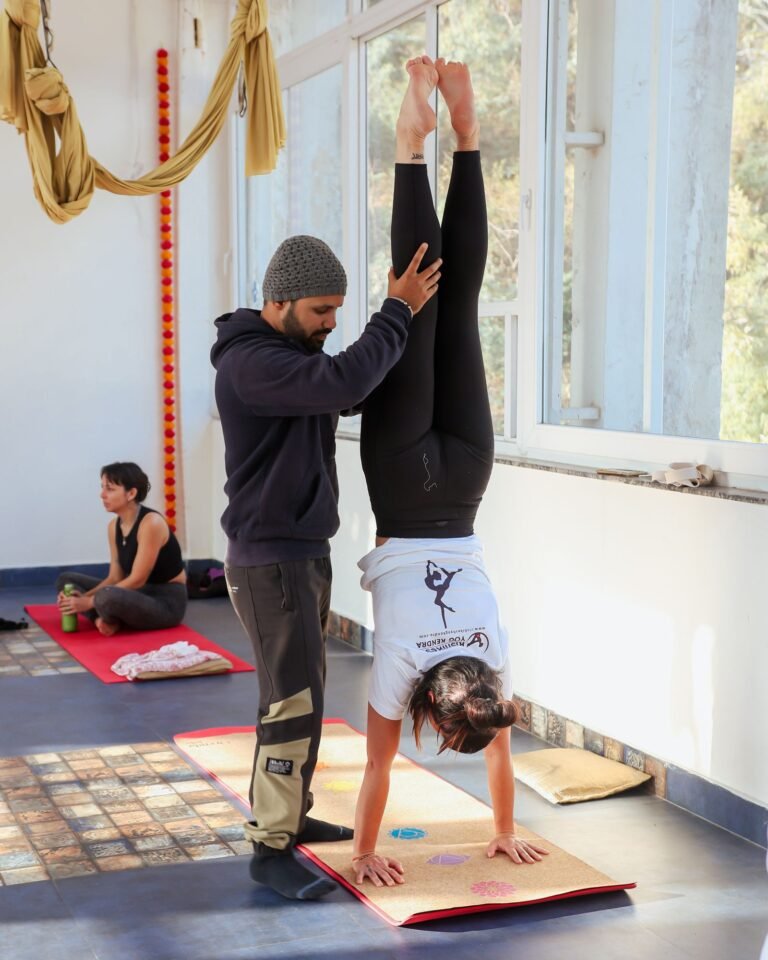
Learn safe yoga inversions from Downward Dog to Headstand. Step-by-step instructions, modifications, props, and contraindications for all levels.
New to Yoga?
Start with the basics and build a steady, safe practice
Our beginner guide covers your first class, practising at home and how to choose a style and teacher that suit you.