
Yoga Arm Balances
Learn how to build strength and confidence in yoga arm balances, including Crow, Side Plank, Eight-Angle, and Firefly. Use these step-by-step cues and safety tips to progress mindfully.
- Home
- Yoga Asanas
- Yoga Arm Balances
What Are Yoga Arm Balances?
Yoga arm balances are a group of postures where the arms support most or all of the body weight while the feet lift away from the floor. They include well known poses like Crow Pose (Bakasana), Side Plank (Vasisthasana), Eight-Angle Pose (Astavakrasana), and Firefly Pose (Tittibhasana). Although they look demanding, arm balances are accessible when approached with patience, proper preparation, and attention to core engagement and wrist care.
The traditional system of Hatha yoga includes many arm balance asanas. You can explore a wider list of asanas on Wikipedia’s asana directory for context, but this guide focuses on four practical poses and the progressions that connect them.
Benefits of Working Toward Arm Balances
Arm balances help develop upper body strength, especially in the wrists, forearms, shoulders, and chest. They also demand deep core engagement and hip mobility, which supports overall body control and coordination. Regular practice can improve concentration and mental resilience, as the poses require steady focus and a willingness to experiment. Many practitioners find that arm balances build confidence by showing that physical challenges can be broken into progressive steps. These benefits come from the practice itself, not from any medical claim about addressing or relieving conditions.
Before You Begin: Wrist Care and Core Engagement
Wrist care is essential for arm balances because the wrists bear significant load. Start by warming up the wrists with gentle circles, flexing and extending the fingers, and pressing the palms into a tabletop position. During each pose, spread the fingers wide, press firmly through the knuckles and fingertips, and avoid collapsing the weight into the heel of the hand. Using a sticky mat or a folded blanket under the heels of the hands can reduce pressure. If you feel sharp wrist pain, come out of the pose and rest.
Core engagement means drawing the navel toward the spine, lifting the pelvic floor, and maintaining a slight rounding of the lower back in poses like Crow and Firefly. This action helps transfer weight from the wrists into the center of the body and makes the legs feel lighter. Practice core activation in Plank Pose, Boat Pose, and seated leg lifts before attempting arm balances.
Wrist Warm-Up Routine
- Come to hands and knees with shoulders over wrists.
- Rock gently forward and back for five breaths, keeping fingers spread.
- Circle the wrists slowly five times in each direction.
- Flip the hands so the backs of the hands rest on the mat, fingers pointing toward the knees, and hold for a few breaths if comfortable.
- Return to a tabletop position and press evenly through all ten knuckles.
Pose 1: Crow Pose (Bakasana)
Crow Pose is often the first arm balance learned because it is relatively low to the ground and builds the foundation for many other balances. The knees rest on the backs of the upper arms, the feet lift, and the body balances on the hands.
Step-by-Step Instructions
- Start in a low squat with feet hip width apart.
- Place your hands on the mat shoulder width apart, fingers spread wide.
- Rise onto the balls of your feet and place your knees as high onto the backs of your upper arms as possible.
- Shift your weight forward until your elbows stack over your wrists and your chest moves past your hands.
- Engage your core and lift one foot at a time off the floor.
- Keep your gaze slightly forward, not down between the hands.
- Hold for 5 to 10 breaths, then lower gently.
Alignment Cues
- Keep the elbows directly over the wrists, elbows bent, not flaring out.
- Round the upper back and pull the belly in strongly.
- Press the shins against the arms and squeeze the knees inward.
- Look at a point on the floor about 30 cm ahead of the hands.
Common Mistakes
- Collapsing into the wrists with the shoulders dipping too low.
- Allowing the elbows to splay out to the sides.
- Placing the knees too low near the elbows.
- Holding the breath instead of breathing steadily.
Modifications and Props
- Place a block under the forehead to reduce fear of falling forward.
- Keep the toes on the floor and practice weight shifting without lifting.
- Use a folded blanket under the hands to cushion the wrists.
Cautions
Skip Crow Pose if you have acute wrist, elbow, or shoulder injuries, carpal tunnel syndrome, or are pregnant and feel pressure in the lower abdomen. Always warm up the wrists first.
Pose 2: Side Plank (Vasisthasana)
Side Plank is a foundational arm balance that strengthens the obliques, shoulder stabilizers, and the supporting arm. It is often included in arm balance progressions because it teaches one arm support without the leg lifting complexity of other balances.
Step-by-Step Instructions
- Begin in a standard Plank Pose with wrists under shoulders and body in a straight line.
- Shift your weight onto your right hand and rotate your body to the right, stacking your left foot on top of the right foot.
- Press firmly through the right hand and lift your hips away from the floor.
- Extend your left arm toward the ceiling, keeping the shoulders stacked.
- Engage your core and thighs, and keep the sides of the waist long.
- Hold for 5 to 10 breaths, then return to Plank and repeat on the left side.
Alignment Cues
- Keep the supporting hand slightly forward of the shoulder, not directly under it, to protect the wrist.
- Stack the feet, hips, and shoulders in one vertical line.
- Press the floor away with the supporting hand to avoid sagging into the shoulder.
- Lift through the underside of the body, especially the lower hip.
Common Mistakes
- Dropping the hips toward the floor.
- Letting the shoulders roll forward or the neck tense.
- Placing the supporting hand too far back, which strains the wrist.
- Holding the breath and losing core engagement.
Modifications and Props
- Lower the bottom knee to the floor for support, keeping the upper body stacked.
- Place a block under the supporting hand to reduce wrist extension.
- Practice with the feet against a wall for extra stability.
Cautions
Be careful with Side Plank if you have shoulder, elbow, or wrist issues, or if you have low blood pressure and feel dizzy when lifting the top arm. Pregnant practitioners can modify by keeping the bottom knee down and avoiding deep twisting.
Pose 3: Eight-Angle Pose (Astavakrasana)
Eight-Angle Pose is an intermediate to advanced arm balance that combines hip opening, hamstring flexibility, and deep core strength. The legs wrap around one arm while the body leans forward to lift off.
Step-by-Step Instructions
- Sit on the floor with your knees bent and feet flat.
- Lift your right shin and cradle it in your arms, with the right knee over the right shoulder and the right ankle over the left shoulder if possible.
- Hook the left foot over the right foot, crossing the ankles.
- Place your hands on the floor beside your hips.
- Bend your elbows slightly, lean your chest forward, and begin to straighten your legs to the right.
- Press through your hands, engage your core, and let your hips lift.
- Hold for 5 breaths, then release and switch sides.
Alignment Cues
- Keep the elbows close to the body, not wide.
- Draw the navel in and round the back like Crow Pose.
- Square the chest toward the front of the mat even as the legs extend to the side.
- Squeeze the thighs together to control the leg position.
Common Mistakes
- Collapsing into the supporting arm and wrist.
- Letting the hips drop too low without lifting.
- Forcing the leg wrap without sufficient hip mobility, which can strain the knee.
- Holding the breath during the lift.
Modifications and Props
- Practice the leg wrap while seated without lifting, using a strap around the feet if needed.
- Place blocks under the hands to reduce the distance to the floor.
- Keep the bottom leg bent instead of fully straightening both legs.
Cautions
Eight-Angle Pose is not recommended for acute shoulder, wrist, or hip injuries, or for those with knee pain during the leg wrap. Pregnant practitioners should avoid this pose due to the strong abdominal compression and twisting.
Pose 4: Firefly Pose (Tittibhasana)
Firefly Pose is an advanced arm balance that requires open hamstrings, strong wrists, and powerful core compression. The legs extend straight between the arms while the hips lift high.
Step-by-Step Instructions
- Stand with feet a little wider than hip width and fold forward.
- Bring your hands behind your calves and work your shoulders behind your knees.
- Place your hands on the floor behind your heels, fingers pointing forward or slightly out.
- Bend your knees deeply and begin to sit back as if sitting into a low squat behind the arms.
- Shift your weight into your hands, lift your hips, and straighten your legs out to the sides.
- Keep the inner thighs squeezing against the arms and the core actively pulling in.
- Hold for 5 breaths, then bend the knees and lower carefully.
Alignment Cues
- Keep the hands as far back between the legs as possible to allow the hips to lift.
- Press the floor away firmly and lift the chest forward, not down.
- Activate the inner thighs against the upper arms to control the legs.
- Look slightly forward to maintain balance.
Common Mistakes
- Trying to straighten the legs before the hips are high enough.
- Rounding the back too much and collapsing into the wrists.
- Letting the feet drop and hips sink too low.
- Forcing hamstring stretch beyond a comfortable range.
Modifications and Props
- Practice with blocks under the hands to gain more lift.
- Keep the knees bent and the legs resting on the arms without straightening fully.
- Work on forward folds and seated straddle stretches to prepare the hamstrings.
Cautions
Firefly Pose is an advanced posture. Avoid it if you have wrist, shoulder, or lower back injuries, or if you are pregnant because of the intense abdominal compression. Do not force the legs straight if the hamstrings are tight.
Summary Table of Arm Balances
| Pose Name | Sanskrit Name | Level | Primary Focus |
|---|---|---|---|
| Crow Pose | Bakasana | Beginner | Wrist strength, core awareness, balance |
| Side Plank | Vasisthasana | Beginner to Intermediate | Oblique strength, shoulder stability, body line |
| Eight-Angle Pose | Astavakrasana | Intermediate to Advanced | Hip mobility, deep core, arm and adductor strength |
| Firefly Pose | Tittibhasana | Advanced | Hamstring flexibility, core compression, wrist strength |
Progressions for Arm Balances
A sensible progression builds the base slowly. Side Plank and Crow Pose are accessible starting points, while Eight-Angle and Firefly require more range of motion and coordination. Start with wrist and core preparation, then move through the following stages.
- Build wrist strength with tabletop rocking and Plank Pose holds.
- Practice Crow Pose with the feet staying on the floor or one foot lifting.
- Hold Side Plank with the bottom knee down, then progress to full Side Plank.
- Work on hip mobility and hamstring flexibility with seated straddles and cradling the shin for Eight-Angle legs.
- Attempt Eight-Angle Pose using blocks under the hands.
- Use forward folds and seated compression drills for Firefly before trying the full pose.
Progress slowly and avoid jumping into advanced variations. If a pose does not feel stable, return to an earlier step and build more strength or mobility.
Safety Notes and When to Be Careful
Arm balances ask a lot of the wrists, elbows, shoulders, and core. Follow these safety guidelines before and during practice.
- Always warm up the wrists, shoulders, and hips for at least 5 to 10 minutes.
- Never force a pose through sharp pain, especially in the wrists or knees.
- Use props such as blocks, blankets, and straps to reduce strain.
- If you have a history of wrist, elbow, shoulder, or lower back injury, consult a qualified yoga instructor or your healthcare provider before attempting arm balances.
- Pregnant practitioners should modify or avoid deep abdominal compression poses like Eight-Angle and Firefly, and may need to reduce time in Crow and Side Plank as the pregnancy progresses.
- If you have high blood pressure or glaucoma, talk to your doctor before practicing poses that require intense effort or brief breath holding. Avoid breath holding in all arm balances.
Continue Your Practice
- Explore the full asana library for more yoga poses and alignment details.
- Build lower body strength with standing yoga poses before working on balance.
- Increase hamstring flexibility for Firefly with forward bending poses.
Keep Reading
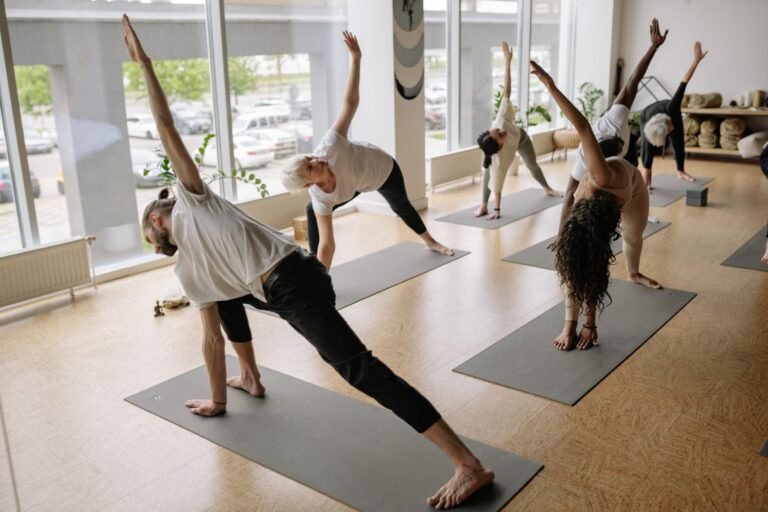
Learn foundational standing yoga poses with step-by-step instructions, alignment cues, and safety tips. From Mountain to Warrior III and Crescent…
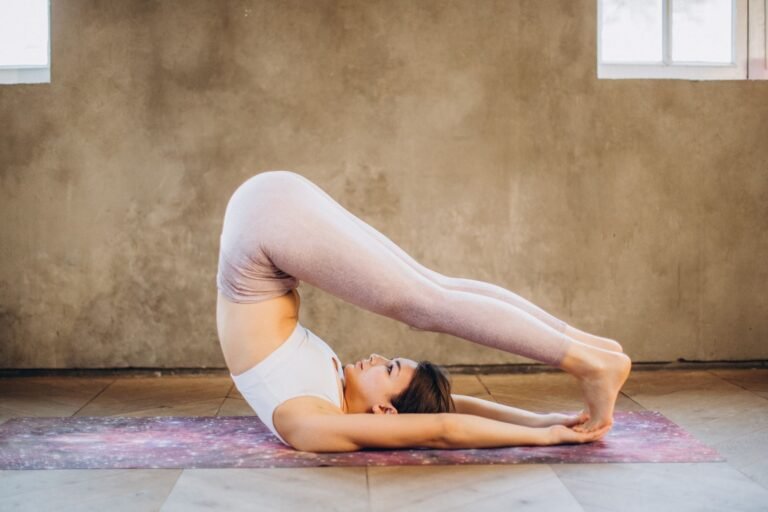
Learn safe forward bending poses: Paschimottanasana, Uttanasana, Janu Sirsasana, Prasarita Padottanasana and Child's Pose with alignment and spine…
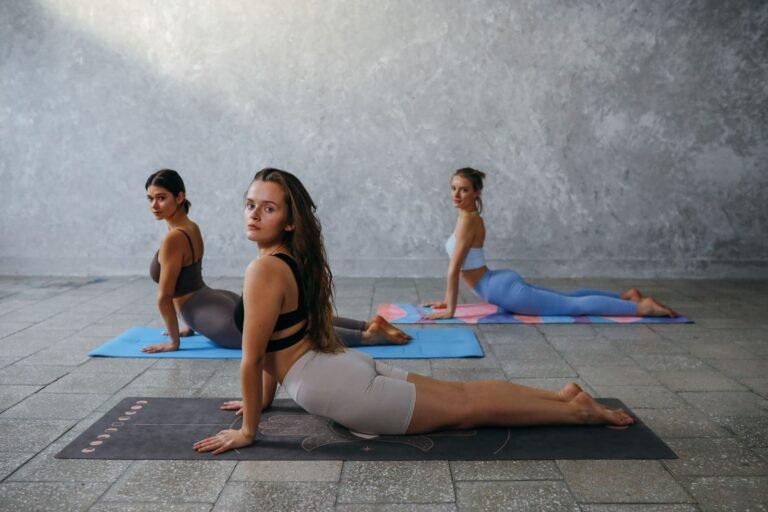
Learn cobra, sphinx, upward dog, bridge, camel, bow, and wheel pose with step-by-step instructions, safety tips, and counterposes.
New to Yoga?
Start with the basics and build a steady, safe practice
Our beginner guide covers your first class, practising at home and how to choose a style and teacher that suit you.