
Forms of Yoga: The Main Styles Explained
Yoga includes many distinct styles, each with its own pace, emphasis, and philosophy. This guide compares major forms and offers practical tips for choosing a practice that fits your goals and experience level.
- Home
- Forms of Yoga
Explore
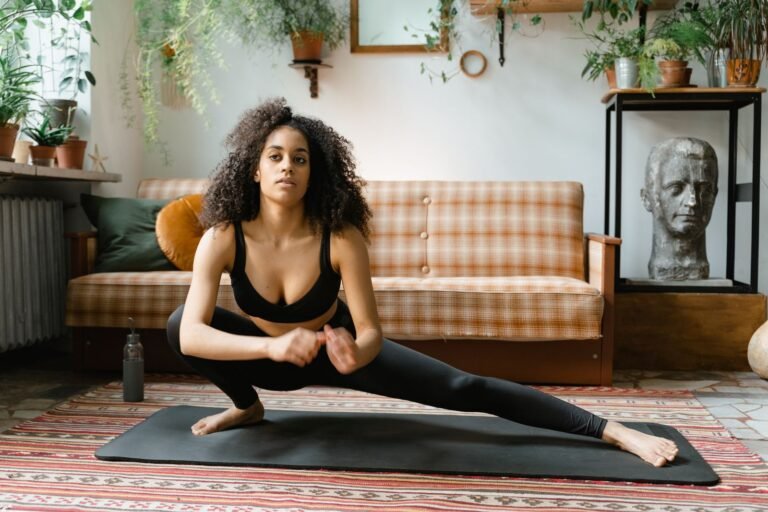
A gentle, slower-paced introduction to basic poses and alignment, ideal for beginners.
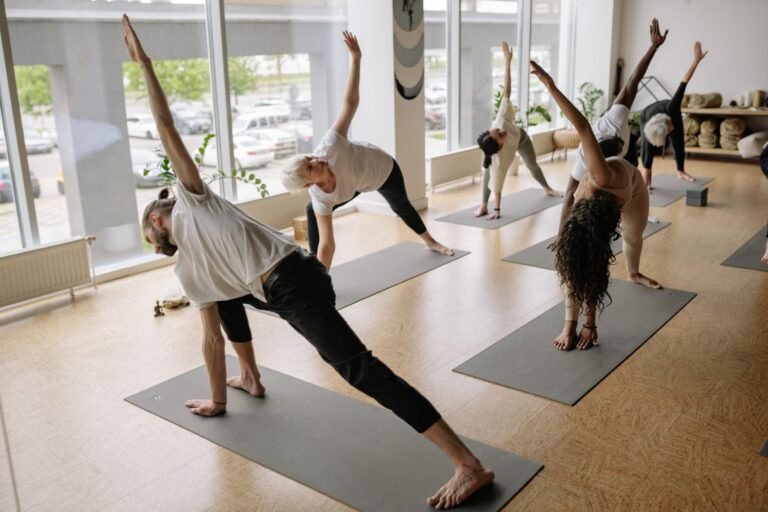
A vigorous, set-sequence practice linking breath with movement to build strength and stamina.
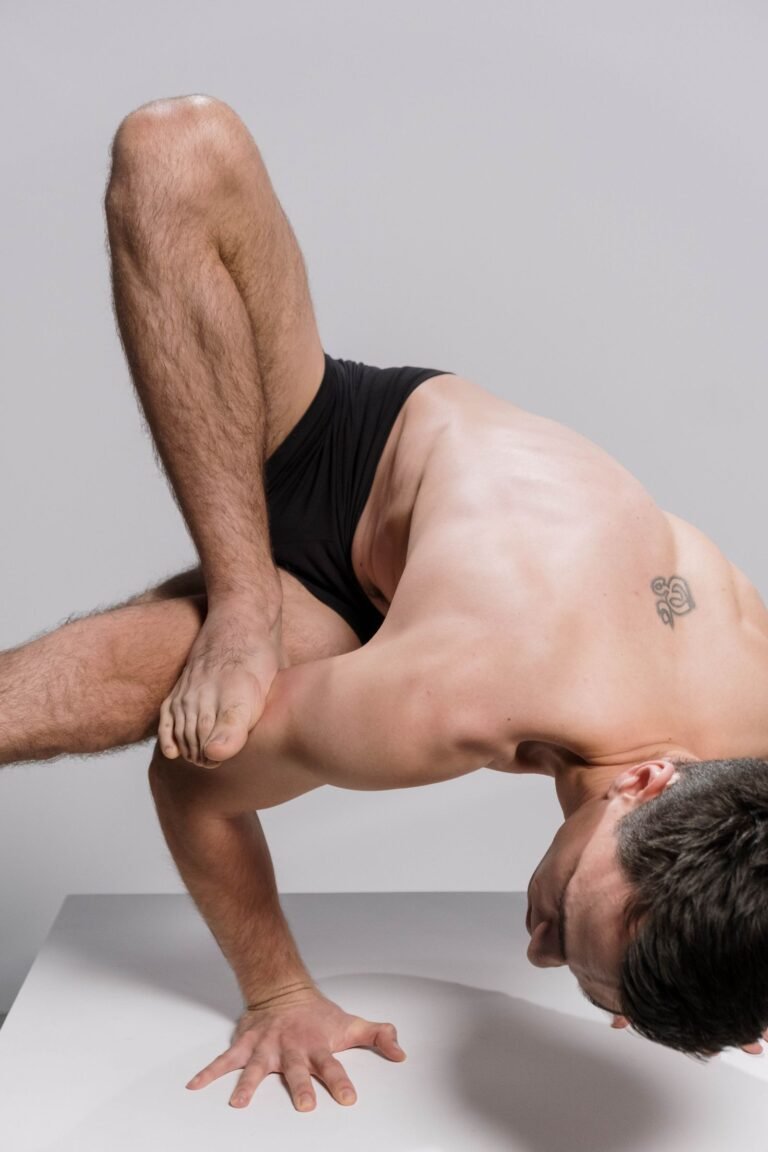
A meticulous style using props to refine alignment and make poses accessible.
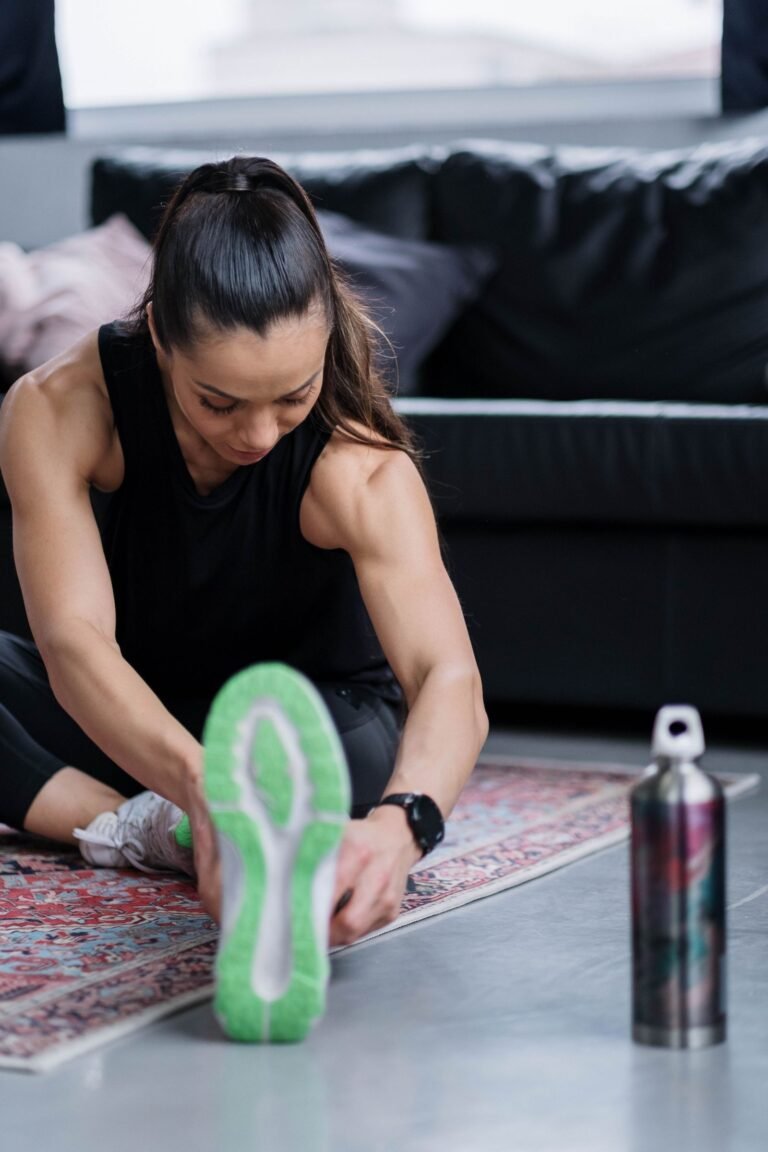
A fixed 26-pose series practiced in a heated room to warm muscles.

An overview of less common styles, from restorative to vinyasa, to broaden your practice.
Yoga is not one single practice but a family of traditions that share common roots in breath, movement, and mindfulness. The forms of yoga practiced in modern studios vary widely in pace, intensity, and emphasis.
What Are the Forms of Yoga?
Most physical yoga styles trace back to hatha yoga, a system of physical techniques designed to prepare the body for meditation. In contemporary settings, “forms of yoga” refers to distinct approaches to asana (posture) practice, breath control, and sequencing. Some forms hold poses for longer periods to develop alignment and awareness. Others link movement with breath in a flowing sequence to build heat and stamina.
Understanding these differences helps you select a practice that matches your fitness level, personality, and goals. While all forms share common foundations, each offers a unique entry point into the broader discipline of yoga.
Historical Context
Hatha yoga emerged in medieval India as a synthesis of earlier yogic and tantric practices. Its texts, such as the Hatha Yoga Pradipika, describe cleansing techniques, postures, and breath regulation. In the 20th century, teachers like T. Krishnamacharya and his students, including B.K.S. Iyengar, Pattabhi Jois, and Indra Devi, adapted these practices for modern audiences. Their work gave rise to many of the styles practiced today. You can read more about the historical development of hatha yoga on Wikipedia.
Major Styles Compared
Each style has a unique character. The table below summarizes five common forms of yoga.
| Style | Description | Best For |
|---|---|---|
| Hatha | Gentle and slower-paced, often one pose at a time with emphasis on alignment and breathing. | Beginners, stress relief, improving flexibility |
| Ashtanga | Vigorous, set sequence of postures linked by vinyasa (breath-synchronized movement). | Building strength and discipline, experienced practitioners |
| Iyengar | Precise alignment, longer holds, and extensive use of props such as blocks and straps. | Injury recovery under guidance, deep anatomical study |
| Bikram | Fixed sequence of 26 postures and two breathing exercises in a heated room. | Those seeking intense sweat and routine, with medical clearance |
| Other forms | Includes vinyasa, restorative, yin, kundalini, and more, each with specific methods. | Varied needs, from deep rest to energetic flow |
Style Profiles
Hatha
Hatha classes are typically slower and more methodical. You may hold each pose for several breaths while the teacher offers alignment cues. This makes hatha an excellent starting point for learning the basics of posture and breath awareness.
Ashtanga
Ashtanga follows a fixed series of postures performed in the same order each time. The practice is physically demanding and builds internal heat through continuous movement and specific breathing techniques. It suits students who enjoy structure and a strong physical challenge.
Iyengar
Iyengar yoga prioritizes precise alignment and often uses props such as blocks, blankets, and straps to help you achieve safe positioning. Poses are held longer, allowing for detailed observation and adjustment. This style is valuable for students who want to understand the mechanics of each asana.
Bikram
Bikram yoga consists of a set series of 26 postures and two breathing exercises practiced in a room heated to around 40 degrees Celsius (104 degrees Fahrenheit). The heat is intended to increase flexibility and promote sweating. Because of the high temperature, medical clearance is essential before starting.
Other Yoga Forms
Beyond these four, many other styles exist. Vinyasa links movement with breath in creative sequences. Restorative and yin yoga use supported, long-held poses to encourage deep relaxation. Kundalini incorporates mantra, breath, and dynamic movement. Exploring these can round out your understanding of yoga’s diversity.
How to Choose a Style
Choosing the right form depends on your goals, current fitness level, and any health considerations.
- If you are new to yoga, start with hatha or Iyengar to learn foundational alignment at a slower pace.
- If you want a vigorous workout, consider ashtanga or vinyasa, but build up gradually.
- If you enjoy heat and repetition, Bikram may appeal, but speak with a doctor first, especially if you have high blood pressure, heart concerns, or are pregnant.
- If you need deep rest, look into restorative or yin forms, which use supported poses held for longer periods.
A skilled instructor can help you modify poses and choose alternatives. Try a few different classes before settling into a regular practice.
Safety and Modifications
Yoga is generally accessible, but certain poses and styles carry risks. Avoid forcing the body into painful positions. If you have an injury, glaucoma, high or low blood pressure, or are pregnant, consult a qualified instructor and your healthcare provider before beginning. Inversions and heated classes require extra caution. Always inform your teacher about any conditions so they can suggest modifications.
Get Started with Foundational Poses
Once you have an overview of the forms, you can deepen your understanding by studying specific pose families. Explore foundational asanas, standing poses, forward bends, and backbends through the guides below.
Remember, the best form of yoga is the one you can practice consistently and safely. Listen to your body, seek guidance, and enjoy exploring the diversity of this ancient discipline.