
Yoga Retreats in Africa
From desert dunes to ocean shores, Africa offers a stunning backdrop for your yoga practice. This guide explores retreat styles, ideal seasons, regional highlights, and practical planning tips.
- Home
- Yoga Retreats Around the World
- Yoga Retreats in Africa
Why Choose Africa for a Yoga Retreat?
Africa is a continent of extraordinary diversity, with landscapes that range from the Sahara’s dunes to the beaches of the Indian Ocean, from mountain forests to savanna plains. For many practitioners, a yoga retreat here offers a chance to step away from daily routine and reconnect with nature, silence, and a slower rhythm. The settings are often expansive and unspoiled, which can deepen concentration and make your practice feel more alive.
Retreats in Africa tend to emphasize simplicity, outdoor practice, and a strong connection to the natural environment. You might find yourself practicing at sunrise on a wooden deck overlooking the ocean, or in a shaded pavilion with the sounds of birds and wildlife nearby. The continent’s rich cultural traditions also add a layer of meaning, whether you are learning about local crafts, sharing meals with a community, or simply observing daily life in a rural village.
Typical Retreat Styles
Africa offers a broad spectrum of yoga retreat styles. These are some of the most common formats you can expect:
- Safari and wildlife retreats: Yoga is paired with game drives, bush walks, and stays in or near national parks and reserves. Morning and evening practices often frame the safari activities.
- Beach and ocean retreats: Coastal locations on the Indian Ocean, Atlantic Ocean, and Red Sea are popular for sun, swimming, snorkeling, and restorative yoga. Think Zanzibar, Kenya’s coast, or Senegal.
- Desert and dune retreats: The Sahara in Morocco, Egypt, and Namibia provides dramatic stillness. Retreats here often include camel treks, stargazing, and meditation on the sand.
- Mountain and highland retreats: The Atlas Mountains, the Drakensberg, and the highlands of East Africa offer cooler temperatures, hiking, and panoramic views. These retreats may include more vigorous yoga and trekking.
- Community and culture-focused retreats: Some programs integrate visits to local villages, crafts, music, dance, and traditional restorative practices. These emphasize cultural exchange and mindful travel.
- Silent and meditation retreats: For a more inward experience, some centers offer extended silence, simple accommodation, and daily meditation alongside gentle yoga.
Best Seasons to Go
Africa is huge, and the best time for a yoga retreat depends on the region. In general, the dry seasons are most comfortable for outdoor practice and travel. Here is a quick overview:
| Region | Best Months | Climate Notes |
|---|---|---|
| North Africa (Morocco, Egypt) | March-May, September-November | Mild days, cool nights; summer can be very hot, winter chilly in deserts and mountains. |
| East Africa (Kenya, Tanzania, Uganda) | January-February, June-October | Dry seasons; coastal areas warm and humid, highlands cooler and drier. |
| Southern Africa (South Africa, Namibia, Botswana) | April-May, September-October; December-March for Cape beaches | Mild autumn and spring; winter nights cold in highlands, summer hot and rainy in some parts. |
| West Africa (Senegal, Ghana) | November-February | Dry, dusty harmattan winds; humid and rainy from May to October. |
| Indian Ocean islands (Zanzibar, Madagascar) | June-October, December-February | Dry and sunny; avoid the long rains from March to May. |
Always check local weather patterns for the specific area you are considering. Even within one country, altitude and proximity to the ocean can change conditions significantly.
Regions and Places Known for Retreats
These geographic regions are especially known for hosting yoga retreats. They are mentioned here as travel destinations, not as commercial centers.
Morocco
The Atlas Mountains, the Atlantic coast around Essaouira, and the Sahara desert near Merzouga or Zagora are all common locations. Retreats often combine yoga with hiking, surfing, or desert excursions. The architecture, food, and hammam traditions add a sensory richness to the experience.
Egypt
The Red Sea coast, particularly around Dahab and the Sinai Peninsula, has long been a budget-friendly destination for yoga, diving, and desert silence. The Nile Valley near Luxor and Aswan offers a more historical backdrop. Retreats here may include visits to ancient temples and quiet river felucca sails.
Kenya
The Indian Ocean coast near Diani Beach and Watamu, and the highlands around the Great Rift Valley, are popular. Safari-based retreats often operate near Amboseli, Tsavo, or the Maasai Mara, combining morning game drives with afternoon yoga. The cultural richness of Maasai and Swahili communities is often part of the experience.
Tanzania
Zanzibar is the standout destination, with its white sand beaches, turquoise water, and spice farms. Many retreats are located on the east or north coast of the island. The foothills of Mount Kilimanjaro and the Usambara Mountains also offer cooler retreat settings with lush vegetation.
South Africa
The Western Cape, from Cape Town to the Garden Route, is highly developed for wellness travel. Retreats here may be near the ocean, in the winelands, or in the semi-desert Karoo. The Drakensberg mountains in KwaZulu-Natal offer dramatic hiking and quiet valleys. The climate is Mediterranean in the Cape, making it a year-round destination in many areas.
Namibia
The Namib Desert, including Sossusvlei and the Skeleton Coast, is increasingly used for silent and star-gazing retreats. The vast open spaces and extremely low light pollution create a profound sense of solitude. Retreats here tend to be more minimalist and nature-focused.
West Africa
Senegal and Ghana have growing wellness scenes, particularly along the coast. Retreats here often integrate local drumming, dance, and community visits. The dry season from November to February is the most comfortable.
Budget Levels in General Terms
Yoga retreat prices in Africa span a wide range, influenced by location, accommodation type, included meals and activities, and season.
- Budget: Simple guesthouses, shared rooms, and camping-style retreats. Often self-catering or basic meals, fewer excursions. These can be found in backpacker-friendly areas like Dahab, Diani, and some Moroccan coastal towns.
- Mid-range: Comfortable lodges or small boutique hotels, private or shared rooms, all meals, and some included activities like a group safari, boat trip, or guided hike.
- Luxury: High-end safari lodges, private villas, or eco-resorts with spa facilities, gourmet meals, private or small group instruction, and exclusive wildlife or cultural experiences.
Because Africa is a large and varied continent, it is possible to find retreats that fit many budgets. Keep in mind that safari and island locations generally cost more due to logistics, park fees, and transport.
Travel and Visa Considerations
Visa requirements for Africa vary widely by country and your nationality. Always check with the embassy or official government website of each country you plan to visit at least two months before departure. Many countries offer e-visas or visa on arrival for certain passports, but rules can change.
Your passport should be valid for at least six months beyond your intended stay, and you may need proof of onward travel. Yellow fever vaccination is required for entry into some countries if you are arriving from a yellow fever endemic area. Other vaccinations, such as hepatitis A, typhoid, and routine boosters, are often recommended. Consult a travel health clinic six to eight weeks before your trip for personalized advice. For current health and safety information, refer to official sources such as the World Health Organization Travel Advice.
Travel insurance is strongly recommended, including coverage for medical evacuation, trip cancellation, and lost baggage. Some remote retreat locations may be far from medical facilities, so check the nearest hospital and how you would reach it in an emergency.
What to Check Before Booking
Before you reserve a spot on a yoga retreat in Africa, ask these important questions:
- Instructor qualifications and experience: Look for at least 200-hour certification from a recognized school and experience leading groups. For more advanced or specialized practices, confirm the teacher’s background.
- Group size and student-to-teacher ratio: Smaller groups often mean more personalized attention. Find out the maximum number of participants.
- Daily schedule and intensity: Understand how many hours of yoga are offered each day, whether it is active or restorative, and if there are free days. Some retreats include lengthy meditation sessions or silence periods.
- Accommodation and food: Ask about room types, shared or private bathrooms, dietary options, and whether meals are included. If you have allergies or restrictions, communicate them in advance.
- Included activities and hidden costs: Clarify what is included in the price: airport transfers, excursions, park fees, equipment, taxes. Ask about extra costs for massages, private sessions, or tips.
- Cancellation and refund policy: Understand the terms if you need to cancel or if the retreat is cancelled. Travel insurance can protect your deposit.
- Cultural and environmental practices: Look for retreats that respect local communities, employ local staff, use water and energy responsibly, and avoid exploitative wildlife interactions.
A Typical Day on an African Yoga Retreat
While schedules vary, many retreats follow a gentle rhythm designed to work with the climate and light. A day might look like this:
- 6:30 am: Herbal tea or fruit, followed by a 75-minute dynamic or gentle yoga session as the sun rises.
- 8:00 am: Breakfast with local fruits, grains, and eggs or plant-based options.
- 9:00 am: Excursion or free time, such as a game drive, beach walk, market visit, or rest.
- 1:00 pm: Lunch and rest during the hottest part of the day.
- 4:00 pm: Afternoon workshop, restorative yoga, or meditation.
- 6:30 pm: Dinner and evening circle, often with sharing, music, or stargazing.
Retreats in hot climates usually avoid intense physical activity during midday. Listen to your body and stay well hydrated.
How to Choose the Right Retreat for You
Start by identifying what you want from the experience. Are you looking for physical challenge, deep rest, cultural immersion, wildlife, or silence? Then match that intention with the climate and season of a region. If you dislike extreme heat, avoid desert retreats in summer. If you want ocean swimming, choose a coastal retreat in the dry season. Consider the level of yoga you practice, and be honest about your experience and any physical limitations. Always inform the teacher of injuries, pregnancy, high blood pressure, glaucoma, or other health conditions before you begin. If you have any medical concerns, consult a doctor or qualified yoga instructor before attending.
Related Articles and Resources
For more guidance on planning your practice and travel, explore these related pages on About Yoga:
Explore About Yoga
Keep Reading
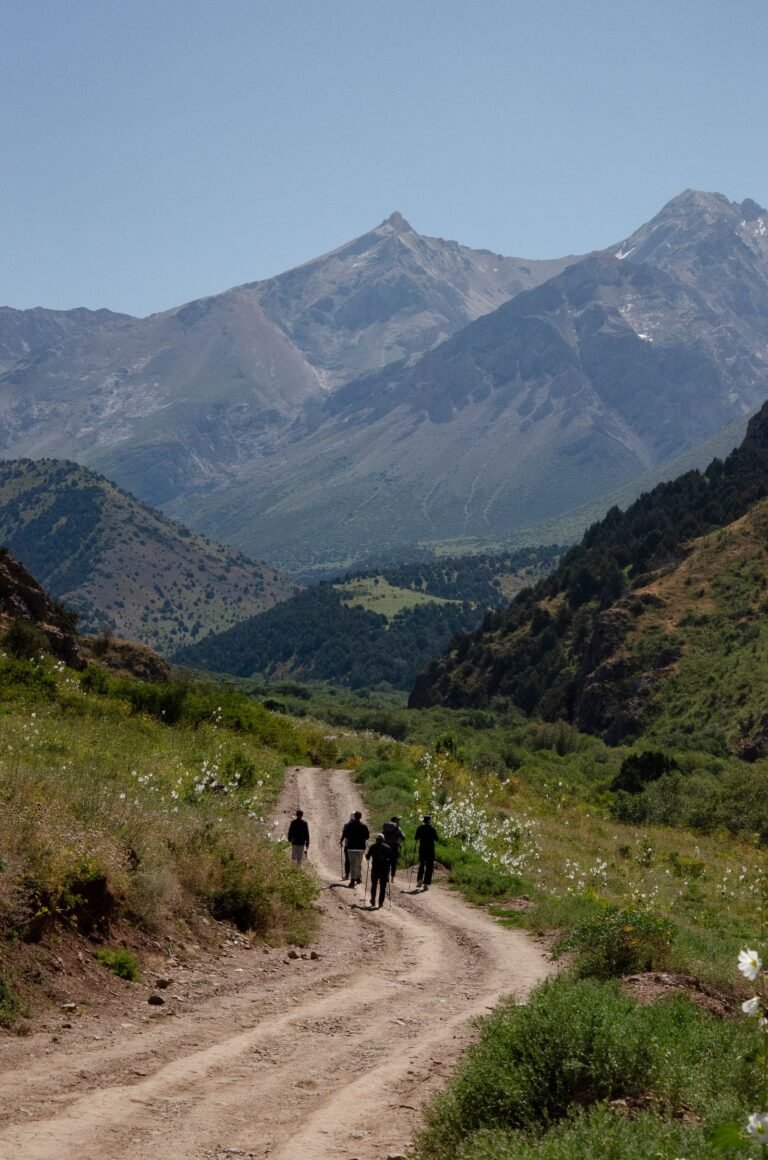
Explore European yoga retreats by region, season, budget, and style. Learn travel and visa considerations and what to check before booking.
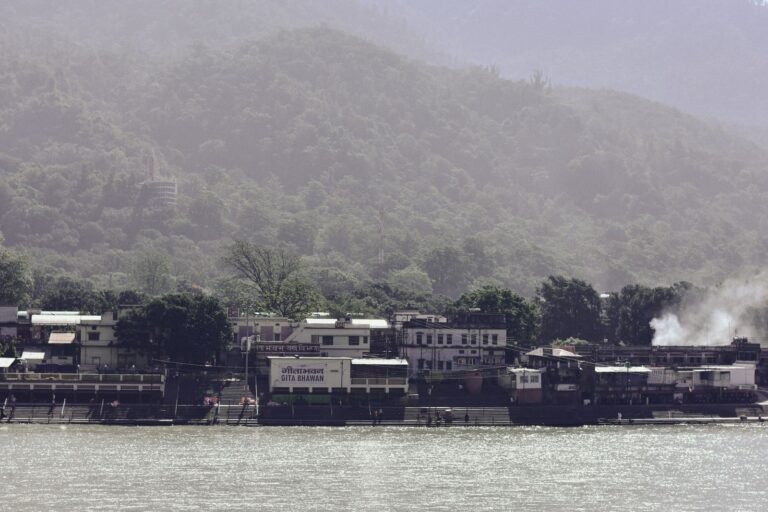
Discover the best regions, retreat styles, seasons, budgets, and travel tips for yoga retreats in India, from Rishikesh to Kerala.
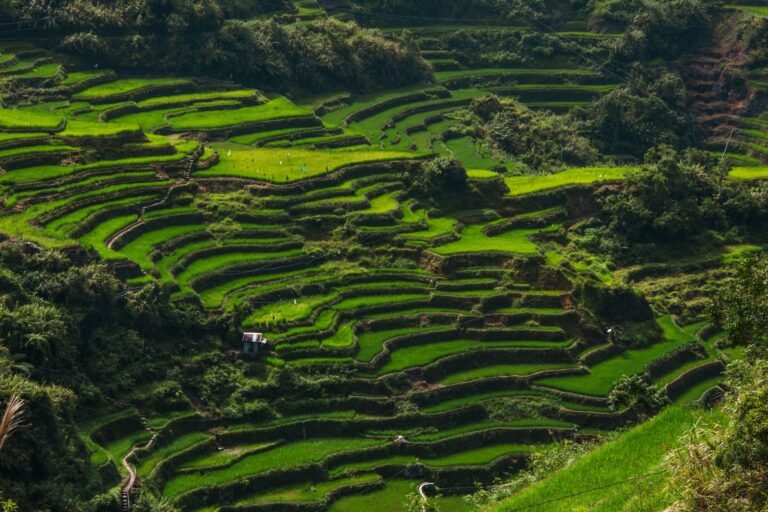
Discover the diverse world of yoga retreats across Asia. Explore styles, best seasons, regions, budgets, and travel tips to plan your journey.
New to Yoga?
Start with the basics and build a steady, safe practice
Our beginner guide covers your first class, practising at home and how to choose a style and teacher that suit you.