
Yoga Retreats in the USA
A region-by-region guide to yoga retreats across the United States, covering typical styles, best seasons, budget expectations, and key travel considerations.
- Home
- Yoga Retreats Around the World
- Yoga Retreats in the USA
The United States offers an extraordinary variety of yoga retreat settings, from sun-baked desert landscapes and Pacific coastal cliffs to lush mountain forests and tropical islands. Whether you are seeking a silent meditation immersion, an active hiking and yoga adventure, or a restorative wellness escape, the USA has a region and season to match nearly every preference. Because the country is so large, however, choosing the right retreat depends on careful attention to climate, geography, travel logistics, and the style of practice you hope to deepen.
Typical Retreat Styles in the USA
Most retreats in the USA blend daily yoga classes with meditation, pranayama, and free time. The overall style tends to be more eclectic than in traditional ashrams, drawing from Hatha, Vinyasa, Yin, Restorative, and sometimes Kundalini or Ashtanga lineages. The following broad categories can help you identify what to expect.
- Yoga and Meditation Retreats: These are the most common, often featuring two or more yoga sessions per day, guided meditation, and periods of silence. They may be secular or rooted in a specific spiritual tradition.
- Adventure Yoga Retreats: Popular in places like Colorado, Utah, and Hawaii, these combine daily asana practice with outdoor activities such as hiking, rock climbing, surfing, kayaking, or skiing, depending on the season.
- Wellness and Detox Retreats: Focused on restorative practices, nutrition, and spa therapies, these retreats often include gentle yoga, guided relaxation, and workshops on stress reduction or healthy living.
- Silent Retreats: Held in quiet rural settings, these emphasize prolonged meditation, mindful movement, and noble silence for part or all of the stay. They are suitable for experienced practitioners and those comfortable with introspection.
- Yoga Teacher Training Intensives: While not strictly retreats, many programs operate as immersive residential trainings. They require a higher level of commitment and are designed for students pursuing certification.
Best Seasons for a Yoga Retreat in the USA
Because the USA spans multiple climate zones, the ideal time for a retreat depends heavily on the region. Generally, spring and fall offer the most comfortable temperatures across much of the country, with lower humidity and fewer extreme weather events. Summer is excellent for mountain and coastal retreats but can be hot in the desert Southwest and humid in the Southeast. Winter works well for desert escapes, tropical Hawaii, and ski-adjacent retreats that incorporate snowy landscapes and cozy indoor practice spaces.
Consider these seasonal patterns by region:
| Region | Best Seasons | Notes |
|---|---|---|
| California (coastal and desert) | Spring, fall, winter for desert | Coastal fog in early summer; desert very hot May to September |
| Southwest (Arizona, Utah, New Mexico) | October to April | Summer temperatures often exceed 100 degrees Fahrenheit (38 degrees Celsius) |
| Rocky Mountains (Colorado, Montana, Wyoming) | June to September | High altitude; snow can linger into June; fall colors in late September |
| Northeast (New York, Massachusetts, Vermont, Maine) | May to October | Fall foliage is spectacular; winters are cold and snowy |
| Southeast (North Carolina, Florida, Georgia) | March to May, September to November | Humid and hot in summer; hurricane season June to November |
| Pacific Northwest (Oregon, Washington) | July to September | Rainy and cool other months; beautiful evergreen forests year-round |
| Hawaii | Year-round, but April to October driest | Tropical; winter brings more rain on windward sides |
Top Regions for Yoga Retreats in the USA
Each region of the country offers distinct landscapes and retreat cultures. The following geographic areas are widely known for hosting retreats, without naming any specific businesses or centers.
California
California is perhaps the most iconic yoga retreat destination in the USA, with a long history of spiritual and wellness movements. The state offers three main retreat environments: the sunny southern coast, the dramatic cliffs of Big Sur and central coast, and the high desert around Joshua Tree. Coastal retreats often emphasize ocean views, outdoor practice decks, and a relaxed, health-conscious culture. Desert retreats tend to be quieter, with stargazing, sound baths, and minimalist aesthetics. Expect a wide range from rustic to ultra-luxury.
Arizona and the Southwest
The red rock landscapes of Sedona and the Sonoran Desert around Tucson are renowned for their serene beauty and are frequently associated with energy vortex traditions. Retreats here often incorporate hiking among sandstone formations, Native American cultural elements (when offered respectfully by local communities), and restorative practices suited to the dry heat. Winter and early spring are the busiest seasons, and accommodations range from simple casitas to high-end resort-style properties.
Colorado and the Rocky Mountains
Mountain retreats in Colorado, Montana, and Wyoming focus on active yoga paired with outdoor adventure. Summer retreats feature alpine hiking, mountain biking, and wildflower meadows, while winter offerings may include snowshoeing, skiing, and cozy fireside meditation. The high altitude can affect breathing and energy levels, so it is wise to arrive a day or two early to acclimatize. Retreats here often have a rustic-elegant feel, with log cabins, hot tubs, and panoramic views.
Hawaii
Hawaii’s islands, especially the Big Island, Maui, and Kauai, host retreats that blend yoga with ocean activities, rainforest exploration, and Hawaiian cultural practices such as oli (chant) and ho’oponopono. The tropical climate allows year-round retreats, though the driest months are generally April through October. Retreat styles range from eco-lodges and off-grid yurts to full-service wellness resorts. Expect a focus on connection with nature, breathwork, and community.
Northeast: Berkshire Mountains, Hudson Valley, and Maine
The northeastern USA offers a classic retreat experience in rolling hills, dense forests, and historic farmhouses. The Berkshires in Massachusetts, the Hudson Valley in New York, and coastal or lake regions of Maine are popular for their four-season beauty. Fall retreats coincide with spectacular foliage, while summer retreats take advantage of lakes and hiking trails. Winter retreats are quieter and often emphasize introspective practice, candlelit yoga, and warm nourishing meals. Accommodations tend to be converted barns, Victorian houses, and small inns.
Southeast: Blue Ridge Mountains and Florida
The Blue Ridge Mountains of North Carolina and Georgia offer a temperate, forested retreat setting with waterfalls, rhododendron blooms, and Appalachian trails. Florida retreats, especially along the Gulf Coast and around the Everglades, lean more toward beach and tropical wellness. The Southeast is generally more affordable than the West Coast or Hawaii, and many retreats here emphasize down-to-earth community and accessible pricing.
Pacific Northwest
Oregon and Washington are known for lush evergreen forests, volcanic peaks, and a strong culture of mindfulness and sustainability. Retreats in this region often integrate forest bathing, hot springs, and eco-conscious living. The best weather is July through September, but the misty months have their own contemplative appeal. Expect a creative, bohemian atmosphere and a focus on environmental stewardship.
Budget Levels in General Terms
Yoga retreat pricing in the USA varies widely by region, season, accommodation type, and included amenities. As a general guide, retreats can be grouped into three broad tiers, though exact costs are not listed here because they change frequently and depend on length and location.
- Budget-friendly: Often use shared dormitory rooms, campsites, or simple cabins. Meals may be vegetarian and communal. Programming is still comprehensive but may have fewer optional activities or spa services.
- Mid-range: Usually offer private or semi-private rooms in comfortable lodges or retreat centers. Two to three meals per day are included, along with yoga classes, workshops, and sometimes one or two excursions or practices.
- Luxury: Feature upscale accommodations such as private villas, boutique hotels, or high-end resorts. Expect gourmet meals, spa practices, personalized attention, and premium locations. These retreats often book up months in advance.
In addition to the retreat fee, budget for travel to and from the venue, airport transfers, gratuities, travel insurance, and any extra nights before or after the program.
Travel and Visa Considerations
For domestic travelers, getting to a yoga retreat in the USA usually involves a flight to a major airport followed by a shuttle or rental car. Many retreat centers are in rural or mountainous areas, so confirm whether the retreat includes pickup or if you need to arrange transportation. Cell service and ride-sharing may be limited in remote regions.
International visitors should check entry requirements well in advance. Citizens of many countries can travel to the USA for tourism under the Visa Waiver Program (VWP), which requires a valid Electronic System for Travel Authorization (ESTA) approval. Others must apply for a B-2 visitor visa at a U.S. embassy or consulate. Always consult the U.S. Department of State tourism and visit visa page for current rules, as they can change. Ensure your passport is valid for at least six months beyond your planned stay, and keep documents readily available at the port of entry.
What to Check Before Booking
A little due diligence goes a long way in ensuring a safe and suitable retreat experience. Consider these points before committing:
- Teacher qualifications: Ask about the lead instructor’s training, experience, and teaching style. A reputable retreat should be transparent about who will be guiding the sessions.
- Daily schedule: Confirm the balance between structured practice and free time. Some retreats are highly scheduled, while others leave ample space for rest and exploration.
- Accommodation and meals: Check room types, bathroom arrangements, and dietary options. If you have allergies or specific needs, communicate them in advance.
- Accessibility and physical requirements: Inquire about stairs, uneven terrain, and whether the venue is suitable for mobility aids. Yoga classes should offer modifications, but the overall setting may not be fully accessible.
- Safety and health policies: Ask about first aid resources, proximity to medical facilities, and any health screening requirements. If you have a medical condition, injury, or are pregnant, consult your healthcare provider and inform the retreat staff before booking.
- Cancellation and refund policy: Because retreats are often booked months ahead, understand what happens if you need to cancel or if the event is postponed.
- Included activities and extras: Clarify whether excursions, spa practices, or airport transfers are included or cost extra.
If you have high blood pressure, glaucoma, or neck problems, be cautious with inversions and strong backbends. Always work with a qualified instructor and inform them of any health conditions. Pregnant practitioners should seek prenatal-specific guidance.
Planning Your USA Yoga Retreat
Once you have narrowed down your region and preferred season, consider booking your retreat several months in advance, especially for popular summer dates in the mountains or winter dates in the desert. Travel insurance that covers trip cancellation and medical emergencies is highly recommended, as many retreat deposits are non-refundable. Finally, approach the retreat with an open mind and a willingness to adapt, as the experience often becomes more about the inner journey than the exact itinerary.
Related Resources on About Yoga
For more guidance on choosing and preparing for a yoga retreat, explore our yoga retreats overview. To deepen your asana practice before or after your retreat, browse our comprehensive library of yoga asanas. If you are working on foundational alignment, check out our guide to standing poses and our forward bending poses.
Explore About Yoga
Keep Reading
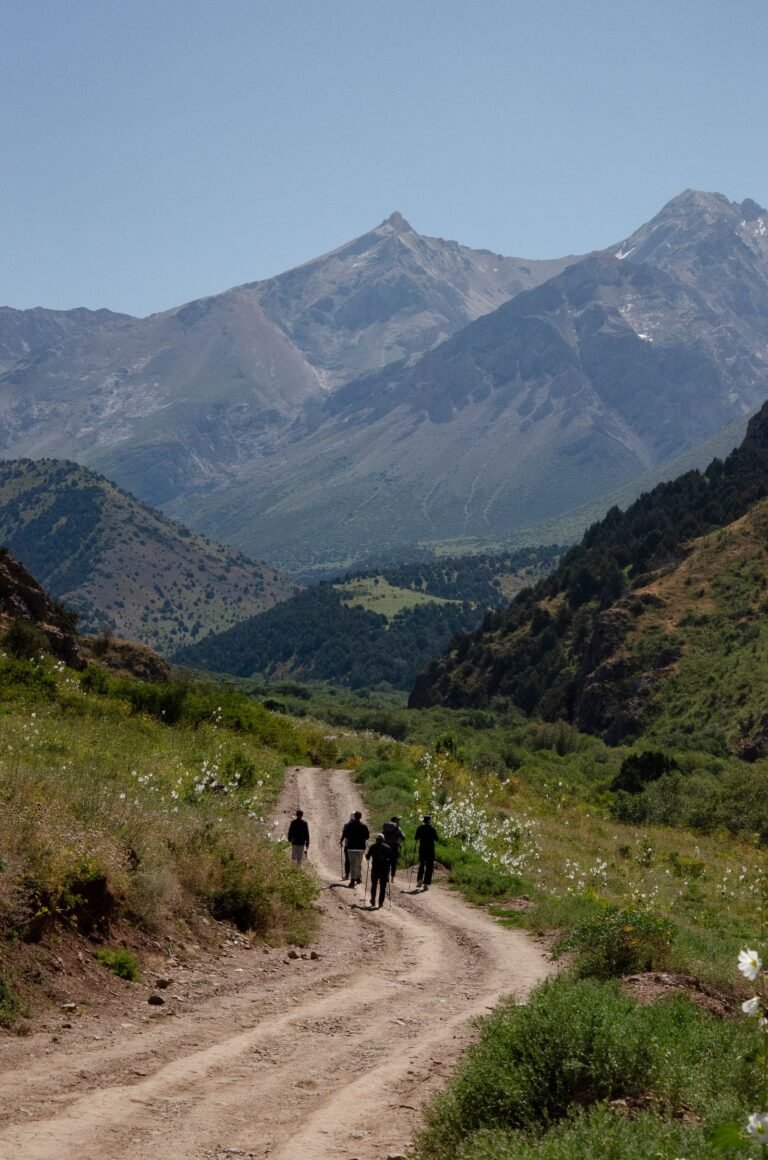
Explore European yoga retreats by region, season, budget, and style. Learn travel and visa considerations and what to check before booking.

Discover the best regions, retreat styles, seasons, budgets, and travel tips for yoga retreats in India, from Rishikesh to Kerala.
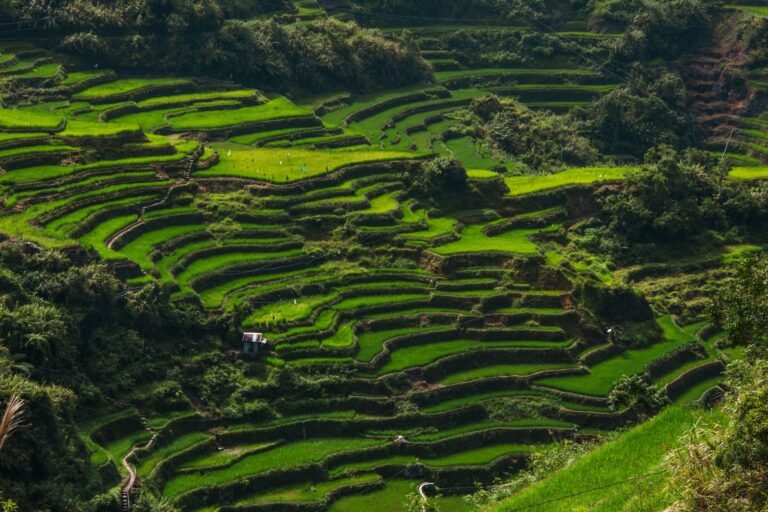
Discover the diverse world of yoga retreats across Asia. Explore styles, best seasons, regions, budgets, and travel tips to plan your journey.
New to Yoga?
Start with the basics and build a steady, safe practice
Our beginner guide covers your first class, practising at home and how to choose a style and teacher that suit you.