
Seated and Twisting Yoga Poses
Explore five foundational seated and twisting yoga poses. This guide covers step-by-step instructions, alignment, common mistakes, modifications and safety cautions for a balanced spine and healthy hips.
- Home
- Yoga Asanas
- Seated and Twisting Yoga Poses
Why Seated and Twisting Poses Matter
Seated yoga poses ground the body and mind. Twisting poses rotate the spine and gently massage the abdominal organs. Together they create a balanced practice that improves posture, hip mobility and spinal health.
In traditional yoga, seated postures are used for meditation and breath work. Twists are often practiced after forward bends and before inversions to prepare the spine for deeper work. This guide explores five classic poses: Easy Pose, Lotus Pose, Bound Angle Pose, Seated Twist (Ardha Matsyendrasana) and Marichyasana.
Summary Table of Seated and Twisting Poses
| Pose Name | Sanskrit Name | Level | Primary Focus |
|---|---|---|---|
| Easy Pose | Sukhasana | Beginner | Grounding, posture, gentle hip opening |
| Lotus Pose | Padmasana | Advanced | Deep hip mobility, seated stability |
| Bound Angle Pose | Baddha Konasana | Beginner | Inner thighs, groins, knees |
| Seated Twist | Ardha Matsyendrasana | Intermediate | Spinal rotation, digestion support |
| Marichyasana | Marichyasana (Sage Marichi Twist) | Intermediate | Spinal twist, shoulder and hip opening |
Easy Pose (Sukhasana)
Easy Pose is the classic cross-legged sitting position used for meditation and breathing practices. It is accessible for most people and is often the first seated posture students learn.
- Sit on a folded blanket or cushion so your hips are higher than your knees.
- Cross your shins and slide each foot beneath the opposite knee. Your knees should point out to the sides.
- Let your heels rest near your pelvis. Do not force them too close.
- Place your hands on your knees or in your lap, palms up or down.
- Lengthen your spine by lifting the crown of your head toward the ceiling.
- Soften your shoulders away from your ears and relax your face and jaw.
- Stay for 1 to 5 minutes, breathing evenly. Change the cross of your legs when you repeat.
Alignment cues: Keep your pelvis neutral and your weight balanced on both sitting bones. The natural lumbar curve should remain, not tuck under or overarch. Gaze softly forward or close your eyes.
Common mistakes: Slumping the lower back, hiking the shoulders, or forcing the knees down. If your knees are higher than your hips, sit on more height.
Modifications and props: Place a block or blanket under each knee for support. Sit against a wall if your back tires. For tighter hips, try Seated Staff Pose or sit on a chair with legs crossed.
Cautions: Avoid Easy Pose if you have acute knee or hip pain. If you feel tingling or numbness in the legs, come out and extend the legs. Always sit on height to protect the knees.
Lotus Pose (Padmasana) and Knee Cautions
Lotus Pose is a traditional seated posture for meditation. The Sanskrit name Padmasana means ‘lotus seat’ (see Padmasana on Wikipedia). Lotus requires significant external rotation of the hip joints. It is considered an advanced pose and should not be forced.
- Sit on a folded blanket with legs extended forward.
- Bend your right knee and cradle the right shin in both hands. Gently rotate the thigh outward from the hip.
- Place the right foot on the left thigh crease, close to the hip. The sole of the foot should face upward.
- Bend the left knee and rotate the left leg outward. Place the left foot on the right thigh crease.
- Rest your hands on your knees, palms up or down, or in a mudra of your choice.
- Lengthen the spine, relax the shoulders and breathe slowly.
- To come out, uncross the legs one at a time and extend them forward.
Alignment cues: Both knees should be as close to the floor as possible without strain. The feet should press into the opposite thighs, not the shins. Keep the pelvis neutral and the chest lifted.
Common mistakes: Forcing the feet into position using the hands, which stresses the knees. Rolling onto the outer edges of the feet, which can sprain the ankles. Rounding the lower back.
Modifications and props: Practice Half Lotus first by placing only one foot on the opposite thigh and the other foot under the opposite knee. Use a cushion under the sitting bones. If full Lotus is not available, stay with Easy Pose or Bound Angle Pose.
Knee cautions: The knee joint is a hinge. It is not designed to twist. All rotation in Lotus must come from the hip. If you feel any sharp pain, pinching or pressure in the knees, stop immediately. Never push the knees down with your hands. People with knee injuries, meniscus tears or unstable hips should avoid full Lotus. Consult a qualified yoga instructor before attempting Lotus if you have any knee concerns.
Bound Angle Pose (Baddha Konasana)
Bound Angle Pose opens the inner thighs, groins and hips. It is a gentle seated posture that also strengthens the back when the spine is held upright.
- Sit on a folded blanket or cushion with legs extended.
- Bend your knees and bring the soles of your feet together.
- Let your knees fall out to the sides. If they are high, sit on more height.
- Hold your feet or ankles with both hands.
- Press the outer edges of your feet together and open them like a book.
- Lengthen your spine. Gently draw your shoulders back and down.
- Stay for 1 to 3 minutes, breathing into the hips. To release, extend your legs forward and shake them gently.
Alignment cues: Keep the sitting bones evenly grounded. Lift the chest without overarching the lower back. Do not force the knees toward the floor; let them release naturally.
Common mistakes: Rounding the spine to bring the feet closer. Pushing the knees down with the hands or elbows. Tucking the pelvis under.
Modifications and props: Place yoga blocks or folded blankets under each knee for support. Sit with your back against a wall. For a forward bending variation, hinge from the hips without rounding the spine, but only if your knees and groins allow it.
Cautions: Avoid this pose if you have a recent groin injury or acute knee pain. If you have tight hips, do not force the knees down. Use props and keep the feet farther from the pelvis.
Seated Twist: Ardha Matsyendrasana
Ardha Matsyendrasana, or Half Lord of the Fishes Pose, is a deep seated spinal twist. It improves spinal rotation and may aid digestion through gentle compression and release of the abdominal organs. It is named after the sage Matsyendra.
- Sit on a folded blanket with legs extended.
- Bend your right knee and place the right foot on the floor outside your left thigh. The right knee points toward the ceiling.
- Bend your left knee and bring the left heel toward your right sitting bone. Keep the left foot near the right hip.
- Inhale and lengthen your spine. Exhale and rotate your torso to the right.
- Place your left elbow on the outside of your right knee, or hug the right knee with your left arm.
- Place your right hand on the floor behind your sacrum for support.
- Turn your head to look over your right shoulder, or keep it neutral if your neck is sensitive.
- With each inhale, lengthen the spine. With each exhale, twist a little deeper without force.
- Stay for 5 to 10 breaths. Release on an exhale and repeat on the other side.
Alignment cues: Keep both sitting bones grounded or use a blanket under the hips. Twist from the navel, not the neck. The spine should stay long, not rounded. The left foot stays active and the left knee may lift slightly; that is fine.
Common mistakes: Rounding the spine to twist deeper. Cranking the neck. Letting the right knee collapse inward. Using arm strength to force the twist.
Modifications and props: If the left foot under the hip is too intense, keep the left leg extended. Sit on a blanket to help the spine stay tall. Use a strap around the right knee if the left arm cannot reach. For a gentler option, practice the supine twist or a simple cross-legged twist.
Cautions: Avoid deep twists if you have a herniated disc, spinal stenosis or recent abdominal surgery. Pregnant people should avoid deep twists or twist only with an experienced prenatal instructor. If you have high blood pressure or glaucoma, avoid holding the twist with excessive strain. Always twist gently and stop if you feel sharp pain.
Marichyasana (Sage Marichi Twist)
Marichyasana is a seated twist named after the sage Marichi. It combines a hip opening position with a spinal rotation. There are several variations; this guide describes Marichyasana III, a common twisting variation.
- Sit with legs extended forward.
- Bend your right knee and place the right foot on the floor close to the right sitting bone. The knee points up.
- Keep the left leg extended and active, toes pointing up.
- Inhale and reach your left arm up. Exhale and twist to the right.
- Bring your left elbow to the outside of your right knee, or wrap the left arm around the bent knee.
- Place your right hand on the floor behind your sacrum.
- Rotate your chest to the right without collapsing the left leg or rounding too much.
- Stay for 5 to 8 breaths. Release and repeat on the other side.
Alignment cues: Keep the extended leg thigh pressing down and the foot flexed. The bent knee should point straight up; do not let it fall inward. Twist from the waist and keep the collarbones broad.
Common mistakes: Letting the extended leg rotate outward. Rounding the spine. Forcing the twist from the shoulder. Uneven weight on the sitting bones.
Modifications and props: Sit on a blanket to elevate the hips. Use a strap around the extended foot if the hamstrings are tight. For less intensity, keep the bent leg foot farther from the sitting bone or use a block under the hand behind you.
Cautions: Same as Ardha Matsyendrasana. Avoid if you have acute lower back or neck issues. Do not force the twist. Pregnant people should take a wide twist or avoid this pose in the second and third trimesters.
Understanding Spine and Twists
The spine is designed to flex, extend, bend sideways and rotate. Twisting poses help maintain spinal rotation range of motion. They also gently stretch the muscles between the ribs and along the spine. In yoga philosophy, twists are said to ‘wring out’ tension and stimulate the digestive fire.
To twist safely, always lengthen the spine before rotating. Imagine the crown of the head lifting away from the tailbone. Then rotate from the core, not the shoulders. Keep the pelvis stable unless the pose instructs otherwise. Do not hold the breath; let the breath initiate each incremental twist.
Twists are often sequenced after forward bends and before backbends. They can also be used as a counterpose after deep backbends to release the spinal muscles. A short twisting practice of 5 to 10 minutes can be done daily, but avoid twisting on a full stomach. Wait at least two hours after a heavy meal.
Safety Notes and When to Be Careful
Yoga is generally safe, but seated and twisting poses require awareness, especially for the knees and spine. Keep these safety guidelines in mind:
- If you have knee pain, meniscus injuries or recent knee surgery, avoid deep hip openers like Lotus. Use props, keep the knees bent and never force the legs into a position.
- For herniated discs, spinal stenosis or acute back pain, avoid deep twists or consult a doctor or qualified yoga therapist before practicing.
- During pregnancy, avoid deep twists, especially in the second and third trimesters. Twist only with the guidance of a prenatal yoga teacher.
- If you have high blood pressure or glaucoma, avoid holding twists with excessive force. Keep the breath smooth and do not strain.
- Always warm up before twisting. A few gentle cat-cow or pelvic tilts prepare the spine.
- Never bounce in a pose. Move slowly and stop if you feel sharp or electric pain.
- Work with a qualified yoga instructor if you are new to these poses or have any health concerns. This article is for educational purposes and does not replace professional medical advice.
Related Poses and Articles
Continue your practice with these related resources from about-yoga.com:
Keep Reading
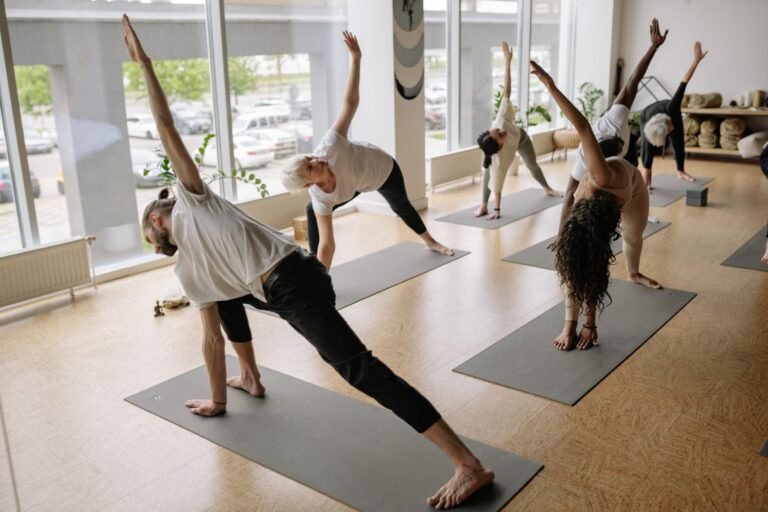
Learn foundational standing yoga poses with step-by-step instructions, alignment cues, and safety tips. From Mountain to Warrior III and Crescent…
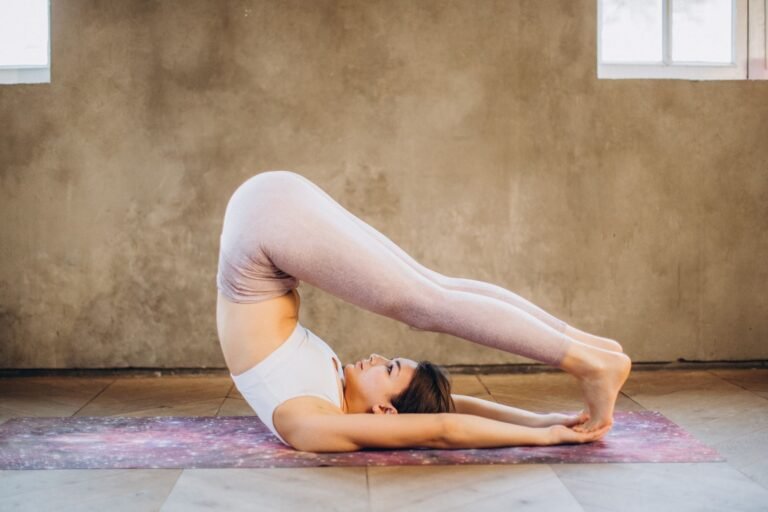
Learn safe forward bending poses: Paschimottanasana, Uttanasana, Janu Sirsasana, Prasarita Padottanasana and Child's Pose with alignment and spine…
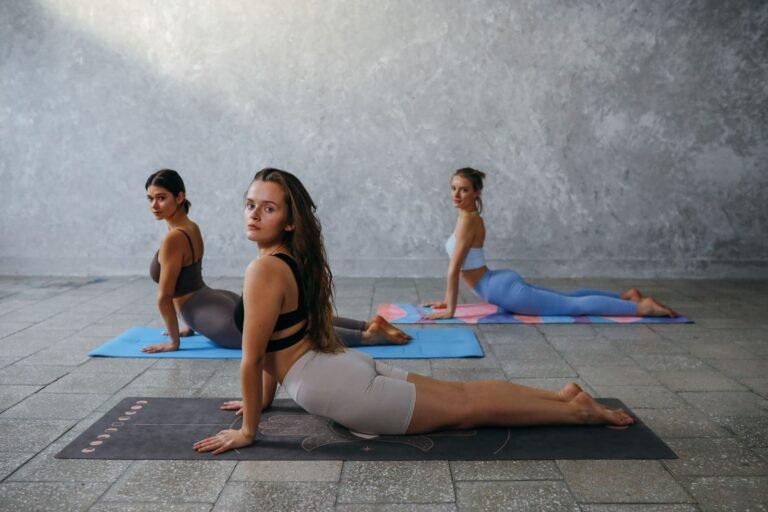
Learn cobra, sphinx, upward dog, bridge, camel, bow, and wheel pose with step-by-step instructions, safety tips, and counterposes.
New to Yoga?
Start with the basics and build a steady, safe practice
Our beginner guide covers your first class, practising at home and how to choose a style and teacher that suit you.