
Getting Started with Yoga
Begin your yoga journey with confidence. This hub covers your first class, home practice essentials, how to choose a studio or teacher, and key safety guidelines for a sustainable practice.
- Home
- Getting Started with Yoga
Explore
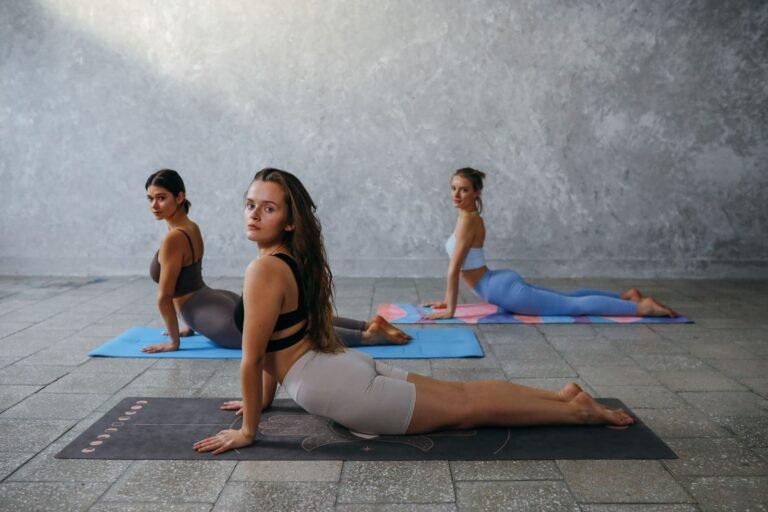
Learn the unwritten rules of studio and class behavior so you can feel comfortable from your first visit.

Get clear answers to the most common beginner questions about yoga practice, safety, and philosophy.
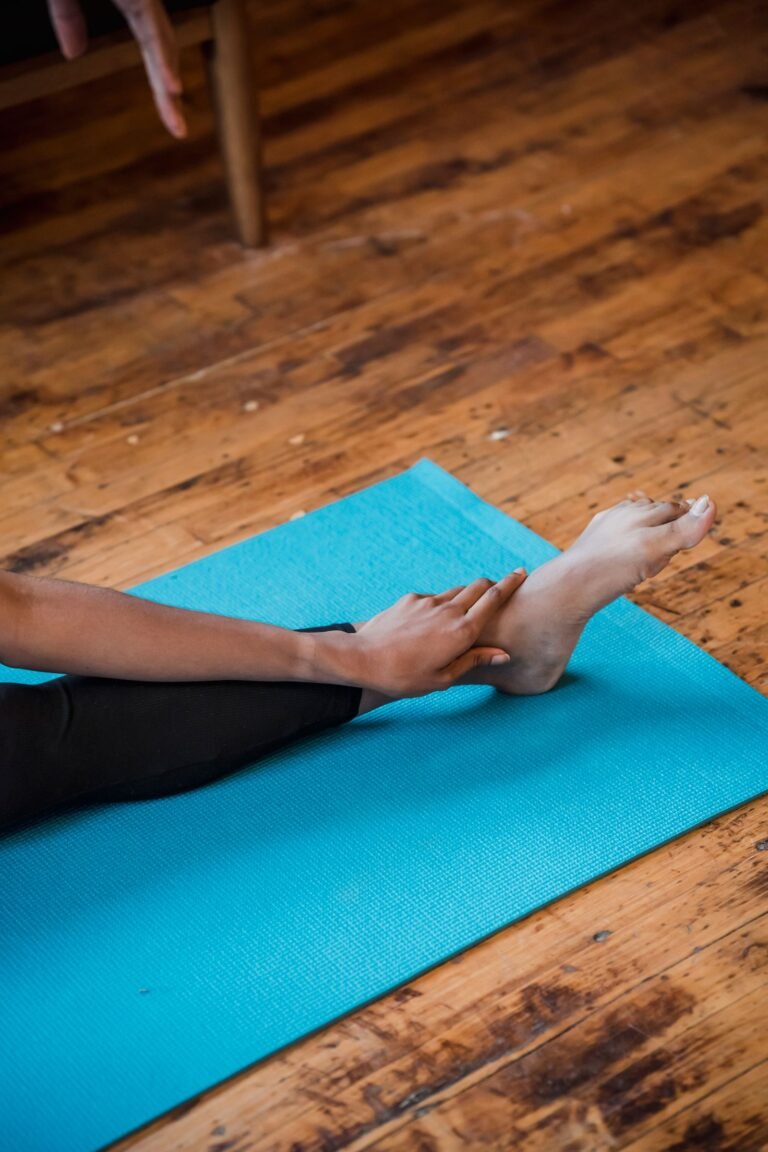
Discover which props and clothing are helpful, optional, or unnecessary for starting a yoga practice.
Starting a yoga practice is a meaningful step toward building strength, flexibility, and mental clarity. Yoga combines physical postures, breathing techniques, and meditation, and it is accessible to people of all ages and fitness levels. This hub guides you through the essentials: what to expect in your first class, how to begin a home practice, how to choose a studio or teacher, and key safety considerations to keep you practicing for years to come.
Yoga’s Roots and Modern Practice
Yoga originated in ancient India as a comprehensive system for physical, mental, and spiritual well-being. Classical texts such as the Yoga Sutras describe eight limbs of yoga, including ethical guidelines, posture, breath control, and meditation. Today, most Western classes focus on the physical postures (asanas) and breathing practices (pranayama), but the broader tradition includes mindfulness, self-study, and non-harming. Understanding this context can deepen your practice and help you appreciate yoga as more than a workout.
What to Expect in Your First Yoga Class
Your first yoga class may feel unfamiliar, but knowing the basic format helps. Most beginner classes begin with a short centering or breathing exercise, move through a series of standing, seated, and reclining poses, and end with a relaxation pose called Savasana. A typical class lasts 60 to 75 minutes.
You do not need to be flexible or strong to start. Props such as blocks, straps, blankets, and bolsters are often provided and can make poses more accessible. Wear comfortable clothing that allows movement, and avoid eating a heavy meal within two hours before class.
- Arrive a few minutes early to meet the teacher and share any injuries or concerns.
- Choose a spot where you can see and hear the instructor clearly.
- Move at your own pace and rest in a comfortable position whenever you need to.
Starting a Home Practice
A home practice gives you freedom to move on your own schedule. It does not need to be long or elaborate. Even 10 to 15 minutes of gentle movement and breathing can build consistency. Begin with a clear space, a yoga mat or non-slip surface, and a few props if you have them.
Follow these steps to create a simple routine:
- Set a regular time, such as early morning or before bed, to build the habit.
- Warm up with gentle joint rotations or cat-cow movements.
- Practice a few foundational poses, such as Downward Facing Dog, Mountain Pose, Child’s Pose, and a standing balance.
- End with a few minutes of deep breathing or lying quietly in Savasana.
You can follow guided online videos or use a sequence from a beginner-focused book, but avoid pushing into pain. Consistency matters more than intensity.
Choosing a Studio or Teacher
The right teacher can make a significant difference for a beginner. Look for a teacher who offers clear verbal cues, demonstrates modifications, and respects individual limits. Many studios offer beginner or basics classes, which are ideal for learning alignment and building confidence.
When evaluating a studio, consider these factors:
- Class style: Hatha, gentle, restorative, or beginner Vinyasa are often suitable starting points.
- Class size: Smaller classes allow more individual attention.
- Facilities and cleanliness: A clean, well-ventilated space with props available is important.
- Trial options: Many studios offer introductory passes or drop-in rates so you can try a few classes before committing.
- Teacher training and experience: Ask about the teacher’s background and whether they have experience with beginners or specific conditions.
Trust your instincts. A good teacher encourages questions and never pressures you into a pose that feels unsafe.
Safety Guidelines for Beginners
Yoga is generally safe for most people, but certain precautions help prevent injury. The National Center for Complementary and Integrative Health notes that yoga is a mind and body practice with many styles, and that it is important to learn from a qualified instructor, especially if you have health concerns.
- Consult a healthcare provider before starting yoga if you have a medical condition, are pregnant, or have a recent injury.
- Avoid inversions or strenuous breath retention if you have uncontrolled high blood pressure, glaucoma, or a history of stroke.
- During pregnancy, avoid deep twists, strong backbends, and lying flat on your back after the first trimester unless you have guidance from a prenatal yoga teacher.
- Never force a pose. A sensation of stretching is fine; sharp or joint pain is not.
- Tell your teacher about any injuries, surgeries, or limitations before class so they can offer modifications.
Explore Related Poses and Practices
Once you are comfortable with the basics, you may want to expand your knowledge. Our asanas overview explains pose families and their benefits. For a solid foundation, review standing pose guide, which includes Mountain Pose and Warrior variations. If you enjoy forward bends, visit our forward bending poses section. For back strengthening and spinal flexibility, explore backbends.