
Yoga Retreats in the South Pacific
The South Pacific is a dream destination for yoga retreats, offering pristine beaches, warm waters, and a relaxed island pace. This guide explores retreat styles, best seasons, key regions, budgets, and essential travel tips.
- Home
- Yoga Retreats Around the World
- Yoga Retreats in the South Pacific
The South Pacific conjures images of turquoise lagoons, swaying palms, and gentle trade winds. For yoga practitioners, this vast region offers a rare opportunity to deepen your practice in settings that feel both remote and nurturing. Whether you seek a simple beachfront shala or an eco-luxury wellness resort, the islands provide a backdrop that naturally encourages mindfulness, breath awareness, and a slower rhythm of life.
Why Choose a Yoga Retreat in the South Pacific
Yoga retreats in this region often emphasize connection to nature, community, and simplicity. Many retreat centers are located directly on beaches or nestled in lush tropical gardens, allowing you to practice with the sound of waves or birdsong. The warm climate supports outdoor practice year-round in most islands, and the surrounding ocean offers opportunities for swimming, snorkeling, kayaking, and other gentle activities that complement a yoga practice.
Beyond the physical practice, the South Pacific’s cultural traditions of hospitality and respect for nature can enrich your retreat experience. Many retreats incorporate elements of local culture, such as traditional welcomes, coconut oil massages, or kava ceremonies (where appropriate and with respect). However, always ensure that cultural activities are offered in a respectful, authentic manner.
Typical Retreat Styles in the South Pacific
Retreats in the South Pacific vary widely, but several styles are common:
- Beachfront Asana Retreats: Daily hatha, vinyasa, or yin yoga classes held in open-air shalas overlooking the ocean. These often include morning meditation and pranayama, with afternoons free for relaxation or water activities.
- Eco-Adventure Yoga Retreats: Combine yoga with hiking, paddleboarding, or exploring coral reefs. These are ideal if you want an active holiday that balances movement on and off the mat.
- Ayurvedic or Wellness-Focused Retreats: Some retreats integrate Ayurvedic principles, offering sattvic meals, daily routine guidance, and practices like abhyanga or shirodhara. Note that Ayurveda is a traditional lifestyle system, not a medical care.
- Silent or Meditation Retreats: For those seeking deeper introspection, some centers offer periods of silence, structured meditation sessions, and simple accommodations. These may be less common but can be found on quieter islands.
- Surf and Yoga Retreats: In places with consistent waves, retreats may pair morning yoga with afternoon surf lessons. This combination helps improve balance, core strength, and mental focus.
Best Seasons for a South Pacific Yoga Retreat
The South Pacific has two main seasons: the dry season (roughly May to October) and the wet season (November to April). The dry season, also called winter in the Southern Hemisphere, brings cooler temperatures, lower humidity, and less rainfall, making it the most popular time for retreats. The wet season is warmer and more humid, with a higher chance of tropical storms, especially from January to March in some island groups.
However, the best time can vary by specific destination. For example, Fiji and Samoa generally have pleasant weather from May to October, while French Polynesia’s peak season runs from May to October as well. The shoulder months of April, May, and October can offer a good balance of good weather and fewer crowds. Always check the local climate patterns for your chosen islands.
| Season | Typical Months | Considerations |
|---|---|---|
| Dry Season | May to October | Cooler, less humid, lower rainfall, peak tourist season |
| Wet Season | November to April | Warmer, higher humidity, occasional tropical storms, possible cyclones |
If you are sensitive to heat, the dry season may be more comfortable for vigorous asana practice. If you prefer warmer ocean water and don’t mind occasional rain, the wet season can still be rewarding, and retreat prices may be lower.
Regions and Places Known for Yoga Retreats
The South Pacific is vast, but several island groups are particularly renowned for their retreat offerings. Each has its own character.
Fiji
Fiji is a major hub for yoga retreats due to its accessibility and wide range of accommodations. The Mamanuca and Yasawa island chains west of the main island Viti Levu are dotted with small resorts and retreat centers, many on private islands or remote beaches. The Coral Coast on Viti Levu’s south shore also has retreat options closer to Nadi International Airport. Fiji’s blend of Melanesian and Polynesian cultures, friendly locals, and diverse landscapes make it a versatile choice for all budgets.
French Polynesia (Tahiti, Moorea, Bora Bora)
French Polynesia is synonymous with overwater bungalows and luxury, and its yoga retreats often reflect that. Moorea, a short ferry ride from Tahiti, offers a more laid-back feel with lush mountains and calm lagoons, making it a favorite for retreat centers. Bora Bora is more exclusive and expensive, but some high-end resorts host yoga programs. Tahiti itself has a few options, particularly on the less touristy east coast. Expect a focus on refined wellness, spa practices, and stunning natural beauty.
Cook Islands (Rarotonga, Aitutaki)
The Cook Islands, particularly Rarotonga, are growing in popularity for yoga retreats due to their Polynesian charm, safety, and ease of travel from New Zealand. Rarotonga’s circular coastal road makes it easy to explore, and retreats here often incorporate island hikes, lagoon snorkeling, and cultural performances. Aitutaki, a short flight north, is more remote and serene, ideal for smaller, intimate retreats focused on relaxation and digital detox.
Samoa and American Samoa
Samoa offers a more traditional South Pacific experience, with fewer large resorts and a strong sense of fa’a Samoa (the Samoan way). Yoga retreats here tend to be smaller, often based in beach fales (open-sided huts) or simple eco-lodges. The islands of Upolu and Savai’i have beautiful beaches, waterfalls, and lava fields. American Samoa, a U.S. territory, has limited retreat infrastructure but offers rugged beauty for self-guided practitioners.
Vanuatu
Vanuatu is an adventure lover’s paradise, and some retreats combine yoga with volcano hikes, jungle treks, and visits to traditional villages. The main island of Efate and the outer island of Espiritu Santo have a few retreat centers, often with a strong eco and community focus. Vanuatu’s cultural diversity adds a unique dimension to a yoga retreat.
New Zealand (Aotearoa)
While not a tropical island, New Zealand is often included in South Pacific travel itineraries and has a thriving yoga retreat scene, particularly in the North Island’s Coromandel Peninsula, Bay of Islands, and around Rotorua with its geothermal hot springs. Retreats here may be more rustic, with a focus on nature immersion, hiking, and hot pools. The climate is temperate, so seasons differ from the tropical islands.
Budget Levels in General Terms
Yoga retreat costs in the South Pacific range widely based on location, accommodation style, inclusions, and season. Broadly, you can expect three tiers:
- Budget: Shared or basic private rooms in guesthouses, eco-lodges, or beach fales. Meals may be simple and vegetarian, with shared bathrooms. Retreats at this level often focus on the yoga itself rather than luxury amenities. Prices are most affordable in Fiji, Samoa, and Vanuatu.
- Mid-range: Comfortable private rooms with en suite bathrooms, daily yoga and meditation, all meals, and perhaps one excursion. These retreats often have dedicated yoga shalas and offer a balance of comfort and authenticity. Found throughout the region, especially in Fiji, Cook Islands, and parts of French Polynesia.
- Luxury: High-end resorts, gourmet cuisine, spa practices, private plunge pools, and personalized attention. French Polynesia, especially Bora Bora and some private islands in Fiji, dominate this category. Expect a focus on holistic wellness, often with Ayurvedic or integrative elements.
Remember that airfare to the South Pacific can be significant, so factor that into your overall budget. Some retreat packages include airport transfers and local transport, which can save money and simplify logistics.
Travel and Visa Considerations in General
Visa requirements vary by your nationality and the specific island nation. Many South Pacific countries offer visa-free entry or visa on arrival for short tourist stays (typically 30 to 90 days) for citizens of many Western countries, including the US, Canada, UK, Australia, and New Zealand. However, it is essential to verify current rules with the official embassy or consulate of each country you plan to visit well before departure, as policies can change.
Most travelers will arrive via international airports such as Nadi (Fiji), Papeete (Tahiti), Rarotonga (Cook Islands), or Auckland (New Zealand). Connecting flights from Australia, New Zealand, or the US West Coast are common. Some islands require additional domestic flights or ferry transfers to reach retreat locations.
Travel insurance is strongly recommended, including coverage for medical emergencies, trip cancellation, and any adventure activities you plan to do. Many remote islands have limited medical facilities, so evacuation coverage can be crucial.
You can find updated travel advice from your government’s foreign travel advisory service, such as the US State Department travel advisories.
What to Check Before Booking
Because retreat offerings vary so much, take time to research and ask questions before committing. Consider the following checklist:
- Yoga Style and Teacher Qualifications: Ensure the retreat offers a style you enjoy and that the lead teacher has appropriate training and experience. Ask about class size and whether modifications are offered for different levels.
- Accommodation and Meals: Clarify the room type (shared vs private), bathroom facilities, and meal plan. If you have dietary restrictions, confirm they can be accommodated.
- Inclusions and Extras: Are airport transfers, excursions, spa practices, or equipment (like yoga mats) included? What will cost extra?
- Location and Accessibility: How do you get from the airport to the retreat center? Is the location remote? Consider travel time and costs for transfers.
- Season and Weather Risks: Check the typical weather for your dates and the retreat’s cancellation or refund policy in case of cyclones or other disruptions.
- Health and Safety: If you have any injuries, medical conditions, or are pregnant, consult your doctor and the retreat organizers before booking. Ensure the retreat can accommodate your needs safely. Avoid inversions if you have glaucoma or high blood pressure unless cleared by a physician.
- Sustainability and Cultural Respect: Look for retreats that practice environmental responsibility and engage respectfully with local communities. Ask about their waste management, water usage, and employment of local staff.
Sample Daily Rhythm on a South Pacific Retreat
While each retreat is unique, a typical day might include:
- Sunrise meditation or pranayama on the beach
- Morning asana practice (90 minutes to 2 hours)
- Breakfast with local fruits and healthy options
- Free time for swimming, snorkeling, reading, or resting
- Midday workshop or discussion (philosophy, alignment, or Ayurveda)
- Afternoon restorative or yin yoga
- Dinner and evening circle or free time
Many retreats also offer optional excursions such as waterfall hikes, village visits, or boat trips. Be sure to build in rest days if you plan to add on activities before or after the retreat.
Final Thoughts
A yoga retreat in the South Pacific can be a transformative experience, combining the benefits of a dedicated practice with the restorative power of island nature. By choosing the right region, season, and retreat style for your needs, you can create a journey that supports your physical, mental, and spiritual well-being. Take time to research, read reviews, and communicate with retreat organizers to ensure your expectations align with the experience offered.
Explore More on About Yoga
- Read our general guide to choosing a yoga retreat for tips applicable worldwide.
- Explore foundational yoga poses to prepare for your retreat practice.
- Learn standing poses that help build strength and stability.
- Discover forward bending poses for calming and introspection.
Explore About Yoga
Keep Reading
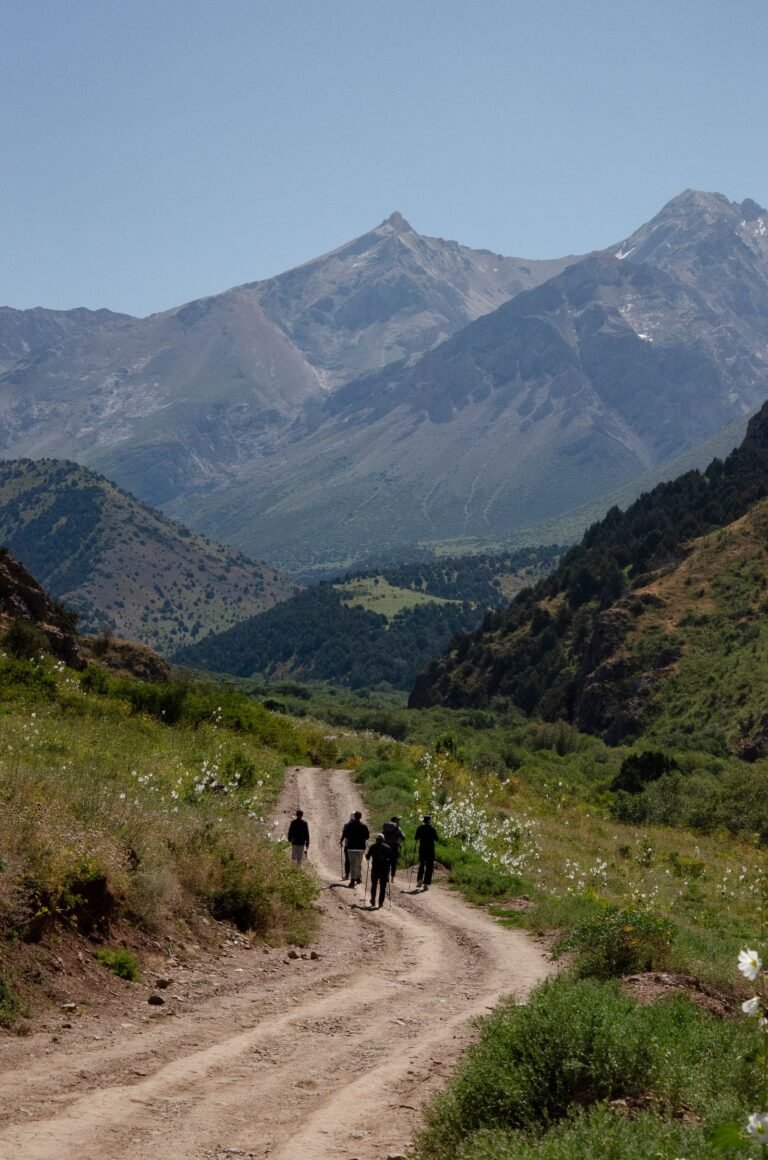
Explore European yoga retreats by region, season, budget, and style. Learn travel and visa considerations and what to check before booking.
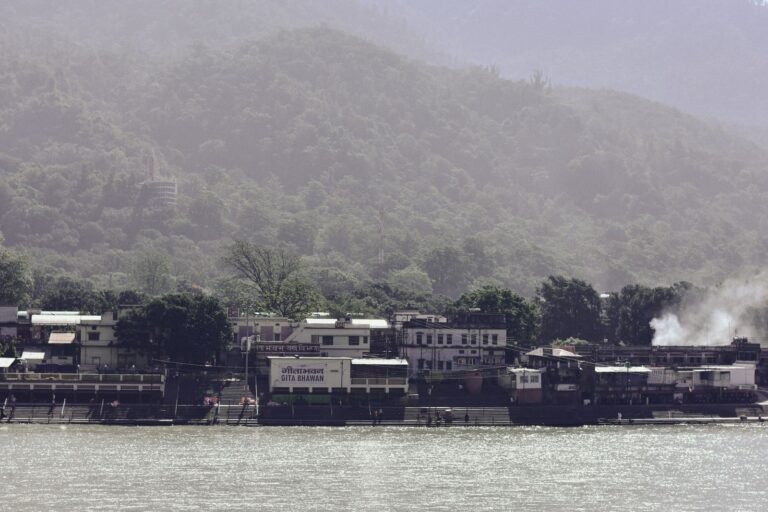
Discover the best regions, retreat styles, seasons, budgets, and travel tips for yoga retreats in India, from Rishikesh to Kerala.
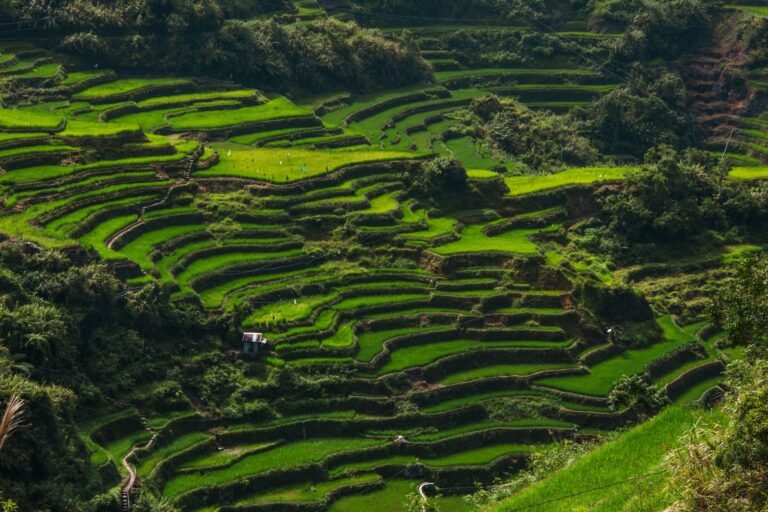
Discover the diverse world of yoga retreats across Asia. Explore styles, best seasons, regions, budgets, and travel tips to plan your journey.
New to Yoga?
Start with the basics and build a steady, safe practice
Our beginner guide covers your first class, practising at home and how to choose a style and teacher that suit you.