
Yoga Retreats in the Caribbean
A practical overview of Caribbean yoga retreats, from island styles and seasonal timing to travel logistics and what to verify before booking.
- Home
- Yoga Retreats Around the World
- Yoga Retreats in the Caribbean
The Caribbean is one of the most alluring destinations for a yoga retreat, with warm trade winds, turquoise water, and a relaxed pace that encourages deep rest and movement. The Caribbean spans thousands of islands and coastal stretches, each with its own character, yet nearly all offer consistent sunshine, ocean views, and open air settings that make yoga feel restorative. Whether you prefer a luxury beachfront resort, a rustic eco lodge, or a sailing journey between islands, the Caribbean supports many styles of practice.
This guide covers typical retreat formats, the best seasons to travel, notable islands and coastlines known for yoga holidays, general budget ranges, travel and visa points, and the practical questions to ask before you commit.
Why the Caribbean for Yoga Retreats
The Caribbean pairs warm weather with a laid back island culture, making it easier to slow down and settle into a practice. The sea breeze, sound of waves, and longer daylight hours support outdoor classes at sunrise and sunset. Many retreat centres are built directly on the beach or tucked into rainforest hillsides, so you can move from your mat to the water within minutes.
For travellers from North America and Europe, the Caribbean is also relatively accessible, with direct flights from many major cities. English, Spanish, French, and Dutch are spoken across different islands, so language barriers are usually manageable for yoga instruction and daily communication. The region’s mix of African, European, and Indigenous influences shapes its food, music, and wellness traditions, adding a cultural layer to the retreat experience.
Typical Retreat Styles in the Caribbean
Caribbean yoga retreats vary widely, but most fall into a few broad categories. Some are dedicated yoga holidays with two or more classes per day, while others weave yoga into a broader wellness or adventure itinerary. Knowing the style helps you match a retreat to your energy and goals.
Resort and Luxury Retreats
These retreats take place at beachfront resorts or boutique hotels with high end amenities such as spa services, infinity pools, and gourmet dining. Yoga is often held on open air decks or shaded beach platforms. Sessions may be gentle and accessible, with an emphasis on relaxation and vacation style pampering. Expect fewer intensive workshops and more free time for sunbathing, snorkelling, or spa practices.
Eco Lodge and Nature Immersion Retreats
For a more grounded experience, eco lodges and jungle or hillside retreats focus on sustainability and connection to nature. Accommodation may be simple but comfortable, often built with local materials and powered by solar energy. Classes are held in open pavilions surrounded by tropical plants and birdsong. These retreats often include vegetarian meals sourced from on site gardens, plus optional hikes, waterfall visits, or farm tours.
Sailing and Water Based Retreats
Some retreats combine yoga with sailing, catamaran cruises, or paddleboarding. You might practice on the deck at sunrise, then sail to a new anchorage, snorkel, or kayak in the afternoon. These retreats tend to have smaller groups and a flexible schedule determined by wind and water conditions. They suit adventurous travellers who do not mind shared cabins and a more spontaneous daily rhythm.
Silent and Meditation Focused Retreats
For those seeking stillness, silent retreats and meditation based programmes are available in quieter corners of the Caribbean. These retreats may include guided sitting practice, walking meditation on the beach, and limited talking during meals or throughout the day. Yoga sessions are often slow and contemplative, such as gentle hatha, restorative, or yin. Silence can feel intense for beginners, so check the schedule and level of silence before booking.
Detox and Wellness Retreats
Many Caribbean retreats include a wellness or detox element, such as juice fasting, raw food menus, colon hydrotherapy, or spa rituals. Yoga is one part of a larger programme that may also include massage, breathwork, and nutritional guidance. If you are new to cleansing or have any health conditions, consult a doctor before choosing a strict detox retreat. A gentler option is a retreat with nourishing whole foods and daily yoga, without extreme restrictions.
Best Seasons for a Caribbean Yoga Retreat
The Caribbean has two main seasons: a dry season from roughly December to April, and a wetter, more humid season from June to November. The dry season offers lower humidity, less rain, and cooler nights, making it the most popular and therefore more expensive time to travel. The wet season coincides with the Atlantic hurricane season, although many islands still enjoy plenty of sunshine between passing showers. The shoulder months of May and late November often bring fewer crowds and moderate prices, with generally good weather.
| Season | Typical Months | What to Expect |
|---|---|---|
| Dry season | December to April | Low humidity, sunny days, higher prices, peak crowds |
| Shoulder season | May and late November | Fewer visitors, good weather, possible short showers, better value |
| Wet or hurricane season | June to November | Hotter and more humid, afternoon rain, lower prices, some retreat centres close for part of this period |
Even in the wet season, mornings are often clear and ideal for yoga, with rain arriving in the afternoon or evening. If you travel during hurricane season, choose a retreat with a clear weather policy and consider travel insurance that covers storm related changes.
Regions and Islands Known for Yoga Retreats
The Caribbean is not a single destination but a broad region with several sub groups. Each area offers a different flavour of retreat setting.
Greater Antilles
The Greater Antilles include the larger islands of Cuba, Jamaica, Hispaniola (Haiti and the Dominican Republic), and Puerto Rico. The Dominican Republic and Jamaica have well developed tourism infrastructure and a wide range of retreat styles, from all inclusive beach resorts to jungle eco lodges. Puerto Rico is a United States territory, so United States citizens do not need a passport to enter. Cuba has a smaller commercial yoga scene but offers cultural immersion and simple, community based practice settings.
Lesser Antilles
The Lesser Antilles curve from the Virgin Islands down to Trinidad and Tobago, with many smaller islands known for their lush volcanic landscapes and dramatic coastlines. St Lucia is famous for the Pitons and rainforest, which create a stunning backdrop for hillside retreats. Barbados has a more developed upscale resort scene and steady trade winds. Antigua, Grenada, and St Vincent and the Grenadines also host smaller, nature focused retreats, often on quiet beaches or hillside farms.
Western Caribbean and Mexico’s Caribbean Coast
The Caribbean coast of Mexico, especially the Riviera Maya and Tulum area, is one of the most popular yoga retreat destinations in the wider Caribbean region. Here you will find a dense concentration of eco chic beach clubs, jungle studios, and wellness oriented hotels. Belize and the Bay Islands of Honduras (such as Roatan) offer a more laid back, off the beaten path feel, with reef snorkelling and Garifuna culture alongside yoga.
Other Notable Island Groups
The Bahamas and Turks and Caicos are known for powdery sand and calm turquoise water, attracting luxury retreats and wellness resorts. The United States Virgin Islands and British Virgin Islands combine easy access from the US mainland with a mix of upscale and low key retreat settings. The Dutch Caribbean islands of Aruba, Bonaire, and Curacao lie outside the main hurricane belt, making them a popular choice for year round retreats.
Budget Levels in General Terms
Caribbean yoga retreat prices vary by island, season, accommodation standard, and inclusions. As a general guide, budget retreats with shared rooms and simpler meals may start at the lower end, while mid range retreats with private rooms and daily excursions sit in the middle, and luxury all inclusive retreats at high end resorts command the highest rates. Airfare is usually additional and can be the largest single cost, especially from Europe or the western United States.
- Budget: shared accommodation, simple vegetarian meals, one or two yoga classes per day, fewer extras, often at eco lodges or guesthouses.
- Mid range: private room, more varied meals, daily classes plus one or two excursions or workshops, often at boutique hotels or smaller resorts.
- Luxury: premium beachfront rooms, gourmet dining, spa practices, multiple daily classes, private transfers, and high staff to guest ratios.
Remember that islands with a higher cost of living, such as the Cayman Islands or Turks and Caicos, tend to have higher retreat prices, while the Dominican Republic, Mexico’s Caribbean coast, and parts of Belize often offer more competitive rates. Travel during the dry season and over holidays such as Christmas and New Year will almost always cost more.
Travel and Visa Considerations
Entry requirements vary by island and your nationality, so always verify current rules with the official embassy or consulate before booking. Many Caribbean destinations allow visa free entry for tourists from the United States, Canada, the United Kingdom, and the European Union for stays of up to 30 or 90 days, but this is not universal. Some countries require a visa on arrival or an electronic travel authorisation.
United States citizens do not need a passport for Puerto Rico or the United States Virgin Islands, but a passport is required for most other Caribbean nations. Passport validity rules often require at least six months beyond your travel dates, so check your expiry date early. A return or onward ticket is commonly requested at immigration.
For health, routine vaccinations should be up to date. Depending on the island, hepatitis A and typhoid may be recommended, and some areas have a risk of dengue or Zika, so mosquito precautions are wise. Check the latest advice from the World Health Organization or your national travel health service before departure. Travel insurance that covers medical care and trip interruption is strongly recommended, especially during hurricane season.
What to Check Before Booking
A little research goes a long way in choosing a retreat that fits your needs. Ask the organiser or read the fine print on these points:
- Yoga style and schedule: How many classes per day? Are they suitable for your level? Is there a mix of active and restorative practice?
- Instructor qualifications: What training and experience do the teachers have? Are they certified by a recognised yoga school?
- Accommodation and meals: Is the room private or shared? What type of food is served? Can dietary needs be accommodated?
- Group size and vibe: How many participants? Is it a social retreat or a quiet, introspective one?
- Inclusions and extras: Are airport transfers, excursions, spa practices, or taxes included? What will you pay out of pocket?
- Cancellation and weather policy: What happens if you cancel, or if a hurricane disrupts travel? Is there a refund or credit?
- Accessibility and mobility: Are the yoga spaces and rooms accessible if you have limited mobility? Are there many stairs or uneven paths?
- Reviews and references: Look for recent feedback from past guests, but keep in mind that individual experiences vary.
Sample Daily Rhythm at a Caribbean Retreat
While every retreat is different, a typical beach or eco lodge retreat day might follow a gentle arc. Early morning meditation or pranayama leads into a sunrise yoga class, followed by breakfast. Midday is often free for swimming, hiking, or a workshop on alignment, philosophy, or breathwork. A late afternoon class may be slower, such as restorative or yin, followed by dinner and an evening activity like a beach bonfire, sound bath, or free time under the stars.
Some retreats include excursions to waterfalls, reefs, or local markets, while others keep the schedule intentionally empty so you can rest. If you prefer structure, look for retreats with a clear itinerary. If you prefer freedom, choose one with optional activities rather than mandatory group outings.
Packing and Preparation
Pack light, breathable clothing for yoga and hot weather, plus a light layer for air conditioned rooms or breezy evenings. Bring reef safe sunscreen, insect repellent, a reusable water bottle, and any personal yoga props you love, although most retreats supply mats and blocks. If you practice inversions or have medical conditions such as high blood pressure, glaucoma, or recent injuries, speak with your doctor and inform the retreat teachers before class. Pregnant travellers should seek guidance from a prenatal qualified instructor and avoid overheating in hot climates.
Related Reading on About Yoga
To deepen your preparation for a Caribbean retreat, explore these guides from About Yoga:
Explore About Yoga
Keep Reading
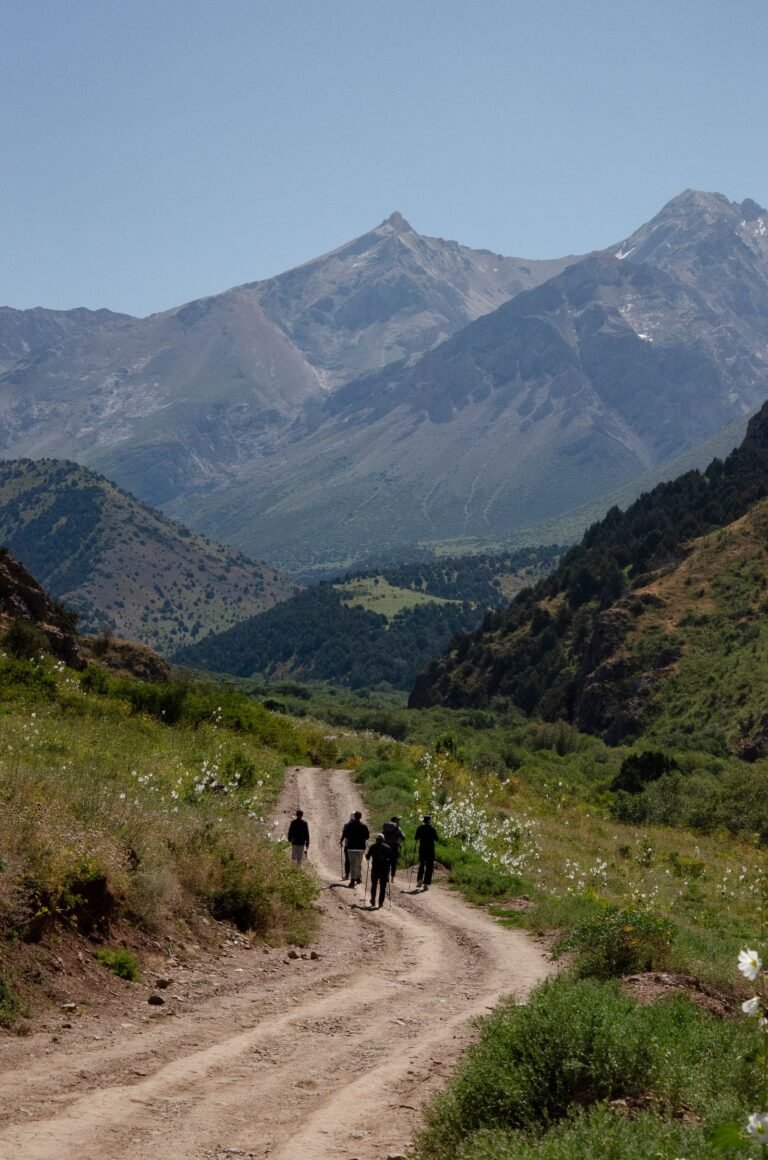
Explore European yoga retreats by region, season, budget, and style. Learn travel and visa considerations and what to check before booking.
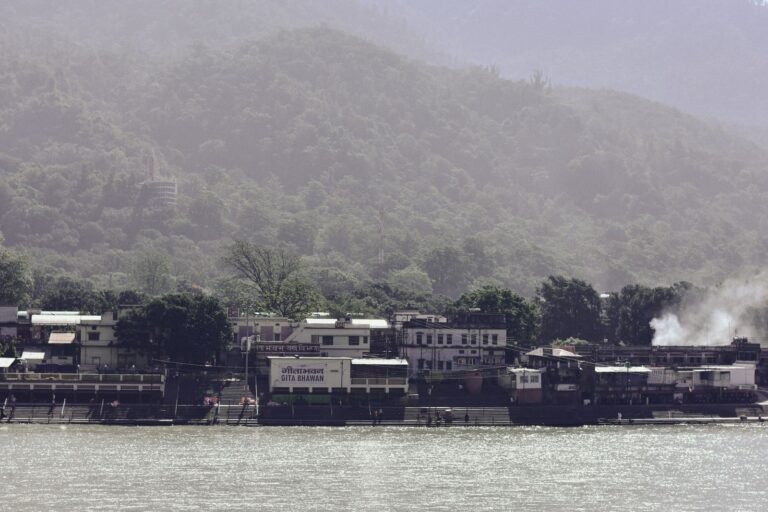
Discover the best regions, retreat styles, seasons, budgets, and travel tips for yoga retreats in India, from Rishikesh to Kerala.
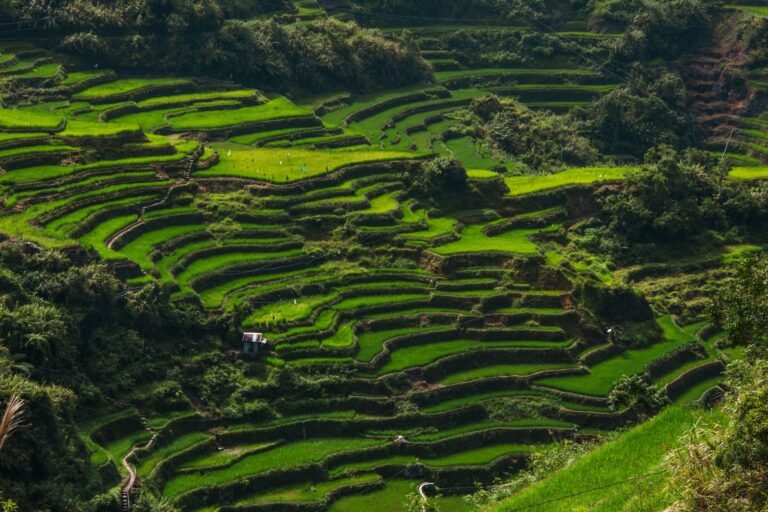
Discover the diverse world of yoga retreats across Asia. Explore styles, best seasons, regions, budgets, and travel tips to plan your journey.
New to Yoga?
Start with the basics and build a steady, safe practice
Our beginner guide covers your first class, practising at home and how to choose a style and teacher that suit you.