
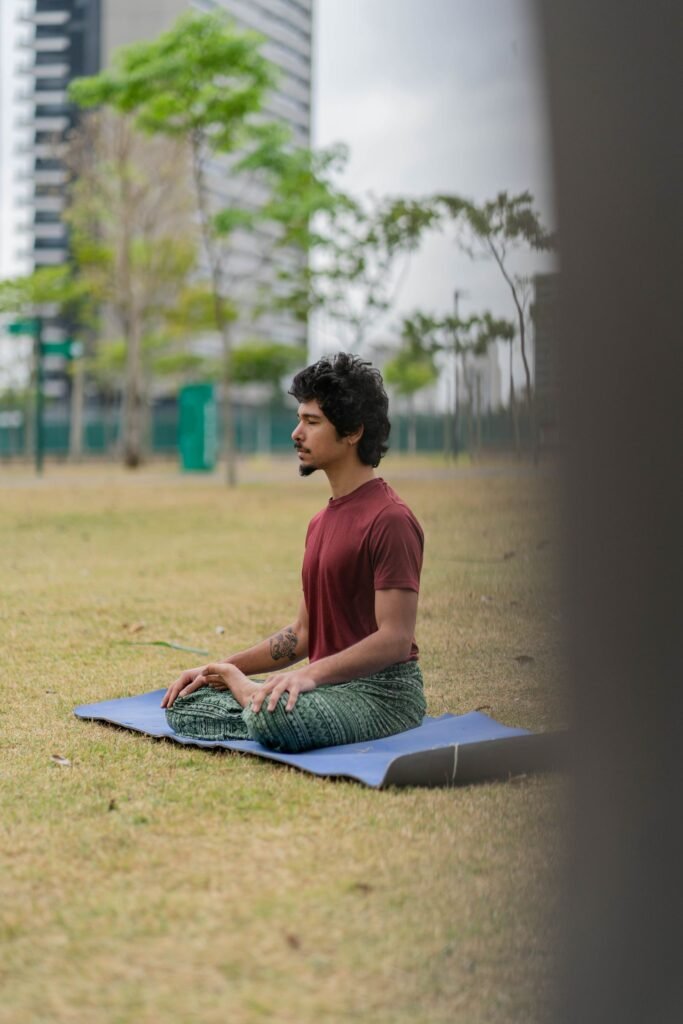
Pranayama, the yogic practice of breath control, offers a simple yet profound way to calm the mind, increase focus, and prepare for meditation. For beginners, learning a few foundational techniques can build confidence and establish a safe, sustainable breathing practice.
What Is Pranayama?
Pranayama comes from two Sanskrit words: prana, meaning life force or vital energy, and ayama, meaning extension or control. In traditional yoga, breath is considered the bridge between body and mind. According to the Yoga Sutras of Patanjali, pranayama is the fourth limb of the eightfold path, practiced after asana (postures) to prepare for deeper states of concentration and meditation.
While many styles of pranayama exist, beginners benefit most from gentle techniques that emphasize awareness, slow breathing, and no prolonged breath retention. The five techniques described below are widely taught and accessible, requiring no special equipment beyond a comfortable seat.
Benefits of a Beginner Pranayama Practice
Regular pranayama practice can support overall well-being. Many practitioners find that conscious breathing helps reduce feelings of stress and anxiety, improves concentration, and creates a sense of inner balance. In yoga philosophy, pranayama is said to purify the nadis (energy channels) and balance the flow of prana, which may enhance vitality and mental clarity.
Because the breath is always with you, pranayama can be practiced almost anywhere: at home, at work, or before bed. It is an excellent tool for grounding yourself during a busy day.
Safety Notes for Pranayama Beginners
Pranayama is generally safe for healthy individuals, but a few precautions are wise. Always practice on an empty stomach or at least two hours after a meal. If you feel dizzy, lightheaded, or short of breath, return to natural breathing and rest. Never force the breath or practice breath retention beyond your comfort level.
- Consult a healthcare provider before starting pranayama if you are pregnant, have high or low blood pressure, heart disease, respiratory conditions such as asthma or COPD, epilepsy, or glaucoma.
- Avoid vigorous pranayama during acute illness, fever, or respiratory infection.
- Practice in a well-ventilated space, sitting upright with a long spine. If sitting on the floor is uncomfortable, sit on a chair.
- Do not practice breath retention techniques while driving or operating machinery.
- If you have a history of anxiety or panic attacks, begin with very gentle techniques like sama vritti or three-part breath, and avoid intense practices.
Five Breathing Techniques for Beginners
Each technique below includes step-by-step instructions. Read through the full description before starting, and remember to move at your own pace. You can practice one technique per session or combine a few as a short sequence.
1. Three-Part Breath (Dirga Pranayama)
The three-part breath teaches you to fill the lungs completely by directing the breath into three areas: the belly, the lower ribs, and the upper chest. It is calming and helps you become aware of your natural breathing pattern.
- Sit comfortably with your spine tall. Place one hand on your belly and the other on your chest, or rest both hands on your knees.
- Inhale slowly through your nose, first expanding your belly like a balloon.
- Continue inhaling, feeling your lower ribs expand outward.
- Finally, allow the breath to rise into your upper chest, feeling your collarbones lift slightly.
- Exhale slowly, releasing first from the upper chest, then the ribs, and finally the belly.
- Repeat for 5 to 10 breaths, then return to natural breathing. Work up to 3 to 5 minutes.
2. Nadi Shodhana (Alternate Nostril Breathing)
Nadi shodhana balances the left and right energy channels, Ida and Pingala, according to yoga tradition. It is a soothing practice that can help clear the mind before meditation.
- Sit comfortably. With your right hand, curl the index and middle fingers toward your palm, leaving the thumb, ring finger, and little finger extended.
- Use your right thumb to gently close your right nostril. Inhale slowly through your left nostril.
- Close your left nostril with your ring finger, release the thumb, and exhale slowly through your right nostril.
- Inhale through your right nostril, then close it with your thumb, release the ring finger, and exhale through the left nostril.
- This completes one cycle. Continue for 5 to 10 cycles, keeping the breath smooth and even. Finish with an exhale through the left nostril, then lower your hand and breathe naturally.
3. Ujjayi Pranayama (Victorious Breath)
Ujjayi breath, often called ocean breath, involves a slight constriction at the back of the throat to create a soft, audible sound on both the inhale and exhale. It builds warmth, improves focus, and is commonly used during asana practice.
- Sit tall and close your eyes. Take a few natural breaths.
- Slightly contract the back of your throat as if you were fogging a mirror with your mouth closed, but keep your lips gently sealed.
- Inhale through your nose, feeling the breath pass over the back of your throat, producing a soft hissing or ocean-like sound.
- Exhale through your nose with the same throat constriction, maintaining the sound.
- Keep the breath long and smooth, without straining. Practice for 5 to 10 minutes. If the throat feels dry, reduce the intensity.
4. Bhramari Pranayama (Bee Breath)
Bhramari, or bee breath, uses a humming sound on the exhalation to soothe the mind and reduce mental chatter. The vibration can be felt in the face, throat, and chest, making it an excellent practice for reducing mental chatter.
- Sit comfortably and close your eyes. Keep your lips lightly sealed and your jaw relaxed.
- Inhale deeply through your nose.
- On the exhale, make a low-pitched humming sound like a bee, keeping the sound steady until the breath is comfortably finished.
- Optionally, place your index fingers on the cartilage between your cheeks and ears (the tragus) to block external sound and deepen the internal vibration. Do not press hard.
- Repeat for 5 to 10 rounds, then sit quietly for a moment and notice the effects.
5. Sama Vritti Pranayama (Equal Breathing)
Sama vritti, or equal breathing, involves making the inhale and exhale the same length. This practice is simple, grounding, and ideal for beginners who want to develop breath control without strain.
- Sit comfortably and close your eyes. Take a few natural breaths.
- Begin with a count of 4: inhale for 4 counts, exhale for 4 counts.
- Keep the breath smooth and even, using the same count for both phases. If 4 feels too long, start with a count of 3.
- After a few rounds, you may gradually extend the count to 5 or 6, but never to the point of strain.
- Practice for 5 to 10 minutes, then release the counting and breathe naturally.
Quick Reference: Five Beginner Pranayama Techniques
| Technique | Primary Focus | Suggested Duration | Safety Tip |
|---|---|---|---|
| Three-Part Breath | Breath awareness and full lung expansion | 3 to 5 minutes | Keep shoulders relaxed; do not force |
| Nadi Shodhana | Balance and mental clarity | 5 to 10 cycles | Use gentle nostril pressure; stop if dizzy |
| Ujjayi | Focus and warmth | 5 to 10 minutes | Avoid if throat feels strained; ease off sound |
| Bhramari | Calming and reducing mental chatter | 5 to 10 rounds | Do not block ears forcefully; keep hum soft |
| Sama Vritti | Grounding and breath control | 5 to 10 minutes | Never hold breath beyond comfort; count evenly |
How to Build a Daily Pranayama Practice
Consistency matters more than duration. Start with 5 to 10 minutes a day, choosing one or two techniques that feel comfortable. Over time, you can add others or lengthen your sessions.
- Practice at the same time each day, such as early morning before breakfast or in the evening before bed.
- Sit on a cushion, folded blanket, or chair to keep your spine upright and your body relaxed.
- Begin with a few minutes of natural breathing or gentle movement to settle in.
- Choose one technique from the list above, or alternate between calming practices (three-part breath, nadi shodhana, bhramari) and slightly more energizing ones (ujjayi) depending on your needs.
- Keep a journal to note how you feel before and after practice. This can help you track your progress and notice patterns.
Remember that pranayama is a practice, not a performance. If your mind wanders, simply return your attention to the breath. With regular practice, you will likely find that the techniques become more natural and their benefits more noticeable.
Related Articles on About Yoga
Continue exploring yoga to support your pranayama practice with these guides from About Yoga.
- Foundational yoga poses to build strength and flexibility for comfortable seated breathing.
- Standing poses to improve posture and breath capacity.
- Forward bending poses for calming the mind before pranayama.
- Backbends to open the chest and enhance breath awareness.