
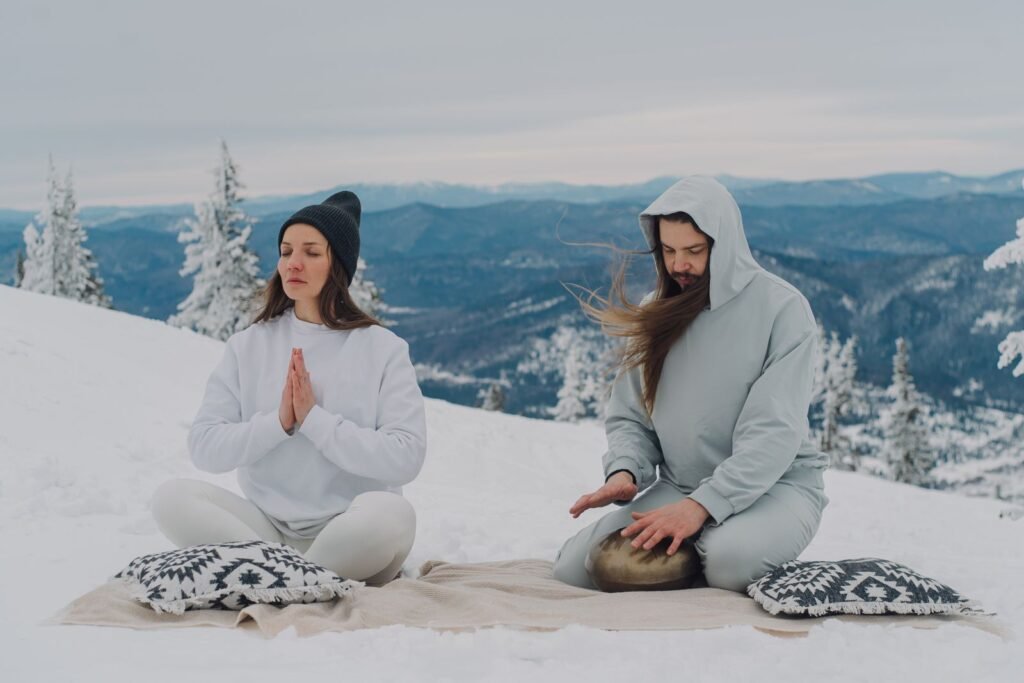
Modern life often feels like a constant stream of demands and distractions. Learning to let go and relax is essential for physical and mental well-being. Yoga offers a rich toolkit of relaxation techniques including breathwork, restorative poses, body scan meditation, and yoga nidra. This guide explains how to use these practices to unwind deeply and invite calm into your day.
The Art of Letting Go with Breath
Breath is the most immediate tool for shifting the nervous system from stress to relaxation. Two powerful techniques stand out: diaphragmatic breathing and the extended exhale.
Diaphragmatic Breathing
Also known as belly breathing, this technique engages the diaphragm fully, promoting a relaxation response. To practice, sit or lie comfortably. Place one hand on your chest and the other on your belly. Inhale slowly through your nose, allowing your belly to rise while your chest remains relatively still. Exhale through your nose or mouth, feeling your belly fall. Aim for six to eight breaths per minute. Practice for five minutes daily to build the habit.
Extended Exhale
The extended exhale lightly lengthens the out-breath relative to the in-breath, which can calm the mind rapidly. For example, inhale for a count of four, then exhale for a count of six or eight. If that feels comfortable, gradually increase the exhale length, but never strain. This technique is especially useful before sleep or during stressful moments. Be mindful if you are pregnant or have respiratory conditions; adjust as needed and consult a qualified teacher if uncertain.
Restorative Poses for Deep Relaxation
Restorative yoga uses props to support the body in passive poses, allowing muscles to release without effort. These poses are designed for letting go physically and mentally.
Supported Child’s Pose
Kneel on the floor with your big toes touching and knees apart. Place a bolster or folded blankets between your thighs. Fold forward, resting your torso on the bolster. Turn your head to one side, and switch sides halfway through. Stay for three to five minutes, breathing naturally. This pose gently stretches the hips, back, and shoulders while calming the mind.
Legs-Up-the-Wall Pose
Sit sideways against a wall with one hip touching it. Swing your legs up the wall as you lower your back to the floor. Your sitting bones should be close to the wall, legs vertical. Place a folded blanket under your hips if needed, and a pillow under your head. Rest your arms by your sides, palms up. Stay for five to ten minutes. This inversion relieves tired legs and feet, and is deeply soothing. Avoid this pose if you have glaucoma, high blood pressure, or are in late pregnancy unless cleared by a doctor.
Reclining Bound Angle Pose
Lie on your back with a bolster or rolled blanket under your spine for gentle lift. Bring the soles of your feet together and let your knees fall open. Support each knee with a block or cushion if the stretch is intense. Rest your hands on your belly or by your sides. Stay for five minutes, breathing slowly. This opens the chest and hips, encouraging release.
You can combine these poses into a sequence, holding each for several minutes. Use plenty of props to avoid any strain. If you feel discomfort, come out of the pose slowly.
| Pose | Props | Key Benefits | Duration |
|---|---|---|---|
| Supported Child’s Pose | Bolster or blankets | Stretches hips, back, shoulders; calms mind | 3-5 minutes |
| Legs-Up-the-Wall | Blanket under hips, pillow under head | Relieves tired legs, soothes nervous system | 5-10 minutes |
| Reclining Bound Angle | Bolster under spine, blocks under knees | Opens chest and hips, releases tension | 5 minutes |
Body Scan Meditation
The body scan is a mindfulness practice that involves systematically bringing attention to different parts of the body. It teaches you to notice sensations without judgment, releasing tension you may not realize you hold.
To practice, follow these steps:
- Lie down in a comfortable position, eyes closed.
- Begin by focusing on your toes, noticing temperature, tingling, or pressure.
- Slowly move your attention up through your feet, ankles, calves, knees, thighs, hips, abdomen, chest, hands, arms, shoulders, neck, and head.
- Spend about one minute on each area.
- If your mind wanders, gently guide it back without criticism.
A full scan can take ten to twenty minutes. Regular practice enhances body awareness and deepens relaxation.
Yoga Nidra Basics
Yoga nidra, often called yogic sleep, is a guided meditation practice that leads you into a state between waking and sleeping. Unlike a seated meditation, it is usually practiced lying down in savasana (corpse pose). The practice follows a structured series of stages: setting an intention, body awareness, breath awareness, and visualization. A teacher or audio recording guides you through these stages while you remain still and awake.
A typical yoga nidra practice may include:
- Setting an intention (sankalpa)
- Body awareness rotation
- Breath awareness
- Visualization
- Return to awareness
According to traditional descriptions, yoga nidra may reduce stress and improve sleep quality, but these effects are attributed to the practice’s long history rather than modern clinical claims. If you are new, seek a guided session from a certified instructor or a reputable recording. You can also learn more about the history and modern adaptations of yoga nidra on a resource like Wikipedia. Avoid practicing while driving or in situations requiring full alertness.
Putting It All Together: A Relaxation Sequence
A brief routine can combine these elements. Start with five minutes of diaphragmatic breathing in a comfortable seated position. Move through two or three restorative poses, holding each for three to five minutes. Then lie down for a ten-minute body scan, followed by ten minutes of yoga nidra if time allows. End with a few minutes of stillness, noticing the effects. This sequence can be done in the evening to prepare for restful sleep or anytime you need to unwind.
Safety and Precautions
While these practices are generally safe, they are not a substitute for medical care. If you have specific health conditions such as recent injury, chronic pain, heart problems, high blood pressure, glaucoma, or are pregnant, consult your doctor before beginning any new practice. Work with a qualified yoga instructor who can adapt poses to your needs. Never push into pain; relaxation should feel effortless. If you experience dizziness or discomfort, stop and rest.
Explore More Yoga Practices
About Yoga offers in-depth guidance on many aspects of yoga. For a comprehensive look at physical postures, visit the asana library. If you want to build strength and stability, explore standing poses. To release tension in the back of the body, learn about forward bending poses. And for heart-opening energy, discover backbends. Each practice supports your journey toward letting go and relaxing.