
Yoga Retreats in Mexico
Mexico offers a rich tapestry of landscapes and traditions for yoga retreats, from Pacific surf towns to jungle cenotes. This guide explores typical retreat styles, best seasons, regions, budgets, and travel essentials to help you plan
- Home
- Yoga Retreats Around the World
- Yoga Retreats in Mexico
Mexico’s blend of natural beauty, year-round warmth, and accessible travel makes it a top choice for yoga retreats. From the turquoise Caribbean to the Pacific surf, the country offers diverse settings that cater to every practice style and budget. The warm Mexican culture, with its emphasis on community and celebration, adds a welcoming layer to your retreat experience.
Safety note: As with any travel, check current travel advisories and consult your healthcare provider before traveling, especially if you have health concerns or are pregnant.
Typical Retreat Styles in Mexico
Yoga retreats in Mexico vary widely in focus and intensity. You can find options that emphasize rest and restoration, adventure and fitness, or deep spiritual exploration. Here are the most common styles:
- Beach and Surf Retreats: Many retreats take place on or near the coast, combining morning and evening yoga with free time for swimming, surfing, or paddleboarding. These tend to be more relaxed and social.
- Jungle and Eco Retreats: In places like the Riviera Maya and Oaxaca, retreats are tucked into lush jungle settings, often near cenotes (natural sinkholes). These focus on nature connection and may include ceremonies, temazcal (sweat lodge), or meditation.
- Wellness and Spa Retreats: These integrate yoga with massage, nutritious meals, and holistic practices. They are often held at dedicated wellness centers and may include detox programs or Ayurveda-inspired menus.
- Adventure Retreats: For active practitioners, some retreats blend yoga with hiking, zip-lining, whale watching, or scuba diving. These suit those who want to explore the region while maintaining a regular practice.
- Silent and Meditation Retreats: A smaller number of retreats in Mexico emphasize silence, meditation, and introspection, often in remote mountain or desert locations.
Important: Always choose a retreat that matches your experience level and physical condition. If you have injuries, high blood pressure, glaucoma, or are pregnant, consult your doctor and the retreat organizers about any restrictions (such as avoiding inversions or intense heat).
Best Seasons for Yoga Retreats in Mexico
Mexico’s climate varies by region, but retreats operate year-round. The best time for most travelers is the dry season, which generally runs from November to April. During this period, temperatures are milder, humidity is lower, and rainfall is rare, making outdoor yoga comfortable.
The rainy season from May to October brings afternoon showers, higher humidity, and occasional storms. However, this is also the low season for tourism, so retreats may be quieter and more affordable (though check for hurricane risk, especially on the Caribbean and Pacific coasts from June to November). The Yucatán Peninsula can be very hot and humid in summer, so retreats there often schedule yoga early in the morning or in air-conditioned shalas.
If you prefer cooler weather, consider the highlands, such as San Cristóbal de las Casas or the area around Mexico City, which offer mild temperatures year-round. Coastal Baja California has a Mediterranean-like climate, with pleasant conditions from late fall to spring.
Regions and Places Known for Yoga Retreats
Mexico’s geography creates distinct retreat experiences. Here are the main regions and what they offer:
Riviera Maya and the Yucatán Peninsula (Caribbean Coast)
This region, including Tulum, Playa del Carmen, and the island of Cozumel, is arguably the most famous for yoga retreats. The white-sand beaches, turquoise water, and numerous cenotes provide a stunning backdrop. The area also has a strong eco-conscious and wellness culture. Retreats here often incorporate Mayan traditions, such as cacao ceremonies or temazcal. Expect a mix of upscale and rustic accommodations. The main drawback is high tourist volume, especially in Tulum, and seaweed (sargassum) on beaches at certain times of year.
Pacific Coast: Puerto Vallarta, Sayulita, and Nayarit
On the Pacific side, the state of Nayarit and the area around Puerto Vallarta are popular for surfing and yoga. Sayulita, a small surf town, has a laid-back vibe and many retreat centers. The coastline offers consistent waves, lush jungle, and vibrant expat and artist communities. Retreats here often combine yoga with surfing, stand-up paddleboarding, or hiking to waterfalls. The dry season (November to April) is ideal, with sunny days around 80°F (27°C).
Oaxaca Coast: Puerto Escondido, Mazunte, and Zipolite
Further south, the Oaxaca coast is known for bohemian charm and a slower pace. Puerto Escondido has world-class surfing, while Mazunte and Zipolite are quieter, with alternative and holistic communities. Retreats here tend to be smaller, more intimate, and focused on nature, meditation, and local culture. The coast is hot year-round, with a pronounced rainy season from June to October.
Baja California Sur: Los Cabos, Todos Santos, and La Paz
The southern tip of the Baja peninsula offers a desert-meets-ocean landscape. Todos Santos, in particular, has a thriving arts and wellness scene. Retreats here often include whale watching (December to March), snorkeling with sea lions, or exploring the Sierra de la Laguna mountains. The climate is dry and sunny most of the year, with cooler evenings in winter.
Central Mexico: San Miguel de Allende, Lake Chapala, and the Highlands
For those who prefer colonial architecture, temperate weather, and a more cultural immersion, central Mexico is an excellent choice. San Miguel de Allende, a UNESCO World Heritage town, has a long history of attracting artists and spiritual seekers. Retreats here might be held in restored haciendas, with day trips to hot springs or archaeological sites. The altitude (around 6,000 feet) can affect some people, so plan for a day or two of acclimatization.
Mountains and Jungles of Chiapas and Veracruz
For more off-the-beaten-path retreats, the state of Chiapas (San Cristóbal de las Casas, Palenque) and the cloud forests of Veracruz offer cooler climates and deep indigenous traditions. Retreats here may be rustic and focus on meditation, permaculture, or community service. Access can be more challenging, but the reward is a profound sense of peace and connection.
Budget Levels in General Terms
Yoga retreats in Mexico span a wide range of budgets. Since retreats vary in length, location, accommodation, and inclusions, it is helpful to understand the general categories:
- Budget-friendly retreats: Often found in shared or dormitory-style rooms, or in simple cabañas near the beach. Meals may be vegetarian and locally sourced, and yoga might be held in open-air palapas. Prices are generally lower than in the US or Europe, but vary by season. Look for retreats that offer payment plans or early-bird discounts.
- Mid-range retreats: These typically include private rooms with en-suite bathrooms, three meals a day, daily yoga classes, and perhaps one or two excursions or workshops. They are often held at dedicated retreat centers or boutique hotels.
- Luxury retreats: High-end retreats in Mexico can be found in exclusive resorts, private villas, or upscale eco-lodges. They may include spa practices, gourmet organic meals, private yoga sessions, and personalized itineraries. Luxury retreats are more common in places like Tulum, Los Cabos, and Punta Mita.
Always ask what is included in the price. Some retreats include airport transfers, meals, and excursions, while others charge extra. Also consider travel costs, as flights to Mexico vary by season and origin.
Travel and Visa Considerations
Most visitors from the United States, Canada, the European Union, and many other countries do not need a visa for tourism stays of up to 180 days in Mexico. You will receive a tourist card (FMM) upon arrival, which you must keep safe and return when departing. Check current requirements with the Mexican embassy or consulate in your country before booking.
Travel insurance is strongly recommended, including coverage for medical emergencies and trip cancellation. Mexico does not require specific vaccinations for entry, but routine vaccines and hepatitis A and typhoid are often suggested for travelers. Consult a travel health clinic at least 4-6 weeks before departure.
Safety note: While most yoga retreats are in tourist areas that are generally safe, it is wise to follow local news and travel advisories. Use registered taxis or shuttle services, avoid isolated areas at night, and keep valuables secure. Drink bottled or filtered water, and be cautious with street food to avoid stomach issues.
If you plan to stay longer than 180 days or engage in paid work (including teaching yoga), you will need a different visa or permit. Check with Mexican immigration authorities.
What to Check Before Booking a Yoga Retreat
Choosing the right retreat requires careful research. Here is a checklist:
- Retreat style and daily schedule: Is the focus on asana, meditation, or both? How many hours of yoga per day? Is there free time?
- Instructor qualifications: Look for retreat leaders with recognized yoga teacher training (such as RYT 200 or 500) and experience leading groups.
- Accommodation and amenities: What type of room? Is there air conditioning, Wi-Fi, hot water? Are dietary needs accommodated?
- Location and accessibility: How far from the airport? Are transfers included? What is the surrounding area like (beach, town, remote)?
- Group size and demographics: Small groups (under 15) often allow more personalized attention. Check if the retreat is suitable for beginners, intermediate, or all levels.
- Meal plan: Are meals included? Are they vegetarian, vegan, or Ayurvedic? Can they handle allergies?
- Cancellation policy: Understand the refund and rescheduling terms, especially during hurricane season or potential travel disruptions.
- Reviews and reputation: Read testimonials from past participants, but remember that reviews can be filtered. Look for patterns in feedback about organization, teaching quality, and accommodation accuracy.
- Hidden costs: Ask about airport transfers, gratuities, spa practices, and any excursions not included.
Above all, listen to your intuition. A retreat should feel supportive and aligned with your intentions, whether that is rest, adventure, or spiritual growth.
Related Reading on About Yoga
To deepen your understanding and prepare for a retreat, explore these related guides:
Explore About Yoga
Keep Reading
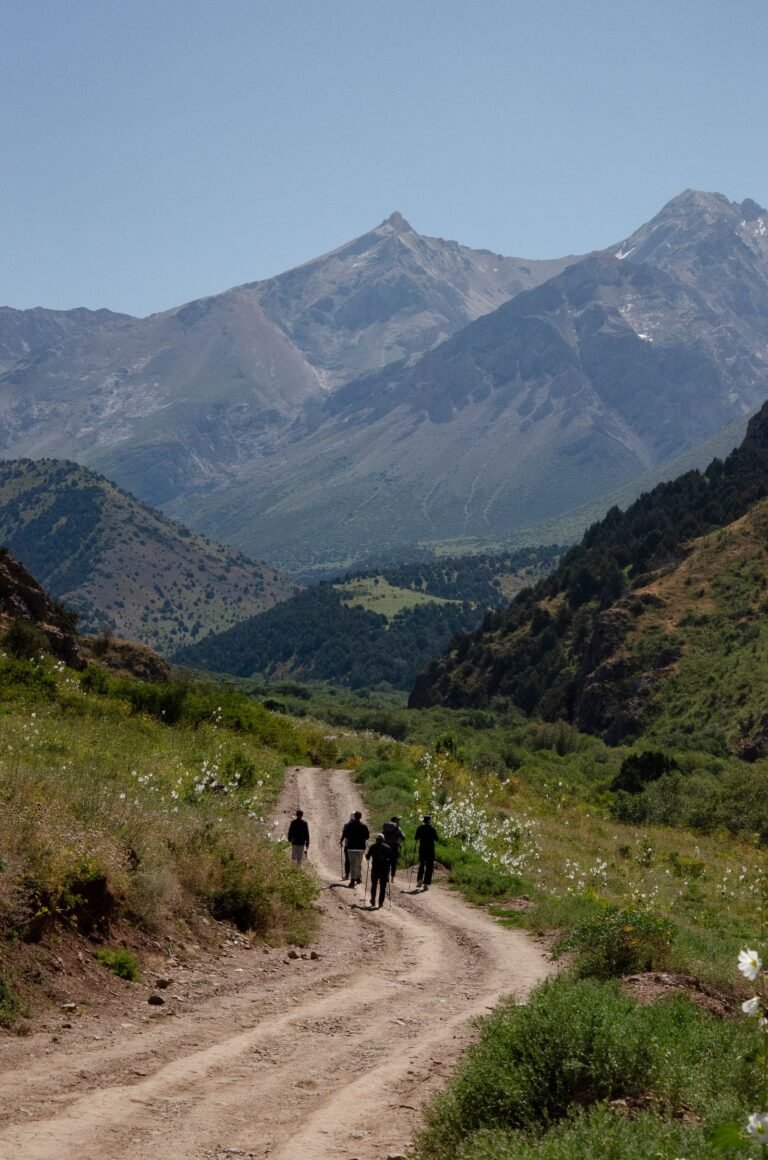
Explore European yoga retreats by region, season, budget, and style. Learn travel and visa considerations and what to check before booking.
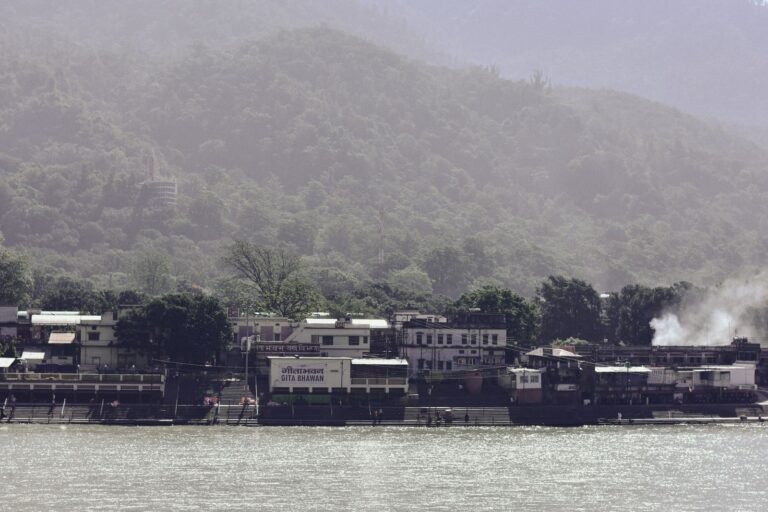
Discover the best regions, retreat styles, seasons, budgets, and travel tips for yoga retreats in India, from Rishikesh to Kerala.
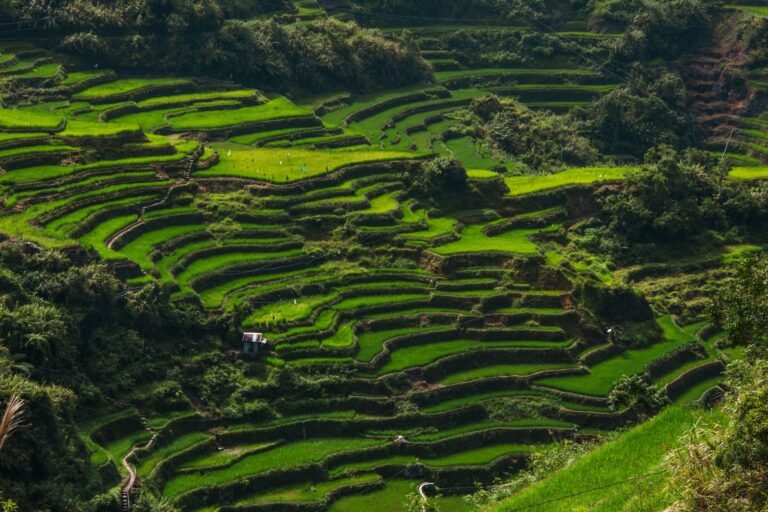
Discover the diverse world of yoga retreats across Asia. Explore styles, best seasons, regions, budgets, and travel tips to plan your journey.
New to Yoga?
Start with the basics and build a steady, safe practice
Our beginner guide covers your first class, practising at home and how to choose a style and teacher that suit you.