
Yoga Retreats in Costa Rica
Costa Rica offers lush rainforests, Pacific beaches, and a pura vida pace that pairs naturally with yoga. This guide covers retreat styles, best seasons, regions, budgets, and practical travel considerations.
- Home
- Yoga Retreats Around the World
- Yoga Retreats in Costa Rica
Why Costa Rica for Yoga Retreats
Costa Rica has earned a reputation as one of the world’s leading destinations for yoga retreats. The country combines political stability, a strong commitment to conservation, and a warm, welcoming culture often summarized by the phrase pura vida, meaning pure life or simple living. For yoga practitioners, this creates an environment where mindfulness extends beyond the mat into daily interactions with nature and community.
Much of Costa Rica’s appeal lies in its natural diversity. You can practice in an open-air shala surrounded by rainforest, on a wooden deck overlooking the Pacific Ocean, or in a cooler mountain lodge with views of volcanoes and cloud forests. The sounds of howler monkeys, tropical birds, and ocean waves often become part of the practice itself. This immersion in nature supports the traditional yogic emphasis on stillness, observation, and connection.
The country also offers an established tourism infrastructure with reliable transport, safe drinking water in most areas, and a wide range of accommodations. Compared with other tropical destinations, Costa Rica is considered safe for solo travelers, though normal precautions still apply. These factors make it accessible for both first-time retreat goers and experienced practitioners.
Typical Retreat Styles in Costa Rica
Yoga retreats in Costa Rica are not one-size-fits-all. The most common styles reflect the country’s geography and lifestyle. Beach and surf retreats combine daily asana with surfing lessons or beach time, often in towns along the Pacific coast. Jungle and eco-retreats focus on deep nature immersion, with practices held in open-air studios and additional activities such as waterfall hikes, wildlife watching, and sustainability workshops. Ayurveda and wellness retreats may include vegetarian or vegan meals, cooking classes, and holistic therapies.
Silent and meditation retreats are less common but available in the highlands and remote jungle lodges, appealing to those who want to step away from conversation and digital distractions. Some retreats are styled as surf and yoga camps, balancing energetic vinyasa sessions with the physical demands of surfing. Others emphasize restorative and yin practices, ideal for relaxation and reducing stress.
A typical daily schedule might look like this: early morning meditation and pranayama, followed by a dynamic or alignment-based asana class, a healthy brunch, free time for excursions or rest, an afternoon workshop or gentle practice, dinner, and an evening circle or yoga nidra. Schedules vary widely; always review the itinerary before booking.
Best Seasons for a Yoga Retreat
Costa Rica’s climate splits broadly into a dry season and a green season. On the Pacific coast and in the central highlands, the dry season runs roughly from December through April. This period offers sunny skies and lower humidity, making it the most popular time for retreats. The green season, from May through November, brings afternoon rain showers, lush vegetation, fewer tourists, and often lower retreat prices. Morning practices are usually unaffected by rain, which tends to fall later in the day.
The Caribbean coast follows a different pattern. February and March, and again September and October, tend to be drier, while other months can be wet and humid. This side of the country remains green year-round and attracts retreat goers who prefer a quieter, more offbeat atmosphere.
High season for tourism aligns with the dry season, especially around holidays and school breaks. If you prefer solitude and lower costs, consider the shoulder months of late November, early December, or late April and May. At higher elevations, such as Monteverde and the Arenal area, temperatures stay cooler and rain can occur at any time, so pack layers.
| Region | General Dry Season | Retreat Vibe |
|---|---|---|
| Pacific (Nicoya, Central, South) | December to April | Sunny, active, surf and beach |
| Caribbean Coast | Feb-Mar, Sep-Oct | Lush, offbeat, eco-focused |
| Central Highlands | Dec-Apr (cooler) | Mountain, quiet, meditation |
Regions and Places Known for Retreats
Costa Rica’s retreat infrastructure is spread across several distinct geographic areas. While specific retreat businesses are not named here, these regions are widely recognized for their concentration of yoga-friendly accommodations and natural settings.
Nicoya Peninsula: This Pacific peninsula includes the towns of Nosara, Santa Teresa, and Montezuma. It is famous for its Blue Zone designation, indicating higher-than-average longevity, and for its surf and yoga culture. Retreats here often blend vinyasa, restorative yoga, and surfing, with a strong emphasis on environmental awareness and community.
Southern Pacific: The area around Dominical, Uvita, and the Osa Peninsula is wilder and less developed. Jungle retreats here may offer waterfall hikes, wildlife observation, and proximity to Corcovado National Park. This region suits practitioners seeking deep immersion and a sense of adventure.
Central Pacific: Manuel Antonio and nearby beaches are easily reached from San Jose, making them convenient for shorter retreats. The mix of rainforest and ocean allows for both beach and jungle activities. This area tends to have a broader range of budget and luxury options.
Guanacaste and Northern Pacific: Tamarindo, Playa Grande, and the Papagayo Peninsula are known for dry, sunny weather and a resort-like atmosphere. Retreats here often cater to those who want comfortable amenities, beach access, and a more polished experience.
Caribbean Coast: Puerto Viejo, Cahuita, and Punta Uva offer a different cultural flavor with Afro-Caribbean influences, reggae music, and lush tropical vegetation. Retreats are fewer but often emphasize simplicity, community, and connection to nature.
Central Valley and Highlands: The areas around San Jose, the Orosi Valley, Arenal, and Monteverde provide cooler temperatures and mountain scenery. Retreats here may include hot springs visits, cloud forest walks, and a focus on silent practice or meditation. This region is a good choice if you prefer to avoid intense heat and humidity.
General Budget Levels
Retreat costs in Costa Rica vary based on location, season, accommodation type, and inclusions. In general terms, budget-level retreats use simple shared rooms, dormitory-style lodging, or basic eco-lodges, with vegetarian meals and group yoga classes included. These are more common in backpacker-friendly towns and during the green season.
Mid-range retreats typically offer private rooms, a more diverse menu, and additional activities like surf lessons, excursions, or workshops. Luxury retreats are found in resort areas such as Guanacaste and Manuel Antonio, featuring high-end accommodations, spa services, gourmet food, and personalized attention.
Rather than focusing on a specific dollar amount, examine what is included. A higher price may cover airport transfers, all meals, daily classes, and excursions, while a lower price might exclude them. Off-peak dates and longer stays often bring better value. Always ask for a detailed breakdown before committing.
Travel and Visa Considerations
Many nationalities can enter Costa Rica without a visa for tourism stays of up to 90 days. However, entry rules change, and requirements depend on your country of residence. Check the official immigration website or contact a Costa Rican consulate before booking. Your passport should generally be valid for at least six months beyond your planned departure date, though this can vary.
Costa Rica has two main international airports: Juan Santamaria International Airport (SJO) near San Jose and Daniel Oduber Quiros International Airport (LIR) in Liberia, Guanacaste. Choose the airport closest to your retreat region to reduce ground travel time. Domestic flights, shared shuttles, and rental cars are common ways to reach more remote areas. Road conditions can be challenging, especially on unpaved roads and during heavy rain, so allow extra travel time. This travel guidance is general; consult official sources like the CDC travel page for Costa Rica for health and safety updates.
Consider travel insurance that covers trip cancellation, medical emergencies, and adventure activities. Costa Rica has both public and private healthcare, but private facilities may require upfront payment. Check whether your insurance includes medical evacuation.
What to Check Before Booking
Because you cannot rely on a retreat’s marketing alone, take time to research and ask questions. A reputable retreat center will answer clearly and without pressure.
- Instructor credentials: Ask about the lead teacher’s training, experience, and whether they are certified by a recognized yoga alliance or school.
- Safety protocols: Confirm that the retreat has first aid supplies, emergency contacts, and trained staff for any adventure activities like surfing, hiking, or horseback riding.
- Inclusions and extras: Clarify what the price covers: meals, airport transfers, yoga mats, props, excursions, and taxes. Ask about additional costs.
- Accommodation and meals: Check room type, bathroom facilities, air conditioning or fans, and whether dietary preferences can be met.
- Cancellation and refund policy: Understand deadlines, penalties, and whether trip insurance is required.
- Daily schedule and intensity: Ensure the number of daily classes and the level of physical demand suit your experience and fitness. If you have an injury or are pregnant, confirm that modifications are available and consult your healthcare provider before booking.
- Reviews and references: Read independent reviews from multiple platforms and, if possible, speak with a past participant about their experience.
Safety and Preparation Notes
Yoga is generally safe when practiced under the guidance of a qualified instructor. However, certain practices, such as inversions, strong backbends, and extended breath retention, may not be appropriate for everyone. If you have high blood pressure, glaucoma, heart conditions, recent surgery, or are pregnant, consult a physician before attending. Always inform your teacher of any injuries or limitations, and never push through sharp pain.
Beyond the yoga hall, prepare for Costa Rica’s environment. Use insect repellent, stay hydrated, and protect your skin from strong tropical sun. Lightweight, breathable clothing and a rain layer are essential, especially in the green season. Respect local customs and the natural surroundings: many retreat centers practice leave-no-trace principles, and your participation supports sustainable tourism.
Finally, approach the retreat with an open mind and realistic expectations. A yoga retreat is not a substitute for medical or psychological care, but it can offer a supportive space for relaxation, self-reflection, and the development of a personal practice.
Related Pages
Explore About Yoga
Keep Reading
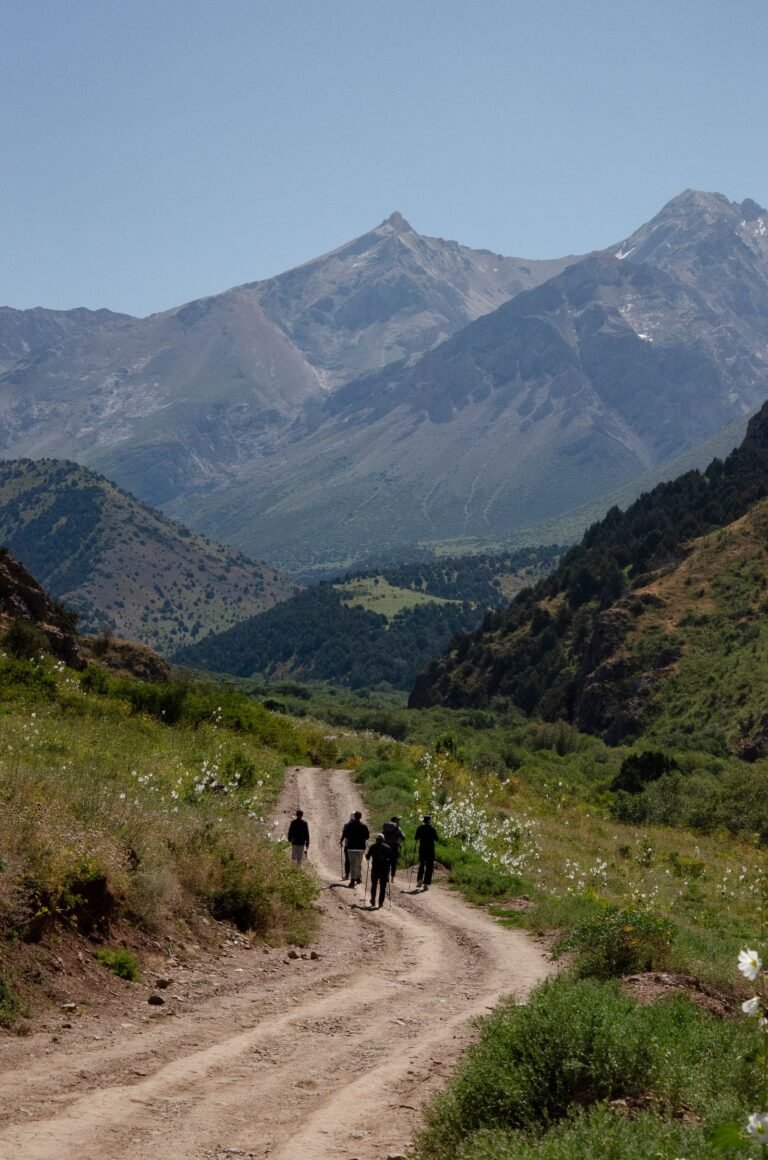
Explore European yoga retreats by region, season, budget, and style. Learn travel and visa considerations and what to check before booking.
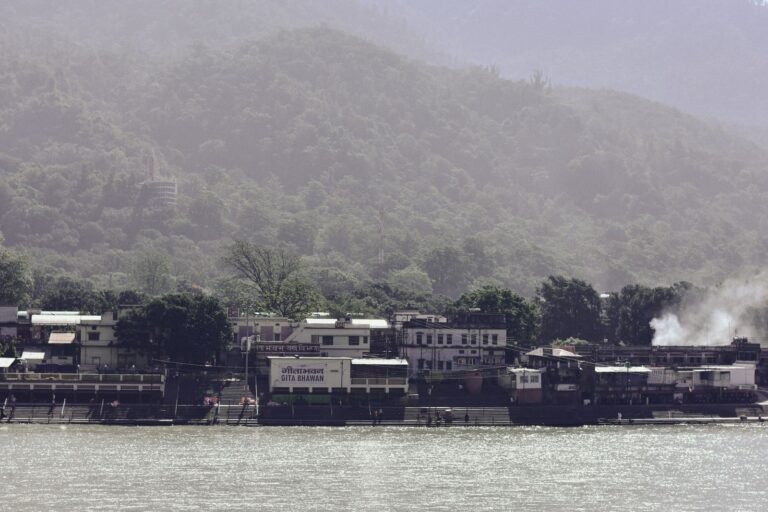
Discover the best regions, retreat styles, seasons, budgets, and travel tips for yoga retreats in India, from Rishikesh to Kerala.
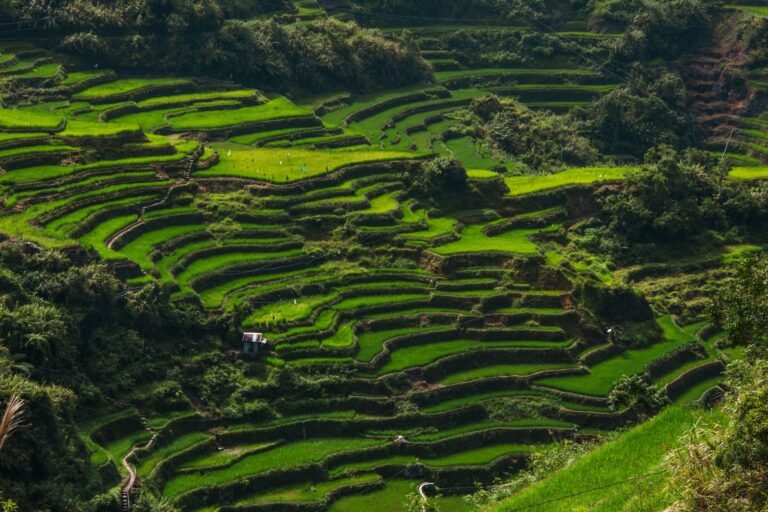
Discover the diverse world of yoga retreats across Asia. Explore styles, best seasons, regions, budgets, and travel tips to plan your journey.
New to Yoga?
Start with the basics and build a steady, safe practice
Our beginner guide covers your first class, practising at home and how to choose a style and teacher that suit you.