
Yoga Retreats in Asia
Asia offers an unmatched variety of yoga retreats, from traditional ashrams in India to beachfront sanctuaries in Thailand and Bali. This guide covers retreat styles, seasonal timing, regional highlights, budget expectations, and essential
- Home
- Yoga Retreats Around the World
- Yoga Retreats in Asia
Why Asia Is a Leading Yoga Retreat Destination
Asia is the birthplace of yoga, and the region offers an unmatched depth of tradition, spiritual atmosphere, and natural beauty for retreat goers. From the Himalayan foothills of India to the tropical shores of Thailand and Bali, a yoga retreat in Asia can range from a simple ashram stay to a luxury wellness resort. The diversity of landscapes, cultures, and teaching lineages means there is a retreat for every practice level and personal preference.
Typical Retreat Styles and Themes
Retreats across Asia generally follow one of several broad formats. Understanding these styles can help you choose the experience that best suits your goals.
Traditional Ashram Style
Common in India and parts of Nepal, ashram-style retreats emphasize simplicity, discipline, and spiritual study. Daily schedules often start before sunrise with meditation, followed by asana practice, pranayama, chanting, and philosophy discussions. Accommodation is usually basic, meals are vegetarian, and participants are expected to follow the community routine. This style suits those seeking immersion in classical yoga rather than luxury.
Resort and Wellness Retreats
Thailand, Bali, and Sri Lanka are known for resort-style retreats that combine yoga with comfortable accommodation, spa practices, and healthy cuisine. These programs often include multiple daily classes, workshops, and free time for relaxation or excursions. They tend to be more flexible with schedules and cater to a wide range of travelers, including beginners and couples.
Specialized Focus Areas
Many retreats in Asia focus on a particular aspect of practice. You will find meditation and mindfulness retreats, Ayurveda and Panchakarma programs, detox and cleansing retreats, surf and yoga combinations, and trekking plus yoga adventures. Some retreats emphasize a specific lineage, such as Ashtanga, Iyengar, or Hatha, while others offer a more eclectic mix.
Daily Rhythm of a Retreat
Regardless of style, most retreats follow a structured daily schedule. A typical day may begin at 6:00 or 7:00 am with meditation and pranayama, followed by a longer asana class. After breakfast, there may be free time, workshops, or philosophy discussions. Lunch is often the main meal, with a lighter dinner. Evenings might include restorative yoga, chanting, or group activities. This consistency helps deepen your practice and create a sense of retreat from daily life.
Best Seasons for a Yoga Retreat in Asia
Asia’s climate varies enormously by region, so the best time to travel depends on your destination. In general, the dry, cooler months are most popular for retreats, but some areas have multiple seasons.
| Region | Best Time to Visit | Notes |
|---|---|---|
| Northern India (Rishikesh, Dharamsala) | September to November and February to April | Avoid monsoon (July to August) and cold winter (December to January). |
| South India (Goa, Kerala) | November to March | Pleasant and dry; monsoon from June to September. |
| Bali (Indonesia) | April to October | Dry season; humid but less rain. November to March is wetter. |
| Thailand (Chiang Mai, islands) | November to February | Cooler and dry; hot season March to May; rainy season June to October. |
| Sri Lanka | December to March (south and west), April to September (east coast) | Two monsoons affect different coasts; check local patterns. |
| Nepal (Kathmandu, Pokhara) | October to November and March to April | Clear skies and mild temperatures; monsoon June to September. |
Always check the specific microclimate of your retreat location, as mountain and coastal areas can differ significantly within the same season.
Regions and Places Known for Retreats
Asia offers countless retreat locations, each with its own character. These are some of the most established geographic areas.
India
India remains the spiritual home of yoga. Rishikesh, on the banks of the Ganges in the Himalayan foothills, is dense with ashrams and yoga schools. Goa and Kerala offer a more relaxed, tropical setting, often blending yoga with Ayurveda and beach time. Dharamsala and McLeod Ganj attract those interested in Tibetan Buddhism and meditation. Mysore is known worldwide for Ashtanga yoga and traditional study. The variety of landscapes and lineages makes India a top choice for both beginners and advanced practitioners.
Bali, Indonesia
Bali has become a global wellness hub. Ubud, surrounded by rice paddies and jungle, hosts a wide range of retreats from traditional Balinese-inspired practices to vinyasa and yin. Coastal areas like Canggu and Uluwatu combine yoga with surfing and a vibrant cafe culture. Sidemen and the north offer quieter, more rural retreat settings. Bali’s well-developed infrastructure, international airport, and abundant wellness services make it an accessible destination for many travelers.
Thailand
Northern Thailand, particularly Chiang Mai and Chiang Rai, offers mountain retreats with a focus on mindfulness and Thai massage. The southern islands, such as Koh Phangan, Koh Samui, and Phuket, are popular for beachfront yoga, detox programs, and wellness resorts. Thailand’s well-developed tourism infrastructure makes it an easy entry point for first-time retreat goers, with many English-speaking teachers and diverse cuisine options.
Sri Lanka
Sri Lanka is an emerging destination for yoga retreats, especially along the south coast near Galle and Weligama, where surf and yoga retreats are common. The hill country around Kandy and Ella offers cooler temperatures and tea plantation views. The cultural triangle provides a historical backdrop for meditation-focused stays. Sri Lanka’s compact size allows for easy combination of beach, hill, and cultural experiences within one trip.
Nepal
Nepal combines yoga with Himalayan trekking and Buddhist philosophy. Kathmandu and Pokhara have many retreat centers, often offering courses that include meditation, sound restorative, and mountain views. Some retreats combine yoga with trekking in the Annapurna or Everest regions. The spiritual atmosphere and natural grandeur make Nepal a unique destination for those seeking adventure and introspection.
Other Notable Areas
Japan offers Zen meditation retreats in temple settings, often combined with onsen bathing, providing a distinctive cultural experience. Vietnam has emerging yoga retreats in Da Nang and Hoi An, while Cambodia’s Siem Reap provides a spiritual setting near Angkor Wat. The Philippines, particularly Palawan and Siargao, is gaining attention for island-style yoga and wellness. These destinations may have fewer retreat options but offer unique local flavors.
Budget Levels in General Terms
Yoga retreat prices in Asia vary widely. Generally, ashram-style retreats in India and Nepal are the most affordable, with basic shared accommodation and meals included. Mid-range retreats, common in Bali and Thailand, offer private or semi-private rooms, more amenities, and sometimes spa practices. Luxury wellness resorts, found throughout the region, provide high-end accommodation, gourmet meals, and extensive wellness facilities. Costs also depend on the season, with peak season rates higher. Budget travelers can find retreats that focus on simplicity, while those seeking comfort can choose from a broad range of upscale options. Always confirm what is included in the price, such as meals, airport transfers, and excursions. Some retreats offer scholarships or work exchange opportunities, which can reduce costs for those willing to contribute.
Travel and Visa Considerations
Visa requirements vary by country and your nationality. Many Asian countries offer visa on arrival or e-visa for tourism, but it is essential to check the specific rules for your passport before booking. Ensure your passport is valid for at least six months beyond your travel dates. Travel insurance is strongly recommended to cover medical emergencies, trip cancellation, and lost baggage. Some countries may require proof of onward travel or vaccination certificates, so consult official government sources or a travel health clinic. Consider the timing of your arrival and departure relative to the retreat start and end dates, and plan for possible jet lag and transportation to remote areas. Additionally, research local customs and dress codes, especially when visiting temples or traditional communities. Learning a few basic phrases in the local language can enhance your experience and show respect.
What to Check Before Booking
Before committing to a retreat, review these practical points to ensure a good fit:
- Teacher qualifications and lineage: Look for instructors with recognized training and experience. Ask about their style and teaching philosophy.
- Daily schedule and intensity: Confirm the number of classes, meditation sessions, and free time. Ensure the level is appropriate for your experience.
- Accommodation and meals: Clarify room types, bathroom facilities, and dietary options. If you have allergies or preferences, communicate them in advance.
- Group size and language: Smaller groups may offer more individual attention. Check if instruction is in a language you understand.
- Cancellation and refund policy: Understand the terms in case of illness, travel disruptions, or personal changes.
- Health and safety: If you have injuries, are pregnant, or have conditions like high blood pressure or glaucoma, consult your doctor and inform the retreat. Inversions and intense practices may not be suitable for everyone.
- Location and accessibility: Research the exact address and how to reach it. Some retreats are remote and require additional transport.
- Reviews and reputation: Read feedback from past participants on independent platforms to gauge the quality and consistency of the retreat.
Taking time to research these aspects will help you choose a retreat that supports your practice and well-being. Remember that a retreat is an investment in yourself, so clarity on these points prevents misunderstandings and enhances your experience.
Related Articles on About Yoga
For more guidance on planning a yoga retreat, read our general overview of yoga retreats. To prepare your body for retreat practices, explore our guides to foundational asanas, standing poses, and forward bending poses.
Explore About Yoga
Keep Reading
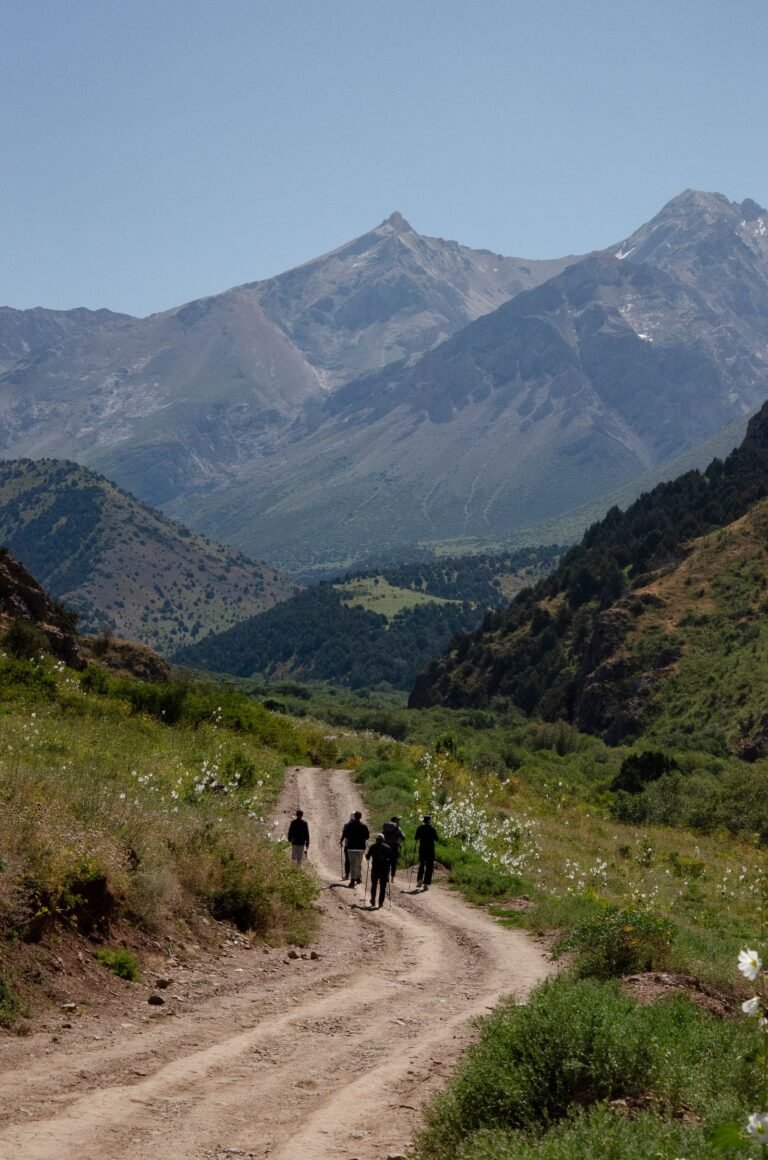
Explore European yoga retreats by region, season, budget, and style. Learn travel and visa considerations and what to check before booking.
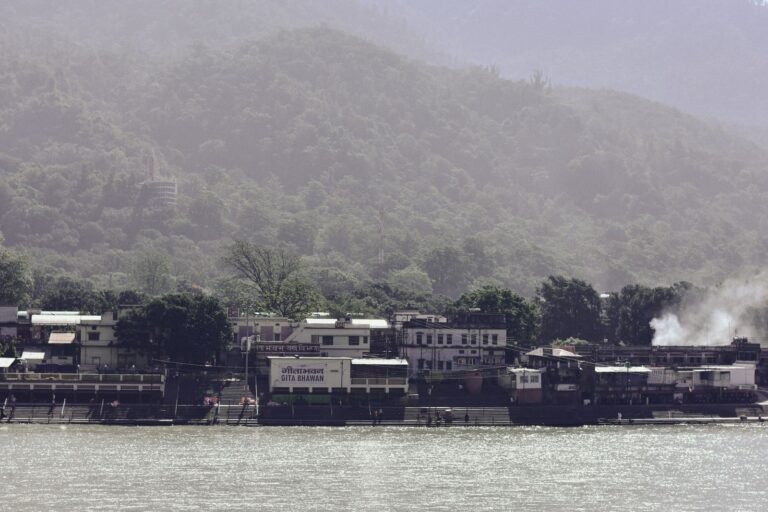
Discover the best regions, retreat styles, seasons, budgets, and travel tips for yoga retreats in India, from Rishikesh to Kerala.
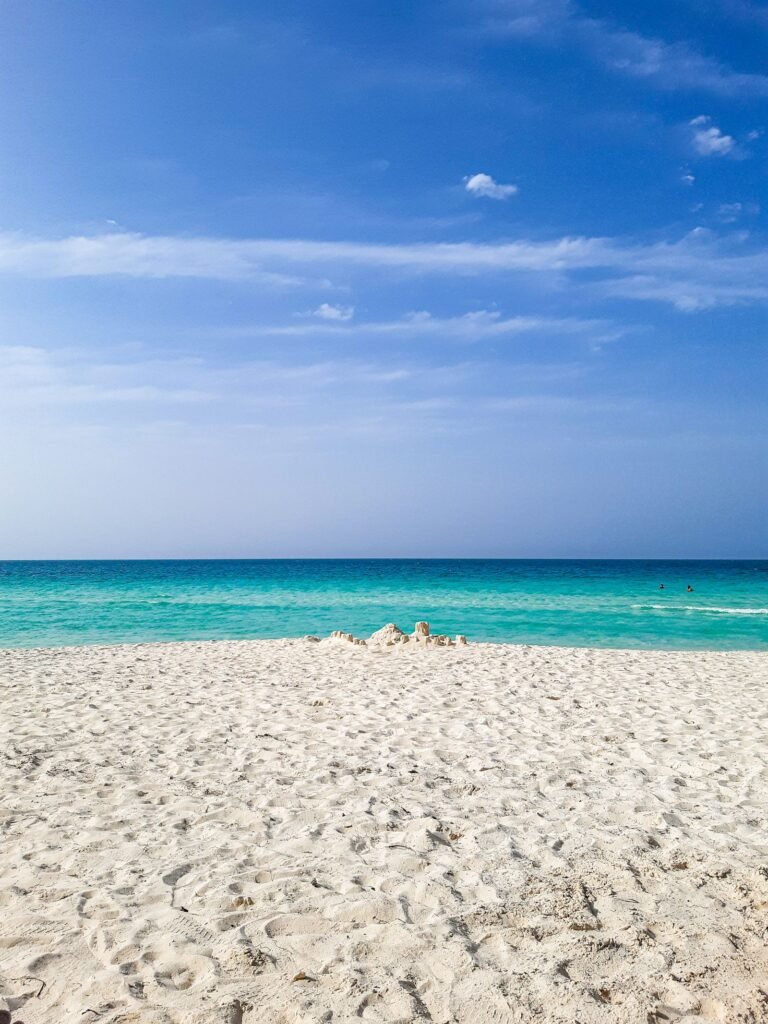
Discover yoga retreats in the Caribbean: best islands, seasons, styles, budgets, travel tips, and how to choose without naming specific businesses.
New to Yoga?
Start with the basics and build a steady, safe practice
Our beginner guide covers your first class, practising at home and how to choose a style and teacher that suit you.