
Yoga Diet and Nutrition
Food and drink directly affect your energy, focus, and comfort on the mat. This guide covers sattvic eating, practical meal timing, hydration, and balanced plant-forward meals for every day.
- Home
- Yoga and Holistic Health
- Yoga Diet and Nutrition
The Sattvic Diet in Yoga Tradition
In traditional yoga philosophy, food is often classified by three qualities, or gunas: sattva (clarity and balance), rajas (activity and stimulation), and tamas (inertia and dullness). A sattvic diet is one that emphasizes fresh, whole, lightly prepared foods that are believed to support mental clarity, calmness, and steady energy. This framework comes from Ayurveda and classic yogic texts, not from modern nutritional science, and it is offered here as a cultural and practical lens rather than a medical recommendation.
Sattvic foods often include fresh fruits and vegetables, whole grains, legumes, nuts, seeds, moderate amounts of dairy if tolerated, and gentle spices such as ginger, cardamom, and turmeric. Meals are prepared simply, without deep frying or heavy sauces, and are eaten in a mindful, unhurried way. The emphasis is on quality, freshness, and ease of digestion.
Before making significant dietary changes, especially if you have a health condition, food allergy, or if you are pregnant, talk with a qualified healthcare provider or registered dietitian. A sattvic framework can be a helpful source of inspiration, but it is not a substitute for individualized nutrition advice.
Eating Around Your Yoga Practice
The timing of your meals and snacks can affect how you feel during class. For most people, a heavy meal right before practice is uncomfortable, particularly in twists, forward bends, and inversions. A light snack one to two hours before class can provide steady energy without that overly full feeling.
Before Practice
If you practice in the morning, you may prefer a very light snack such as a banana, a small handful of nuts, or a date with a little almond butter. If your practice is later in the day, a small bowl of oatmeal or a slice of whole-grain toast with nut butter can work well. The key is to keep portions modest and allow enough time for digestion.
Hydration before class matters too, but avoid drinking large amounts of water immediately before you begin. Sip water steadily throughout the day and take only small sips if you feel thirsty just before class.
After Practice
After a session, rehydrate with water. Within a couple of hours, enjoy a balanced meal or snack that includes carbohydrates, protein, and some healthy fat. Examples include a smoothie with leafy greens and fruit, a grain bowl with vegetables and legumes, or vegetable soup with whole-grain bread. Listen to your body and eat until you feel satisfied, not overly full.
If you attend hot yoga or practice vigorously for a long time, you may need to pay more attention to electrolytes. Foods like coconut water, bananas, and lightly salted nuts can help replenish what is lost through sweat. For most moderate practices, plain water is enough.
What to Avoid Right Before Class
- Heavy, greasy meals that slow digestion
- Large amounts of caffeine or sugary drinks
- Very spicy or acidic foods that may cause heartburn
- Carbonated beverages that can lead to bloating
If you have a medical condition, are pregnant, or have specific concerns such as acid reflux or diabetes, talk with your doctor and a qualified yoga instructor about the best eating schedule for your practice. Some poses, especially inversions, should be modified or avoided with certain health conditions like high blood pressure or glaucoma, so professional guidance is important.
Hydration for Yogis
Staying well hydrated supports concentration, energy, and joint comfort. Daily fluid needs vary based on body size, climate, and activity level. A practical approach is to drink water regularly throughout the day and notice the color of your urine: pale yellow usually suggests adequate hydration. For general guidance on daily water intake, the NHS website offers practical advice.
Water-rich foods such as cucumber, melon, oranges, and leafy greens also contribute to your daily fluid total. Herbal teas and coconut water can be pleasant alternatives, but limit sugary drinks and excess caffeine, which may have a dehydrating effect for some people.
During hot yoga, you will sweat more. Bring a water bottle to class and take small sips as needed. After class, rehydrate slowly over the next hour rather than drinking a large amount at once. This is generally more comfortable and effective for most practitioners.
Balanced Plant-Forward Eating
Many yogis are drawn to a plant-forward or vegetarian way of eating, but there is no single required diet for yoga. The goal is balance, variety, and choosing foods that help you feel light, nourished, and energetic. A simple visual guide is to fill half your plate with vegetables and fruits, one quarter with whole grains or starchy vegetables, and one quarter with protein-rich foods such as legumes, tofu, tempeh, eggs, or dairy.
Healthy fats from avocado, nuts, seeds, and olive oil are an important part of a satisfying meal. Carbohydrates from whole foods like oats, brown rice, quinoa, and sweet potatoes provide sustained energy for both practice and daily life. Avoid heavily processed foods and added sugars when possible, but do not aim for perfection. A flexible, compassionate approach is more sustainable than rigid rules.
If you follow a fully plant-based or vegan diet, pay special attention to nutrients that can be more challenging to obtain, including vitamin B12, iron, zinc, omega-3 fatty acids, and vitamin D. Fortified foods or dietary supplements may be helpful, but discuss your individual needs with a registered dietitian or doctor. This is especially important for people who are pregnant, breastfeeding, or managing a health condition.
Sample Day of Sattvic-Inspired Eating
The following sample day is offered as inspiration, not as a rigid plan. Adjust portions and foods to your own preferences, culture, and nutritional needs.
| Meal | Foods | Notes |
|---|---|---|
| Breakfast | Oatmeal with cinnamon, sliced banana, and a few almonds; herbal tea | Light, warming, and easy to digest |
| Mid-morning snack | Fresh pear or apple with a small handful of pumpkin seeds | Provides fiber and crunch |
| Lunch | Quinoa bowl with roasted vegetables, chickpeas, mixed greens, and lemon-tahini dressing | A balanced mix of grains, protein, and vegetables |
| Afternoon snack | Carrot and cucumber sticks with hummus; or a small bowl of fresh berries | Keeps energy steady until dinner |
| Dinner | Lentil soup with spinach, turmeric, and ginger; side of steamed broccoli and brown rice | Warm, nourishing, and simple |
| Evening | Warm milk with a pinch of cardamom or chamomile tea | A soothing way to wind down |
Practical Tips for Everyday Balance
- Eat slowly and without screens or distractions when possible.
- Choose whole foods over heavily processed options most of the time.
- Cook at home using fresh ingredients, but allow for convenience foods when needed.
- Notice how different foods affect your energy, mood, and comfort during practice.
- Stay flexible: one meal or one day does not define your health. Return to balance at the next opportunity.
Yoga is a practice of awareness, and eating can be part of that practice. By paying attention to what, when, and how you eat, you can support your yoga practice in a way that feels sustainable and kind to your body.
Related Articles on About Yoga
To continue exploring the connection between yoga and well-being, read our guide on holistic health. If you want to build or refine your physical practice, our asanas overview is a great place to start. You can also dive into specific pose families like standing poses and forward bending poses for detailed instruction and safety tips.
In This Section
Explore About Yoga
Keep Reading
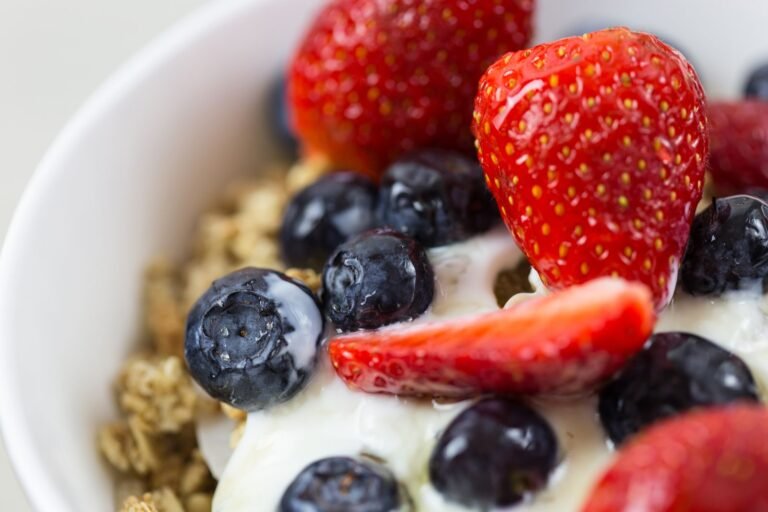
Learn what to eat before and after yoga. Explore timing, light meal ideas, and Ayurvedic principles like mitahara for a balanced, mindful practice.

New to Yoga?
Start with the basics and build a steady, safe practice
Our beginner guide covers your first class, practising at home and how to choose a style and teacher that suit you.