
Yoga Vocabulary: A Glossary of Terms
Build your yoga vocabulary with clear definitions of Sanskrit and modern terms. This glossary covers poses, breathing, philosophy, and common class cues.
- Home
- Yoga Philosophy
- Yoga Vocabulary
What Is Yoga Vocabulary?
Yoga has a rich lexicon of Sanskrit terms and modern English expressions. Knowing the language helps you understand class instructions, philosophy, and the deeper purpose behind each practice. This glossary collects common terms you will meet on the mat and in yoga texts, from Sanskrit roots to contemporary styles.
How to Use This Glossary
Terms are arranged alphabetically. Sanskrit words may have multiple English spellings; we use common transliterations. For asana names, remember that many postures have both a Sanskrit name and an English translation. The glossary also includes modern terms like “restorative” and “yin” that are widely used in contemporary classes.
A-Z Terms
A
- Asana: A physical posture or seat; commonly refers to any yoga pose.
- Adho Mukha Svanasana: Downward-Facing Dog pose, a foundational inversion that stretches the whole body.
- Ahimsa: Non-violence or compassion; the first of the five yamas in yoga philosophy.
- Aum: The sacred syllable often chanted at the start or end of class; also spelled Om.
- Ananda: Bliss or spiritual joy; the goal of many yogic practices.
B
- Bandha: An internal lock or seal that directs energy; common bandhas include mula, uddiyana, and jalandhara.
- Bhujangasana: Cobra pose, a gentle backbend that strengthens the spine.
- Balasana: Child’s pose, a resting posture often used to pause during practice.
- Bhakti: Devotion or love; one of the main paths of yoga focusing on worship and surrender.
C
- Chakra: An energy center in the subtle body; seven main chakras run along the spine.
- Chaturanga Dandasana: Four-Limbed Staff pose, a low plank that builds core and arm strength.
- Chitta: The mind-stuff or consciousness; yoga aims to still the fluctuations of chitta.
D
- Drishti: A focused gaze point used in asana to improve concentration and balance.
- Dandasana: Staff pose, a seated posture with legs extended and spine upright.
- Dhyana: Meditation or sustained concentration; the seventh limb of classical yoga.
- Dhanurasana: Bow pose, a backbend that opens the chest and shoulders.
- Dharana: Focused concentration; the sixth limb of yoga, preceding meditation.
E
- Eka Pada: One foot or one leg; used in pose names such as Eka Pada Rajakapotasana.
- Eight Limbs: Ashtanga, or the eightfold path described by Patanjali in the Yoga Sutras.
F
- Forward Fold: Any pose where you bend forward from the hips, such as Uttanasana.
- Full Yogic Breath: A three-part breathing technique using the abdomen, ribcage, and upper chest.
G
- Garudasana: Eagle pose, a balancing posture that wraps arms and legs.
- Guru: A teacher or spiritual guide; one who removes darkness and reveals light.
- Gyan Mudra: A hand gesture touching thumb and index finger; often used in meditation.
H
- Hatha: The physical practice of yoga; also refers to the branch using postures and breath.
- Halasana: Plow pose, an inversion that stretches the spine and shoulders.
I
- Iyengar: A style of yoga emphasizing alignment, props, and precision; named after B.K.S. Iyengar.
- Ishvara: The supreme being or divine principle; in yoga philosophy, a focus for surrender.
- Ida Nadi: The left energy channel; associated with cooling, lunar energy.
J
- Jnana: Knowledge or wisdom; one of the four main paths of yoga.
- Japa: Repetition of a mantra, often using malas (prayer beads).
K
- Karma: Action and its consequences; also refers to selfless service and the yoga of action.
- Kriya: A cleansing or purifying practice; also a set sequence in some traditions.
- Kundalini: Coiled energy at the base of the spine; a style of yoga that awakens this energy.
- Kosha: A layer or sheath of the self; five koshas move from physical to bliss.
L
- Lotus Pose (Padmasana): A cross-legged seated posture with feet on opposite thighs.
- Lolasana: Pendant pose, an arm balance lifting the body off the floor.
M
- Mantra: A sacred word, phrase, or sound repeated to focus the mind.
- Mudra: A hand gesture or seal; directs energy and deepens meditation.
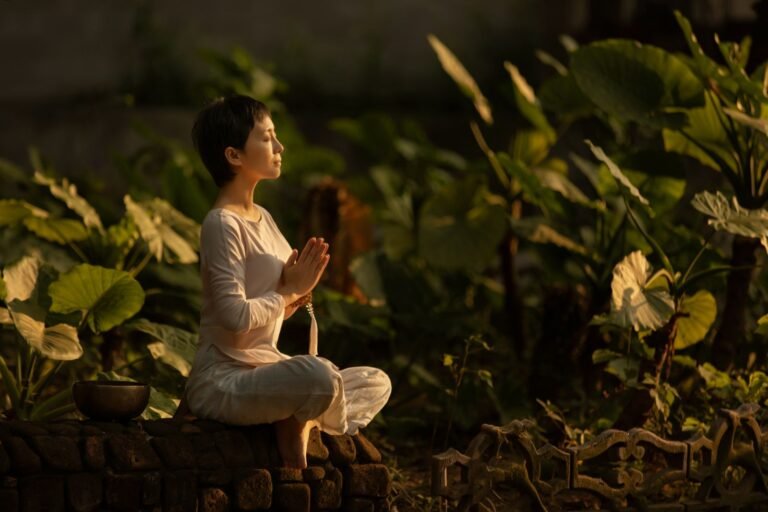
- Meditation: A practice of focused attention or open awareness to quiet the mind.
- Muladhara: The root chakra at the base of the spine; linked to stability and safety.
- Mula Bandha: The root lock; a subtle contraction of the pelvic floor.
N
- Namaste: A greeting meaning “the divine in me honors the divine in you”; often said at class close.
- Nadi: An energy channel in the subtle body; three main nadis are ida, pingala, and sushumna.
- Navasana: Boat pose, a core strengthener balancing on the sit bones.
- Niyama: Personal observances; the second limb of yoga, including purity and contentment.
O
- Om: The universal sound; same as Aum; see Aum.
- Ojas: Vital essence or life force; cultivated through balanced living and practice.
P
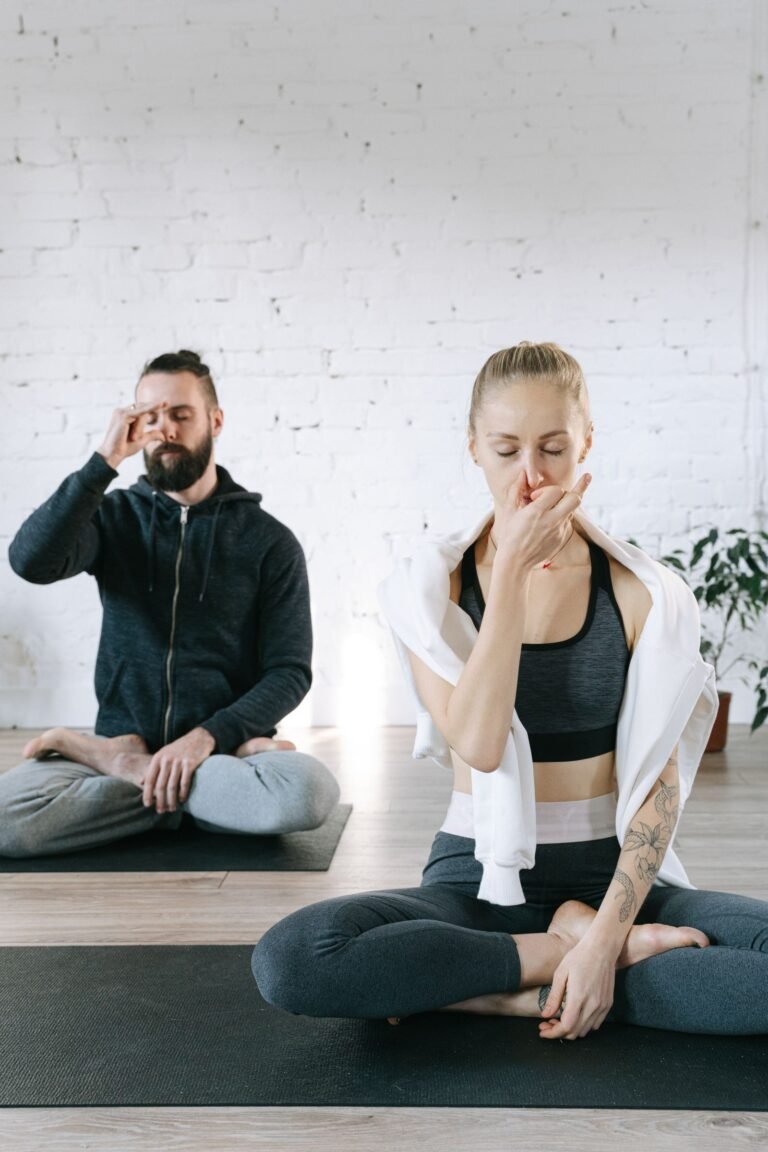
- Pranayama: Breath control or expansion of life force; breathing exercises.
- Paschimottanasana: Seated Forward Bend; a deep stretch for the back body.
- Padmasana: Lotus pose; see Lotus Pose.
- Prana: Life force or vital energy; moves through nadis and supports all functions.
- Patanjali: The ancient sage credited with compiling the Yoga Sutras.
Q
No common Sanskrit yoga terms begin with Q. You may encounter qigong, a Chinese practice sometimes combined with yoga, but it is not from the yoga tradition.
R
- Raja: Royal; Raja Yoga is the path of meditation and mind control.
- Restorative: A gentle style using props to support the body in passive poses for deep relaxation.
S
- Savasana: Corpse pose; a supine relaxation pose usually done at the end of class.
- Sukhasana: Easy pose; a simple cross-legged sitting posture.
- Surya Namaskar: Sun Salutation; a flowing sequence of poses often used as a warm-up.
- Setu Bandhasana: Bridge pose; a gentle backbend that opens the chest.
- Samadhi: Enlightenment or blissful union; the eighth limb of yoga.
- Sanskrit: The classical language of yoga; many pose names and philosophical terms are Sanskrit.
T
- Tadasana: Mountain pose; a standing posture that grounds and aligns the body.
- Trikonasana: Triangle pose; a standing lateral stretch.
- Tapas: Discipline or austerity; the inner fire that fuels consistent practice.
U
- Ujjayi: Victorious breath; an audible breathing technique that warms the body and focuses the mind.
- Uttanasana: Standing Forward Fold; a pose that stretches hamstrings and calms the mind.
- Urdhva Mukha Svanasana: Upward-Facing Dog; a backbend often paired with Downward-Facing Dog.
- Ustrasana: Camel pose; a deep backbend opening the front of the body.
V
- Vinyasa: A flowing sequence linking movement with breath; also a style of yoga.
- Virabhadrasana: Warrior pose; a series of standing poses that build strength and focus.
- Vrksasana: Tree pose; a balancing posture on one leg.
- Vayu: Wind or air; in yoga, refers to the five internal winds governing functions.
W
- Warrior Pose: English name for Virabhadrasana; see Virabhadrasana.
X
No common yoga terms begin with X. Some pose names use “x” in transliterations from other languages, but not standard.
Y
- Yoga: Union or yoke; the practice of connecting body, mind, and spirit.
- Yoga Nidra: Yogic sleep; a guided relaxation practice done lying down.
- Yin: A slow, passive style holding poses for several minutes to target deep connective tissue.
- Yama: Ethical restraints; the first limb of yoga, including non-violence and truthfulness.
Z
- Zafu: A round meditation cushion used to support seated postures; borrowed from Zen tradition.
Common Sanskrit Prefixes and Suffixes
Many pose names combine a base word with directional or descriptive prefixes. Here are a few you will see often:
- Adho: Downward, as in Adho Mukha Svanasana.
- Urdhva: Upward, as in Urdhva Mukha Svanasana.
- Supta: Reclined or supine, as in Supta Padangusthasana.
- Parivrtta: Revolved or twisted, as in Parivrtta Trikonasana.
- Utthita: Extended, as in Utthita Trikonasana.
- Eka: One, as in Eka Pada Rajakapotasana.
A Note on Sanskrit Pronunciation
Sanskrit has many sounds not found in English. You do not need to pronounce every term perfectly; teachers will appreciate your effort. Listen carefully in class and repeat the words. Common marks include the macron (ā) for long vowels, but we omit them here for simplicity.
Safety and Practice Tips
Yoga is generally safe for most people when practiced mindfully. Always listen to your body and avoid forcing any posture. If you have an injury, high blood pressure, glaucoma, or are pregnant, consult a qualified instructor and your doctor before trying inversions or deep backbends. Use props and modifications as needed. Do not practice with pain, and inform your teacher about any limitations.
Related Articles
Explore more about yoga to deepen your practice:
Explore About Yoga
Keep Reading
Explore each of Patanjali's eight limbs of yoga, from ethical principles to meditation. Learn how to apply them on and off the mat.
Learn the five yamas of yoga: ahimsa, satya, asteya, brahmacharya, aparigraha. Discover practical ways to apply these ethical principles in daily…

Learn the traditional names, locations, and associations of the seven chakras in yoga, presented as a historical framework rather than a medical…
New to Yoga?
Start with the basics and build a steady, safe practice
Our beginner guide covers your first class, practising at home and how to choose a style and teacher that suit you.