
Yoga Philosophy: Beyond the Physical Postures
Yoga is more than physical postures. This hub explores the philosophical foundations, ethical principles, and classical texts that give yoga its depth and guide a balanced, meaningful practice.
- Home
- Yoga Philosophy
Explore

Learn the complete eight-limbed path from ethical living to meditative absorption.
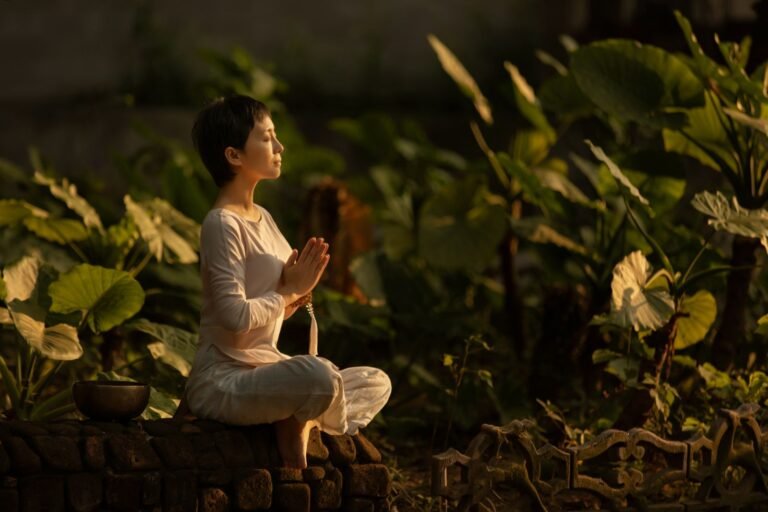
Explore the five ethical restraints that guide relationships with yourself and others.

Understand the seven energy centers and how they influence balance and awareness.
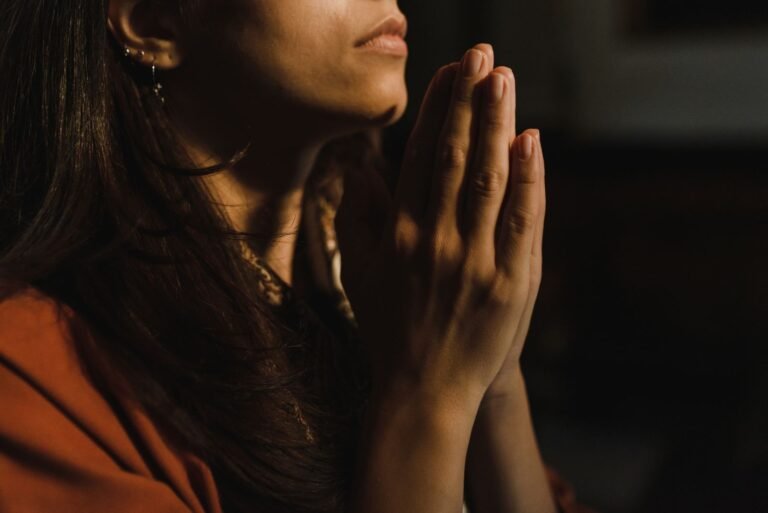
Discover sacred sounds and phrases that focus the mind and deepen practice.
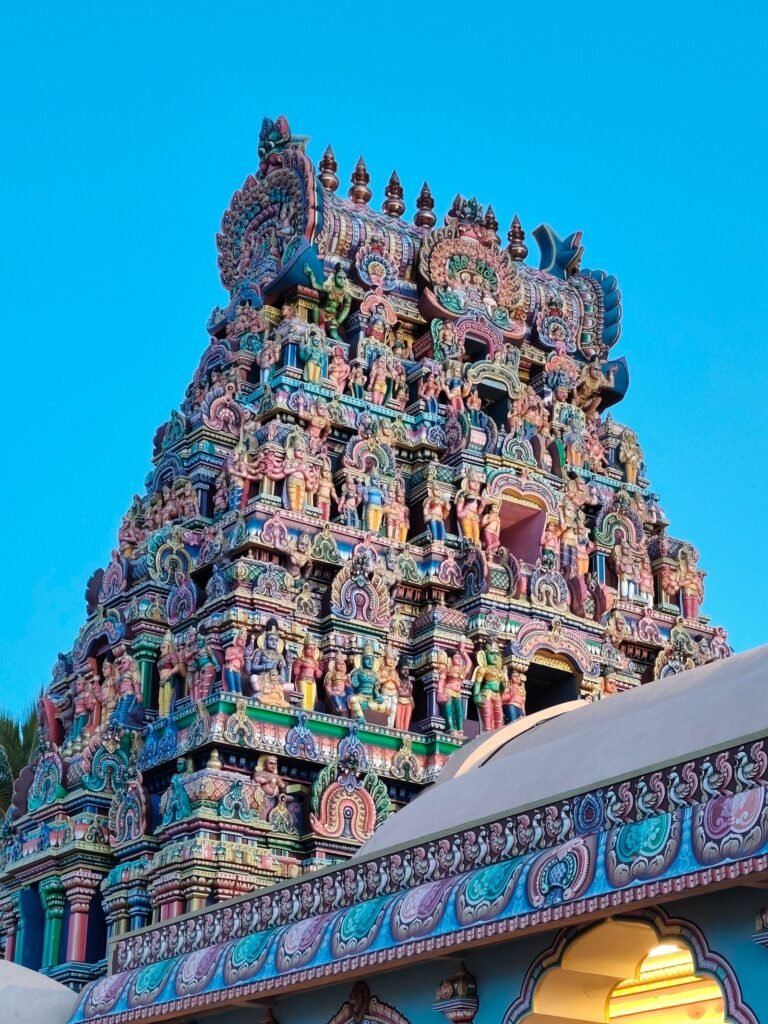
Trace yoga's evolution from ancient texts to modern global practice.

Many people begin yoga for flexibility, strength, or stress relief, but the practice has always been about more than moving the body. Yoga philosophy offers a framework for understanding the mind, reducing suffering, and living with greater awareness and integrity. This hub brings together the core concepts that sit behind the poses.
What Yoga Means Beyond Poses
The word yoga comes from the Sanskrit root yuj, often translated as “to yoke” or “to unite.” In classical terms, yoga is the stilling of the fluctuations of the mind, a process described in the Yoga Sutras of Patanjali. That text, compiled around 400 CE, is a foundational reference for yoga philosophy and practice. It presents a systematic path toward clarity and inner freedom.
Yoga as a philosophy is one of the six orthodox schools of Hindu philosophy. It shares many ideas with Samkhya, particularly around the distinction between pure awareness (purusha) and the material world (prakriti). The goal is not to escape the world but to see clearly and act skillfully within it.
The Eight Limbs: A Complete Path
The Yoga Sutras outline an eight-limbed path known as ashtanga yoga. These limbs move from ethical living to deep meditative absorption. They are:
- Yamas: ethical restraints toward others
- Niyamas: personal observances and self-discipline
- Asana: steady, comfortable posture
- Pranayama: regulation of breath and vital energy
- Pratyahara: withdrawal of the senses
- Dharana: focused concentration
- Dhyana: meditation, or sustained attention
- Samadhi: a state of deep absorption and unity
Each limb supports the others. Asana, the physical practice most people know, is not the whole of yoga. It prepares the body for sitting and the mind for stillness.
Ethics at the Center: The Five Yamas
The yamas are the first limb and often the starting point for philosophical study. They are five restraints that guide how a practitioner relates to the world:
- Ahimsa: non-harming in thought, word, and action
- Satya: truthfulness and honesty
- Asteya: not stealing or coveting
- Brahmacharya: wise use of energy, often understood as moderation
- Aparigraha: non-possessiveness and letting go of greed
These principles are not rigid rules but invitations to examine habits and relationships. They apply on the mat and in daily life.
The Subtle Body: Chakras and Mantras
Yoga philosophy also includes maps of the subtle body. The seven chakras are energy centers along the spine, each associated with specific qualities and areas of life. Balancing these centers is a practice of awareness, breathing, and focused attention. Mantras, sacred sounds or phrases repeated silently or aloud, are another tool for concentrating the mind and connecting with tradition. Both chakras and mantras support the meditative side of yoga.
Historical Roots and Key Texts
Yoga philosophy draws from a long lineage of texts, including the Upanishads, the Bhagavad Gita, and the Yoga Sutras. The Bhagavad Gita presents yoga as a path of action, devotion, and knowledge. The Hatha Yoga Pradipika, a later medieval text, describes physical techniques for purifying the body and energy channels. Understanding this history helps modern practitioners see yoga as a living tradition, not just a fitness routine. For a deeper look, see the Yoga Sutras of Patanjali on Wikipedia.
Building Your Yoga Vocabulary
Terms like asana, pranayama, drishti, and om appear often in classes. Learning the vocabulary clarifies instructions and connects you to the philosophy. Our yoga vocabulary page covers these key terms in plain language.
Bringing Philosophy into Practice
You do not need to study Sanskrit or become a monk to benefit from yoga philosophy. Start with one yama, such as practicing ahimsa in your self-talk. Notice how the breath changes in challenging poses. Observe the tendency to compare or grasp. These small inquiries bridge the gap between theory and daily life.
Always approach yoga with care for your body. If you are pregnant, managing an injury, have high blood pressure, or glaucoma, consult a qualified teacher and your healthcare provider before practicing inversions, strong breath retention, or intense sequences. Yoga is a practice of self-awareness, not competition or strain.
Related Reading
Continue exploring the physical dimension of yoga with these guides: