
Other Forms of Yoga
Yoga is not one single practice but a family of styles with different paces, goals, and accessibility. This guide introduces seven other forms of yoga, from vigorous vinyasa flow to gentle chair yoga, so you can find the right fit.
- Home
- Forms of Yoga
- Other Forms of Yoga
When people talk about yoga, they often think of a single practice: a mat, a sequence of postures, and some deep breathing. Yet yoga is a vast family of styles, each with its own pace, focus, and intention. Some forms flow from one pose to the next, others hold positions for minutes, and still others emphasize breath, meditation, or accessibility for specific bodies and life stages. This guide introduces seven popular forms beyond the basics, including vinyasa flow, yin, kundalini, restorative, power, prenatal, and chair yoga.
All yoga styles share roots in ancient Indian traditions, but modern interpretations vary widely. Choose a style based on your energy level, physical needs, and personal goals. If you have an injury, a medical condition, or are pregnant, speak with a qualified healthcare provider before beginning any new practice. A certified yoga instructor can also help modify poses to suit your body.
Vinyasa Flow
Vinyasa flow links movement and breath in a continuous sequence. The word vinyasa can be translated as to place in a special way. In practice, you move from one posture to the next on an inhale or an exhale, creating a fluid, dance-like rhythm. Poses are typically held for only a few breaths before transitioning.
Vinyasa classes vary widely: some are gentle and slow, others are vigorous and athletic. Common sequences include sun salutations, standing poses, balances, and backbends. Because the pace keeps the body moving, it can build heat, strength, and cardiovascular endurance. However, the transitions require coordination and body awareness, so beginners may benefit from a slower vinyasa or a basics class first.
If you have joint concerns or balance issues, let your instructor know. Modifications such as stepping back instead of jumping, or using blocks for stability, make vinyasa accessible to many practitioners.
Yin Yoga
Yin yoga is a quiet, slow practice that targets the deep connective tissues around the hips, pelvis, spine, and legs. Poses are done mostly on the floor and held for longer periods, often two to five minutes or more. The muscles stay relaxed, allowing the body to settle into the shape and gently stress the fascia and joints.
Unlike active styles, yin is not about building heat or muscle strength. It invites you to stay still, observe sensations, and work with your edge without forcing. Many practitioners find the long holds meditative and deeply calming. Because the body cools down, it is best to practice yin in a warm room or with extra layers.
Yin is not a substitute for medical care. If you have osteoporosis, recent surgery, or acute joint pain, check with a clinician first. Pregnant students should also avoid deep twists and prolonged backbends, and may prefer prenatal-specific classes.
Kundalini Yoga
Kundalini yoga combines physical postures, breath control, chanting, mantra, and meditation. Its goal is to awaken energy said to rest at the base of the spine, often described as coiled serpent energy. Classes typically follow a kriya, a set sequence of exercises performed for a specific duration, followed by relaxation and meditation.
Breathwork, or pranayama, is central. Techniques such as Breath of Fire involve rapid, rhythmic diaphragmatic breathing. Chanting and hand positions (mudras) are also common. Some people find kundalini deeply transformative and uplifting, while others may find the intensity of breathwork challenging at first.
Because kundalini involves strong breathing and sometimes rapid movements, people with high blood pressure, heart conditions, epilepsy, or pregnancy should seek guidance from a doctor and an experienced kundalini teacher before practicing. Always listen to your body and rest when needed.
Restorative Yoga
Restorative yoga is designed for deep relaxation and nervous system balance. Poses are fully supported with props such as bolsters, blankets, blocks, and straps. You hold each position for several minutes, often with eyes closed, allowing the body to release tension without effort.
Common restorative postures include supported child’s pose, legs-up-the-wall, and reclining bound angle. The focus is on comfort, stillness, and conscious breathing. Because the body is fully propped, restorative yoga is generally gentle and can be suitable for people recovering from stress, fatigue, or illness, though it is not a medical care.
This style is an excellent complement to more active practices. If you are pregnant, place props to avoid lying flat on your back after the first trimester, or use a prenatal restorative class.
Power Yoga
Power yoga is a fitness-oriented, athletic interpretation of vinyasa flow. It draws inspiration from Ashtanga yoga but does not follow a fixed sequence. Classes often include strength-building poses, core work, balance challenges, and faster pacing. You can expect to sweat and work hard.
Because power yoga demands stamina and mobility, it may not be the best starting point for complete beginners. However, many studios offer power basics or slow power options. Good alignment matters more than speed, so prioritize form over keeping up with the class.
If you have high blood pressure, glaucoma, or a history of heart issues, avoid holding your breath or straining in inversions and intense holds. Stay hydrated and rest in child’s pose whenever necessary.
Prenatal Yoga
Prenatal yoga is specifically adapted for pregnant people. Classes focus on safe movement, breathing techniques for labor, pelvic floor awareness, and relaxation. Postures are modified to accommodate a growing belly, shifts in balance, and changing hormone levels that can affect ligaments.
Prenatal yoga is often practiced to support sleep and to ease common pregnancy discomforts. However, every pregnancy is unique. Always get clearance from your obstetrician or midwife before starting or continuing a yoga practice. Avoid lying flat on your back for extended periods after the first trimester, and skip deep twists, strong backbends, and any pose that causes strain.
A certified prenatal yoga teacher can guide you through trimester-appropriate sequences and breathing exercises. This is not a replacement for medical care, but a supportive practice for many.
Chair Yoga
Chair yoga adapts traditional poses so they can be done seated or using a chair for support. It is popular among older adults, office workers, people with limited mobility, and anyone recovering from injury. You can practice at a desk, in a wheelchair, or on a sturdy chair at home.
Chair yoga includes gentle stretches for the neck, shoulders, spine, hips, and legs, plus breathing and relaxation. It can encourage gentle movement and body awareness without requiring getting down on the floor. The chair becomes a prop, making balance and standing poses more accessible.
Use a stable, non-slip chair without wheels. If you have balance issues, keep the chair against a wall for extra safety. Chair yoga is not a relief for any condition, but it can be a practical way to stay active and connected to your breath.
Explore More Yoga Styles and Poses
If you want to continue learning, these About Yoga guides can help:
In This Section
Explore About Yoga
Keep Reading
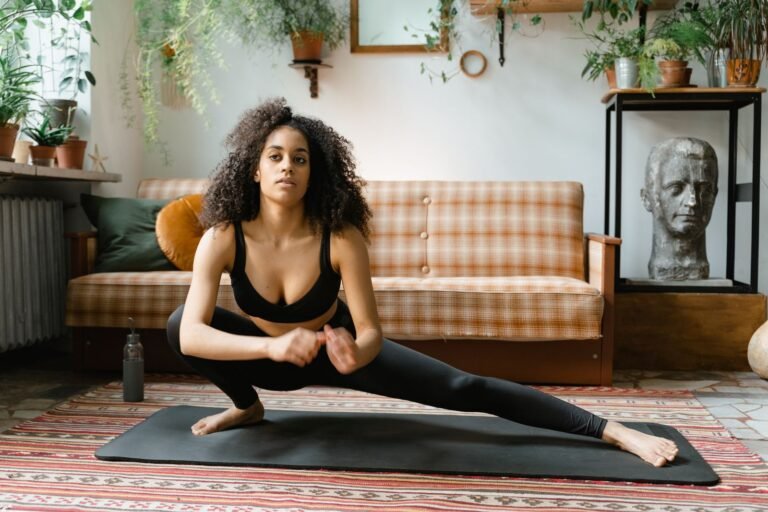
Discover the roots of hatha yoga in the Hatha Yoga Pradipika, learn what a typical class includes, and find out whether this gentle practice suits…
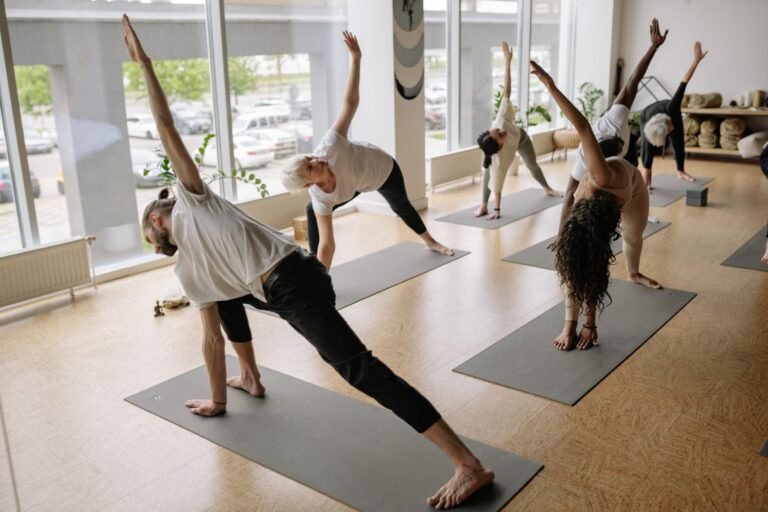
Explore Ashtanga Vinyasa Yoga: the lineage of Pattabhi Jois, structure of the Primary Series, Mysore style instruction, and its demanding intensity.
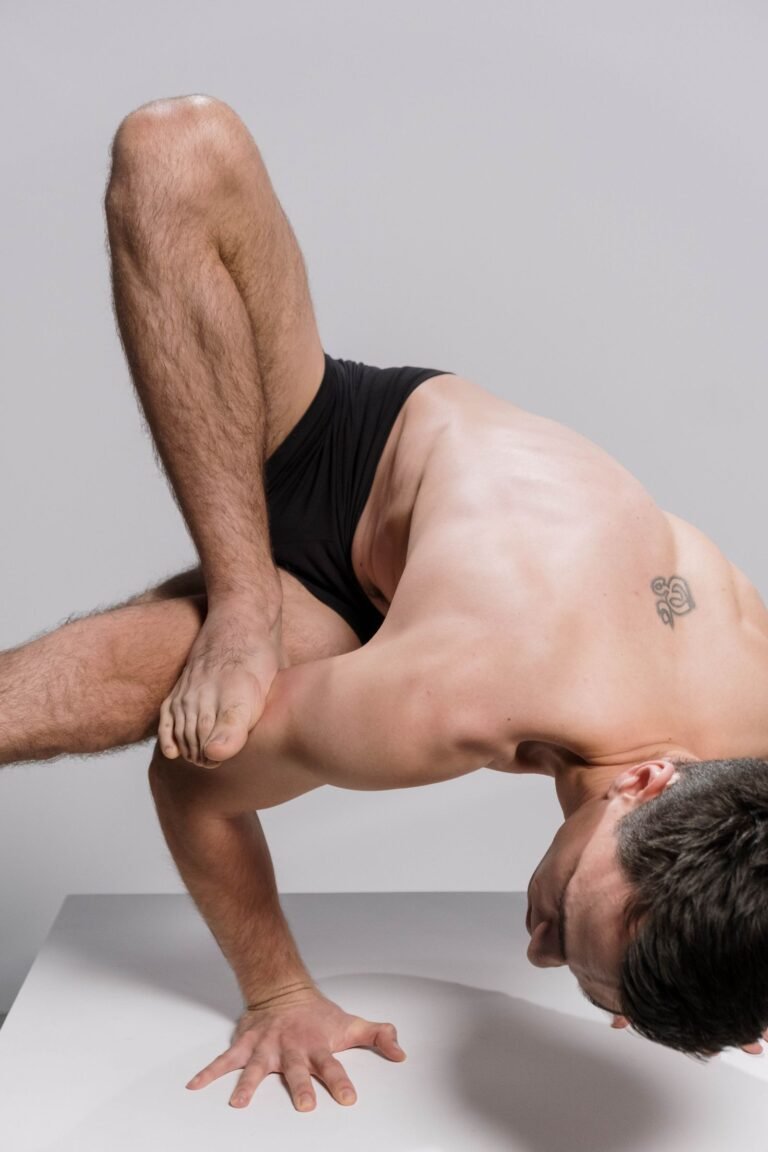
Explore Iyengar yoga, the method developed by B.K.S. Iyengar emphasizing precise alignment, use of props, and therapeutic applications for all levels.
New to Yoga?
Start with the basics and build a steady, safe practice
Our beginner guide covers your first class, practising at home and how to choose a style and teacher that suit you.