
Ashtanga Vinyasa Yoga
Ashtanga Vinyasa Yoga is a dynamic, structured practice that synchronizes breath with a fixed sequence of postures. Rooted in the teachings of K. Pattabhi Jois, it is known for its athletic intensity and the traditional Mysore style of
- Home
- Forms of Yoga
- Ashtanga Vinyasa Yoga
What Is Ashtanga Vinyasa Yoga?
Ashtanga Vinyasa Yoga is a traditional system of postures linked by breath and movement. Unlike many modern vinyasa classes that vary the sequence from class to class, Ashtanga follows a fixed order of poses grouped into six series. The practice was codified and popularized by K. Pattabhi Jois, who taught for decades in Mysore, India. Students commit the sequence to memory and move through it at their own breath rhythm, often in a self-practice setting called Mysore style.
The term ashtanga means eight limbs in Sanskrit, referring to the eightfold path described in the Yoga Sutras of Patanjali. The vinyasa method, however, emphasizes the third limb, asana, through a dynamic, flowing approach. Each movement is coordinated with either an inhalation or an exhalation, and the resulting internal heat is considered a purifying element of the practice. This heat is not a medical care but a traditional yogic concept.
The Lineage of K. Pattabhi Jois
K. Pattabhi Jois was born in 1915 in a village in Karnataka, India. He began studying with T. Krishnamacharya, often called the father of modern yoga, at the age of 12. Jois remained a devoted student and later taught the same sequences he learned, eventually establishing the Ashtanga Yoga Research Institute in Mysore in 1948. For more on the historical development, see the Wikipedia entry on Ashtanga Vinyasa Yoga.
Jois taught thousands of international students until his death in 2009. His method emphasizes daily practice, dedication, and a gradual progression through the series. In the traditional framework, a student masters each posture before moving to the next, and new postures are given individually by the teacher. This approach preserves the integrity of the lineage while allowing for personal adaptation. Jois also placed great importance on the opening and closing chants, which are recited in Sanskrit to honor the tradition and focus the mind.
The Six Series of Ashtanga
Ashtanga Vinyasa Yoga is organized into six progressively challenging series. The first is the Primary Series, also called Yoga Chikitsa, meaning yoga therapy. It is designed to align the body and build foundational strength, and is traditionally said to purify the system. The second series, Nadi Shodhana, focuses on the nervous system and introduces deeper backbends and hip openers. The four Advanced Series (A, B, C, and D) are extremely demanding and are practiced by only a small number of dedicated students. Most practitioners spend years, even decades, on the Primary Series alone.
| Series | Sanskrit Name | Focus |
|---|---|---|
| Primary Series | Yoga Chikitsa | Alignment, purification, foundational strength |
| Intermediate Series | Nadi Shodhana | Nervous system, backbends, hip opening |
| Advanced A | Sthira Bhaga A | Arm balances, deep backbends |
| Advanced B | Sthira Bhaga B | Extreme flexibility and strength |
| Advanced C | Sthira Bhaga C | Advanced combinations |
| Advanced D | Sthira Bhaga D | Highest level, rarely taught |
The Primary Series: Yoga Chikitsa
The Primary Series is the foundation of the Ashtanga system. It begins with Sun Salutations A and B to warm the body, followed by a standing sequence, a seated sequence, a closing sequence, and a final relaxation. The full series typically takes 90 minutes to two hours when practiced in a led class, though a skilled practitioner may move more quickly in Mysore style.
Key Components of the Primary Series
- Opening chant: A traditional Sanskrit invocation to honor the lineage and set intention.
- Surya Namaskar A and B: Sun Salutations that build heat and link breath with movement.
- Standing poses: A balanced set including forward bends, triangle poses, and balancing postures like Utthita Hasta Padangusthasana.
- Seated poses: The longest section, featuring forward folds, hip openers, and the Marichyasana series.
- Backbending: Usually practiced near the end, including Urdhva Dhanurasana and drop backs for advanced students.
- Finishing sequence: Inversions such as Shoulderstand and Headstand, followed by seated breathing and Savasana.
Each posture in the series is connected by a specific vinyasa, a set of movements that returns the practitioner to a neutral seated or standing position before moving to the next asana. This continuous flow maintains internal heat and keeps the practice meditative. The vinyasa count is precise: for example, a seated posture typically involves jumping back to Chaturanga Dandasana, then upward facing dog, downward facing dog, and jumping through to sitting. This repetition builds upper body strength and discipline.
Mysore Style and Led Classes
Ashtanga is traditionally taught in two formats: Mysore style and led class. In Mysore style, named after the city of Mysore, students practice independently at their own pace while the teacher moves around the room offering individual adjustments and instruction. The student memorizes the sequence and performs it without verbal cues from the teacher, creating a self-directed yet supported practice. This format allows beginners and advanced practitioners to share the same space, each working on their own portion of the series.
A led class, on the other hand, has the teacher call out the sequence and count the vinyasas for the entire group. Led classes are often used to introduce the sequence, refine the count, and build stamina, while Mysore style is considered the heart of the method for daily practice. Many Ashtanga shalas offer Mysore mornings five or six days a week and one led class per week.
Why Mysore Style Works
- Individual attention: The teacher can adjust each student according to their body and level.
- Memory and independence: Practicing without guidance deepens concentration and self-reliance.
- Flexible pacing: Students can spend more time on challenging postures or move quickly through familiar ones.
- Community: A room of practitioners moving in their own rhythm creates a powerful, shared energy.
The Tristhana Method: Breath, Posture, and Gaze
Ashtanga Vinyasa Yoga emphasizes three points of attention, known as tristhana: ujjayi breath, bandhas (energy locks), and drishti (gaze). Ujjayi is a slow, audible breath through the nose that creates a soft ocean sound and helps regulate the nervous system. The bandhas, particularly mula bandha (root lock) and uddiyana bandha (abdominal lock), are subtle muscular engagements that support the spine and direct energy. Drishti refers to specific gaze points for each posture, such as the thumb, navel, or toes, which refine focus and balance.
Practicing with all three elements together transforms the physical sequence into a moving meditation. The fixed order of postures allows the mind to settle, because there is no decision-making about what comes next. This predictability, combined with rhythmic breathing, can be deeply calming despite the physical intensity. Many students report that the method cultivates a sense of inner stillness that carries into daily life, though such experiences are subjective and not guaranteed.
Intensity and Physical Demands
There is no way around it: Ashtanga Vinyasa Yoga is intense. The practice demands strength, flexibility, endurance, and commitment. Traditional guidelines recommend practicing six days a week, with rest on Saturdays and on moon days (full and new moon). Many students find that the early morning Mysore style becomes a cornerstone of their daily routine, but it is not a practice to be rushed.
The intensity comes from the rapid succession of vinyasas, the deep forward folds and hip openers of the Primary Series, and the prolonged holds in challenging postures. Sweating is common, and the internal heat is traditionally said to burn through impurities, although modern practitioners should approach this as a metaphor rather than a medical claim. Building up gradually is essential to avoid strain.
Because of the repetitive nature of the sequence, overuse injuries can occur, especially in the wrists, shoulders, hamstrings, and lower back if alignment is ignored. Working with a qualified Ashtanga teacher, at least in the beginning and periodically thereafter, is strongly recommended. Do not attempt advanced postures without proper preparation and supervision.
Safety Considerations and Modifications
Ashtanga Vinyasa Yoga can be adapted for many bodies, but certain precautions are important. If you have any pre-existing medical conditions, injuries, or are pregnant, consult a healthcare provider and an experienced Ashtanga teacher before starting. Some postures and transitions may need to be modified or skipped, and a knowledgeable teacher can offer appropriate alternatives.
- Wrist and shoulder issues: Many weight-bearing postures can aggravate these areas. Use modifications such as forearms or fists, and avoid excessive jump backs until strength is built.
- Knee or hip injuries: Deep lotus positions and forward folds require careful preparation. Do not force the legs into positions the joints cannot safely reach.
- High or low blood pressure: Inversions like Headstand and Shoulderstand may be contraindicated. Seek guidance before practicing these postures.
- Pregnancy: The traditional sequence is generally not recommended in its full intensity during pregnancy. A modified practice under expert guidance may be possible, but always follow medical advice.
- Menstruation: Some traditional teachers advise avoiding inversions during menstruation, though modern views vary. Listen to your body and choose what feels right.
Remember that Ashtanga is not a competitive sport. The goal is not to achieve every posture immediately but to develop consistency, awareness, and a deeper connection between breath and body. Patience is a key part of the practice. If you experience sharp pain, dizziness, or shortness of breath, stop and rest. These are signals to seek guidance from a teacher or healthcare professional.
Who Should Try Ashtanga Vinyasa Yoga?
Ashtanga appeals to people who enjoy structure, discipline, and a physically challenging routine. If you like the idea of memorizing a sequence and seeing measurable progress over months and years, this method offers a clear path. It is also well suited to those who prefer a self-practice model with occasional hands-on adjustments from a teacher.
However, complete beginners may find the full Primary Series too demanding. Starting with a led class or a shortened version taught by a qualified instructor can help build the necessary foundation. Even experienced practitioners from other styles should approach Ashtanga with respect for its specific alignment and pacing. The method is not about forcing your body into a shape but about gradually unlocking the intelligence of the sequence.
Continue Your Yoga Journey
To expand your understanding of yoga and find related practices, explore these resources from About Yoga.
- Compare Ashtanga with other styles of yoga to see which one fits your goals.
- Browse a detailed index of yoga asanas with instructions and benefits.
- Learn more about standing postures that form the opening foundation of the Primary Series.
- Explore forward bending poses central to the seated portion of Ashtanga.
In This Section
Explore About Yoga
Keep Reading
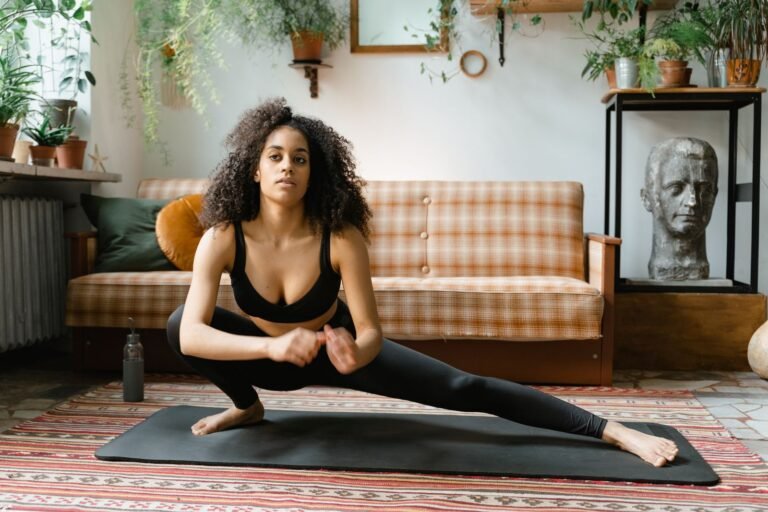
Discover the roots of hatha yoga in the Hatha Yoga Pradipika, learn what a typical class includes, and find out whether this gentle practice suits…
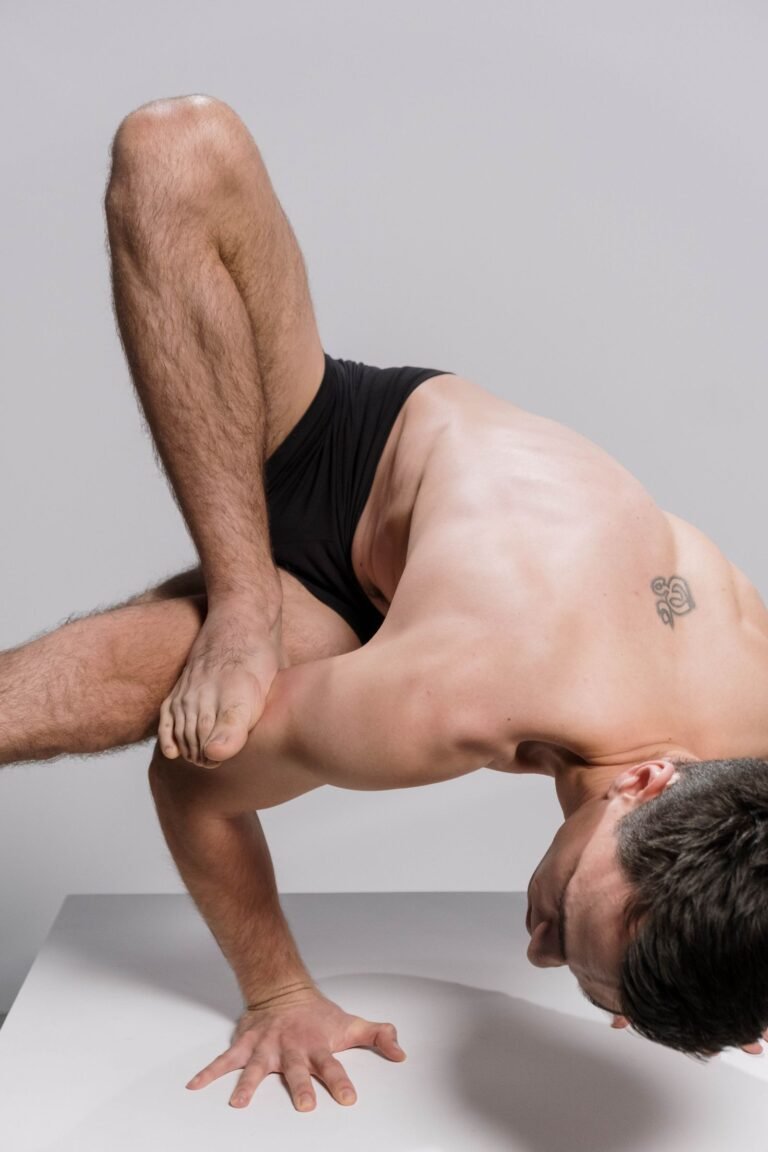
Explore Iyengar yoga, the method developed by B.K.S. Iyengar emphasizing precise alignment, use of props, and therapeutic applications for all levels.
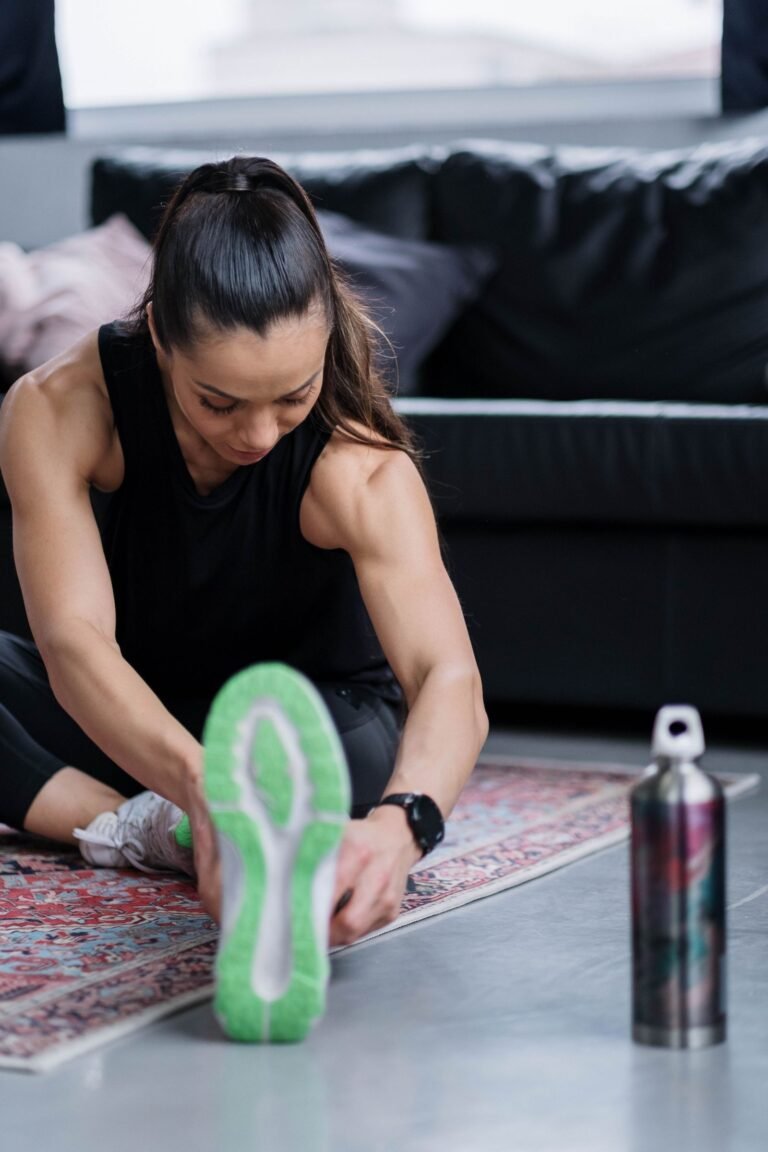
Learn what Bikram and hot yoga involve, the classic 26-posture sequence, heat safety tips, hydration guidance, and how modern hot yoga classes vary.
New to Yoga?
Start with the basics and build a steady, safe practice
Our beginner guide covers your first class, practising at home and how to choose a style and teacher that suit you.