
Yoga Backbends: Safe Poses, Preparation and Counterposes
Backbends are yoga postures that extend the spine and open the chest. This guide covers essential poses, preparation, safety, and counterposes for a balanced backbend practice.
- Home
- Yoga Asanas
- Yoga Backbends
The Role of Backbends in a Yoga Practice
Backbends are a category of yoga postures that arch the spine backward and open the front of the body, including the chest, abdomen, and hip flexors. In Sanskrit, backbends are sometimes called “purvatana” or grouped with “hridya” (heart-opening) postures. These poses range from gentle, supported spinal extension like Sphinx Pose to deep, weight-bearing arches like Wheel Pose. A consistent backbend practice can improve spinal mobility, strengthen the muscles along the back, and encourage an upright, open posture. Because the front body is stretched, many practitioners also notice a sense of energy and uplift after practicing backbends. However, these poses require preparation and mindful alignment to protect the lower back and neck.
Preparing the Body for Backbends
Before attempting backbends, warm up the spine, shoulders, and hip flexors. A short sequence of gentle movements prepares the joints and reduces the risk of strain. Try these preparation exercises:
- Cat-Cow: Move between spinal flexion and extension on hands and knees for 8 to 10 breaths.
- Shoulder rolls and arm circles: Loosen the shoulder girdle and upper back.
- Low lunge with a gentle backbend: Stretch the hip flexors and release the front of the thighs.
- Side bends: Warm the lateral spine and intercostal muscles.
- Gentle spinal twists: Rotate the spine to release tension before extending it.
Always practice on a nonslip mat and avoid forcing any movement. If your spine feels stiff, spend extra time with supported poses and simple mobilizations.
Backbend Pose Overview
| Pose Name | Sanskrit Name | Level | Primary Focus |
|---|---|---|---|
| Cobra Pose | Bhujangasana | Beginner | Gentle spinal extension, chest opening |
| Sphinx Pose | Salamba Bhujangasana | Beginner | Passive backbend, lumbar support |
| Upward Facing Dog | Urdhva Mukha Svanasana | Intermediate | Full spinal extension, arm strength |
| Bridge Pose | Setu Bandha Sarvangasana | Beginner | Hip opening, spinal lift, leg strength |
| Camel Pose | Ustrasana | Intermediate | Deep chest opening, front body stretch |
| Bow Pose | Dhanurasana | Intermediate | Whole back strengthening, shoulder extension |
| Wheel Pose | Urdhva Dhanurasana (Chakrasana) | Advanced | Full spinal extension, shoulder flexion, leg power |
Key Backbend Poses and How to Practice Them
Cobra Pose (Bhujangasana)
Cobra Pose is a foundational backbend that strengthens the spinal muscles while keeping the pelvis grounded. It is an excellent first step for building backbend awareness.
How to practice:
- Lie face down with your legs extended behind you and the tops of your feet pressing into the mat.
- Place your palms under your shoulders, elbows hugging your sides.
- Inhale and press through your hands to lift your chest and head off the floor, keeping your pubic bone and legs grounded.
- Draw your shoulder blades down your back and broaden across your collarbones.
- Hold for 3 to 5 breaths, then release on an exhale.
Alignment cues: Keep your elbows slightly bent, neck long, and lower ribs drawing in to avoid compression in the lumbar spine.
Common mistakes: Lifting too high and crunching the lower back; shrugging shoulders toward the ears; collapsing weight into the hands.
Modifications and props: Practice Baby Cobra by lifting only a few inches. Place a folded blanket under the lower ribs for support.
Cautions: Avoid if you have acute lower back pain, recent abdominal surgery, or pregnancy after the first trimester without guidance.
Sphinx Pose (Salamba Bhujangasana)
Sphinx is a gentle, supported backbend that uses the forearms to lift the chest while the pelvis stays heavy. It is ideal for beginners or as a warm-up for deeper backbends.
- Lie on your belly with your elbows under your shoulders and forearms parallel.
- Press your forearms and palms down, lengthen your tailbone toward your heels, and lift your chest and head.
- Keep your legs active, thighs rolling inward, and gaze forward or slightly down.
- Stay for 5 to 8 breaths, breathing into the front ribs.
Alignment and cautions: Do not let the shoulders creep up to the ears. If your lower back feels compressed, separate your feet slightly or place a folded blanket under your forearms. Avoid Sphinx with existing lower back disc injuries unless cleared by a professional.
Upward Facing Dog (Urdhva Mukha Svanasana)
Upward Dog is a more active backbend that lifts the thighs and pelvis off the floor, requiring arm and core strength. It often follows Chaturanga in vinyasa sequences.
- From a low push-up position, press your hands firmly and roll over your toes so the tops of your feet rest on the mat.
- Straighten your arms fully, lift your thighs and knees off the floor, and open your chest forward and up.
- Keep your shoulders directly over your wrists, legs engaged, and spine extending evenly.
- Hold for 2 to 4 breaths, then lower down or move to Downward Facing Dog.
Common mistakes: Letting the shoulders go beyond the wrists; sagging in the lower back; hyperextending the neck. Modify by keeping knees on the floor or practicing Cobra instead if wrist or lower back issues arise.
Bridge Pose (Setu Bandha Sarvangasana)
Bridge Pose is a supine backbend that strengthens the glutes, hamstrings, and spinal muscles while gently stretching the chest and hip flexors. It is accessible for most practitioners.
- Lie on your back with your knees bent and feet hip-width apart, heels close to your sitting bones.
- Press your feet and arms into the floor, inhale, and lift your hips toward the ceiling.
- Roll your shoulders under, interlace your fingers beneath your back if comfortable, and press your arms down.
- Keep your knees tracking over your ankles and your chin slightly tucked. Hold for 3 to 6 breaths, then lower slowly.
Alignment cues: Avoid letting the knees splay outward. Engage your inner thighs and lift through the sternum rather than just the pelvis.
Modifications: Place a yoga block under the sacrum for a restorative version; keep arms alongside the body if shoulder mobility is limited.
Cautions: Avoid if you have recent neck injury; use a folded blanket under the shoulders if needed. Skip in late pregnancy unless advised.
Camel Pose (Ustrasana)
Camel Pose is a deep kneeling backbend that opens the entire front body, from the ankles to the throat. It requires good spinal awareness and hip stability.
- Kneel with your knees hip-width apart, thighs perpendicular to the floor, and toes tucked or untucked.
- Place your hands on your lower back, fingers pointing down, and draw your elbows toward each other.
- Inhale, lift your chest, and begin to lean back, keeping your hips over your knees.
- If comfortable, reach one hand at a time to your heels, or keep hands on your lower back.
- Lift your chest toward the ceiling, drop your head back only if the neck feels safe, and breathe for 2 to 4 breaths.
- To exit, bring hands to hips and use your core to rise, leading with the chest.
Common mistakes: Letting hips shift back; compressing the lower back; forcing the neck. Use a wall or chair for support if new to the pose.
Cautions: Avoid with high or low blood pressure that is uncontrolled, severe lower back pain, or neck issues. Practice under guidance during pregnancy.
Bow Pose (Dhanurasana)
Bow Pose combines backbending with shoulder and quadriceps opening. It strengthens the entire back body while stretching the front body.
- Lie face down with your arms alongside your body, palms up.
- Bend your knees and reach back to hold your ankles with your hands.
- Inhale and kick your feet into your hands to lift your chest and thighs off the floor.
- Keep your knees no wider than your hips and gaze forward or slightly up.
- Hold for 3 to 5 breaths, then release and rest on your belly.
Alignment cues: Distribute the backbend evenly through the whole spine. Avoid pulling the feet toward the glutes with excessive force.
Modifications: Use a strap around the ankles if you cannot reach them; practice Half Bow by lifting one side at a time.
Cautions: Not recommended during pregnancy, with hernia, recent abdominal surgery, or significant lower back injury.
Wheel Pose (Urdhva Dhanurasana or Chakrasana)
Wheel Pose is an advanced, full-body backbend that demands shoulder flexibility, spinal extension, and leg strength. It is traditionally considered a peak backbend.
- Lie on your back, bend your knees, and place your feet flat near your sitting bones.
- Place your hands beside your ears, fingers pointing toward your shoulders, elbows pointing up.
- Press into your hands and feet, lift your hips, then straighten your arms as much as possible to come onto the crown of your head first if needed.
- Continue pressing to lift your head off the floor and extend your arms fully.
- Keep your feet parallel and knees from splaying. Hold for 3 to 5 breaths, then lower carefully by tucking your chin and bending your elbows.
Common mistakes: Letting knees drift outward; compressing the lower back; forcing the shoulders past their range. Build up with Bridge and Upward Dog first.
Modifications: Use blocks under the hands or feet to reduce range; practice at a wall with an instructor.
Cautions: Avoid Wheel with wrist injuries, glaucoma, uncontrolled high blood pressure, spinal disc issues, or during pregnancy. Always practice under guidance when learning.
Counterposes for Backbends
After backbending, it is essential to return the spine to a neutral or forward-bent position to release any residual tension and balance the nervous system. Practice these counterposes after your backbend sequence:
- Child’s Pose (Balasana): Gently rounds the back and releases the lower spine.
- Knees-to-Chest Pose: Lying on your back, hug both knees to your chest and rock side to side.
- Supine spinal twist: Lying down, drop both knees to one side while keeping shoulders grounded.
- Standing Forward Fold: Bending forward from the hips with soft knees to lengthen the back body.
- Happy Baby Pose: Lying on your back, hold the outer edges of your feet and gently draw the knees toward the armpits.
Hold each counterpose for 5 to 10 breaths. Avoid moving directly from deep backbends into another intense backbend without a release.
Safety Notes and When to Be Careful
Backbends are generally safe when practiced mindfully, but they are not appropriate for everyone in every phase of life. Always listen to your body and stop if you feel sharp pain, numbness, tingling, or dizziness. These poses require gradual progression, especially for the lumbar spine and cervical spine. For a general overview of the category, see this overview on backbends.
- Lower back sensitivity: If you have a history of disc herniation, spondylolisthesis, or chronic low back pain, avoid deep backbends or practice only with professional guidance and props.
- Neck issues: Keep the neck neutral in poses like Cobra and Upward Dog unless your neck is comfortable; avoid dropping the head back in Camel or Wheel if you have cervical spine concerns.
- Pregnancy: Backbends that compress the abdomen or require lying on the belly should be modified or avoided. Consult a prenatal yoga instructor.
- Blood pressure and eye conditions: People with uncontrolled high blood pressure, glaucoma, or recent eye surgery should approach inverted or head-below-heart backbends with caution and seek medical advice.
- Wrist and shoulder injuries: Weight-bearing backbends like Upward Dog and Wheel may aggravate wrist or shoulder problems. Use props or choose non-weight-bearing alternatives like Sphinx.
This article is for general information and does not replace individualized advice from a qualified yoga teacher or healthcare provider.
Continue Your Yoga Journey
Explore more foundational poses and sequences to support your practice:
- Browse a complete library of yoga asanas with detailed instructions for all levels.
- Build strength and stability with standing yoga poses, which help prepare the legs and core for backbends.
- Practice forward bending poses as gentle counterposes and to balance spinal movements.
Keep Reading
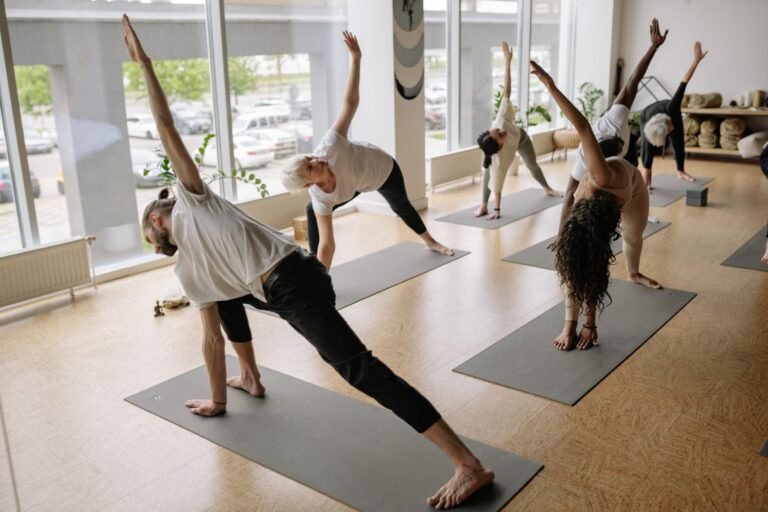
Learn foundational standing yoga poses with step-by-step instructions, alignment cues, and safety tips. From Mountain to Warrior III and Crescent…
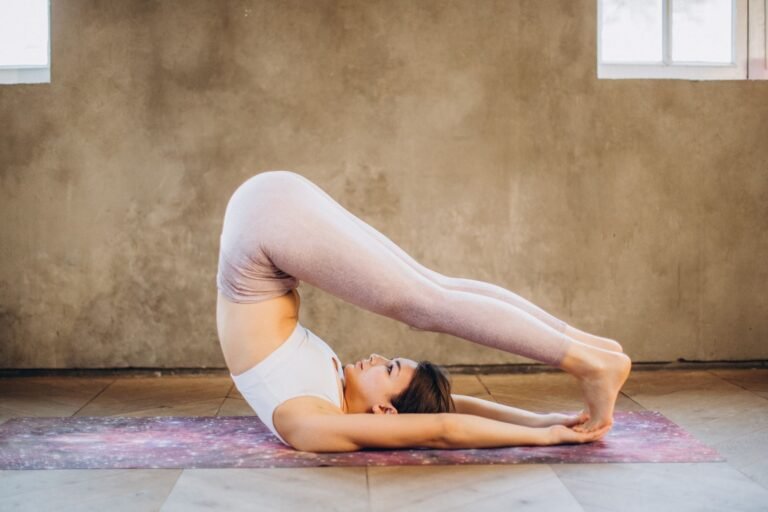
Learn safe forward bending poses: Paschimottanasana, Uttanasana, Janu Sirsasana, Prasarita Padottanasana and Child's Pose with alignment and spine…
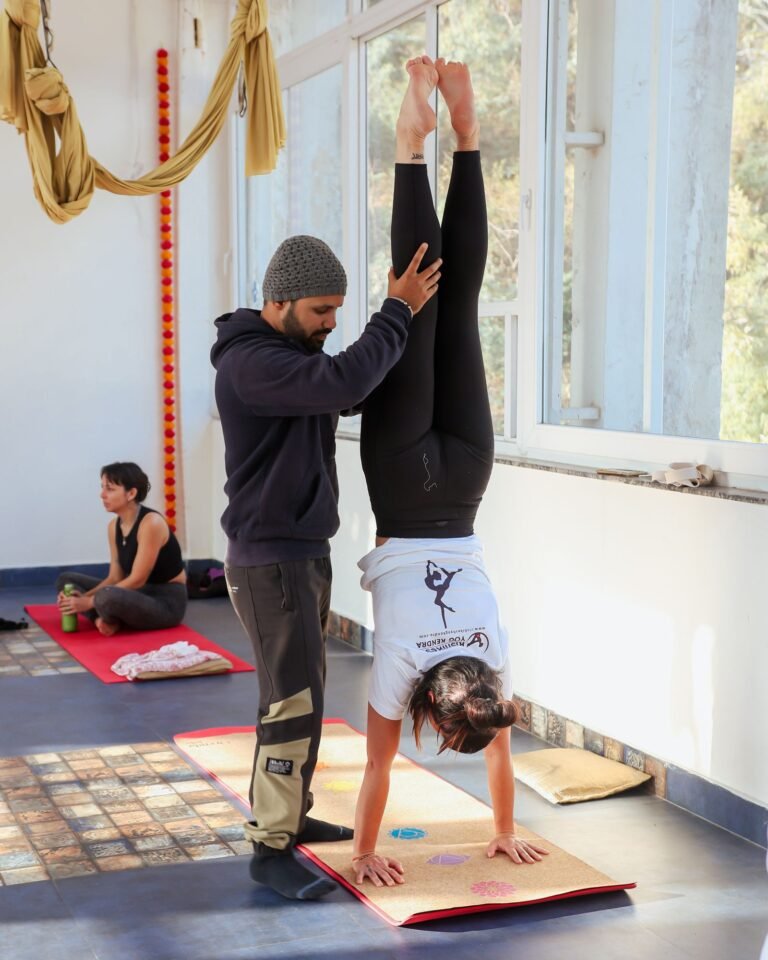
Learn safe yoga inversions from Downward Dog to Headstand. Step-by-step instructions, modifications, props, and contraindications for all levels.
New to Yoga?
Start with the basics and build a steady, safe practice
Our beginner guide covers your first class, practising at home and how to choose a style and teacher that suit you.