
Yoga Asanas: A Guide to the Poses
Learn what yoga asanas are, how they evolved, and how to practice them safely. Discover the major pose families and find guidance for your own practice.
- Home
- Yoga Asanas
Explore
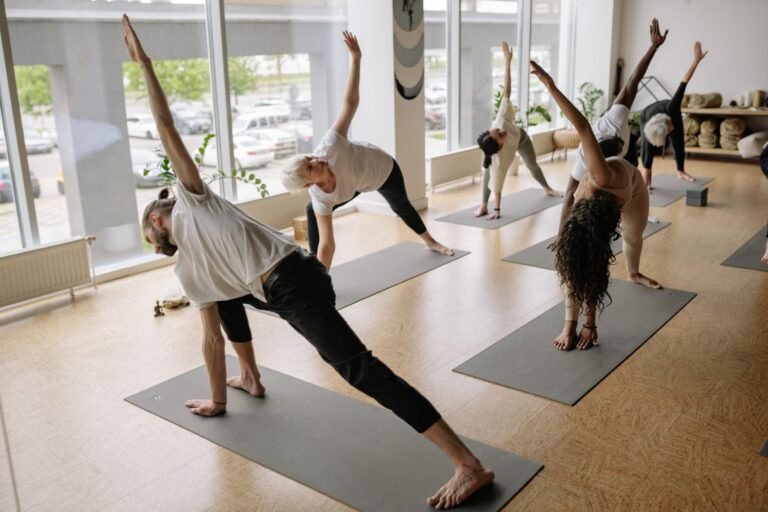
Build strength, stability, and confidence with foundational standing postures like Warrior and Triangle.
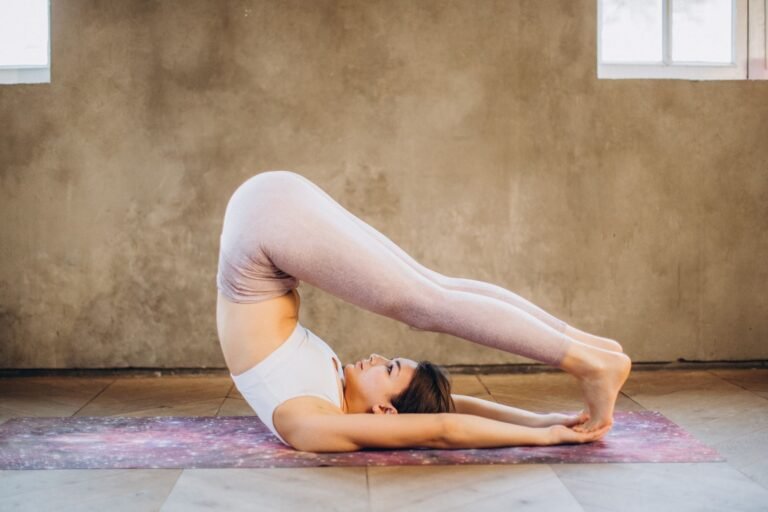
Calm the mind and stretch the back body with seated and standing forward folds.
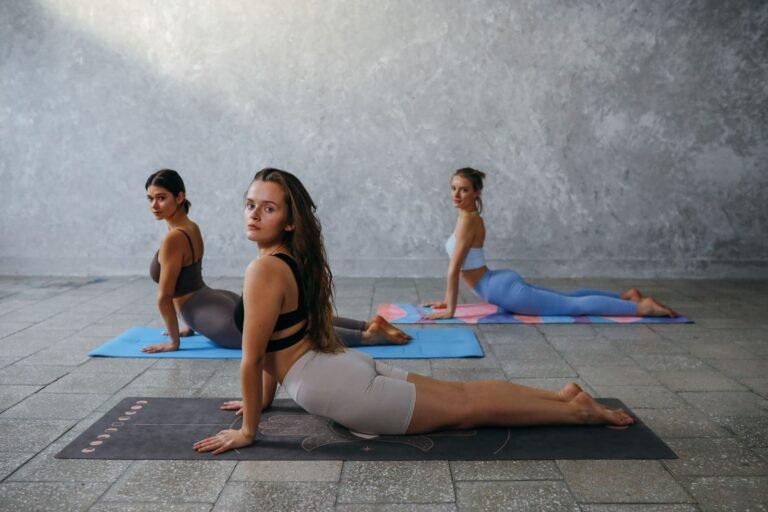
Open the chest and energize the body with heart-opening backbends, from gentle Cobra to full Wheel.
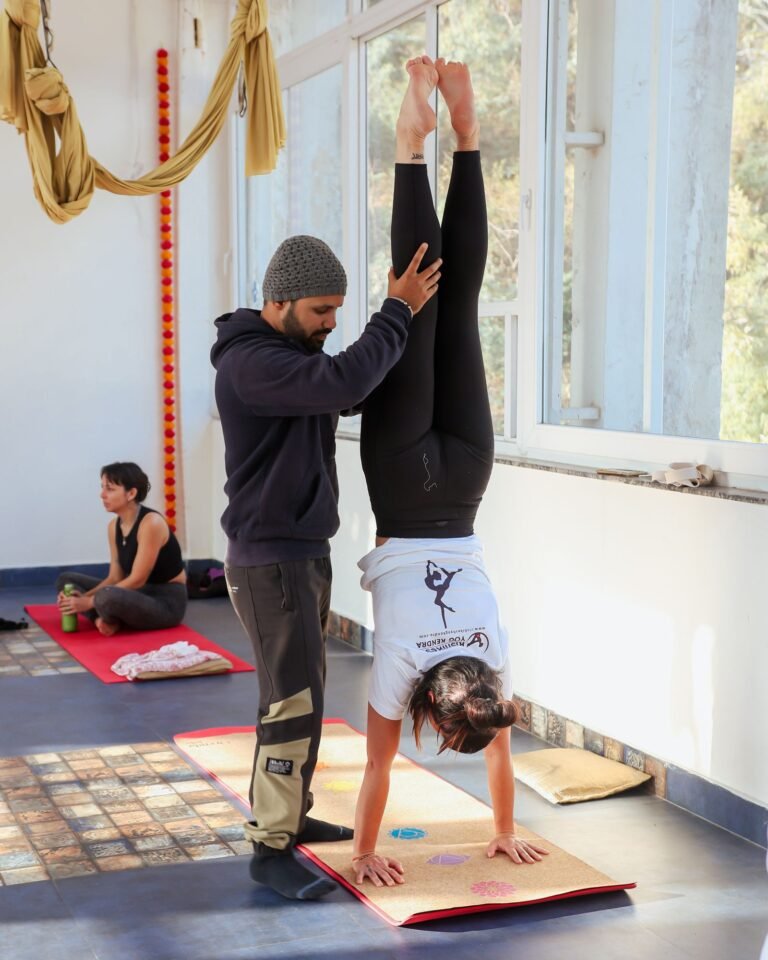
Learn safe techniques for going upside down, including Headstand, Shoulderstand, and Handstand.
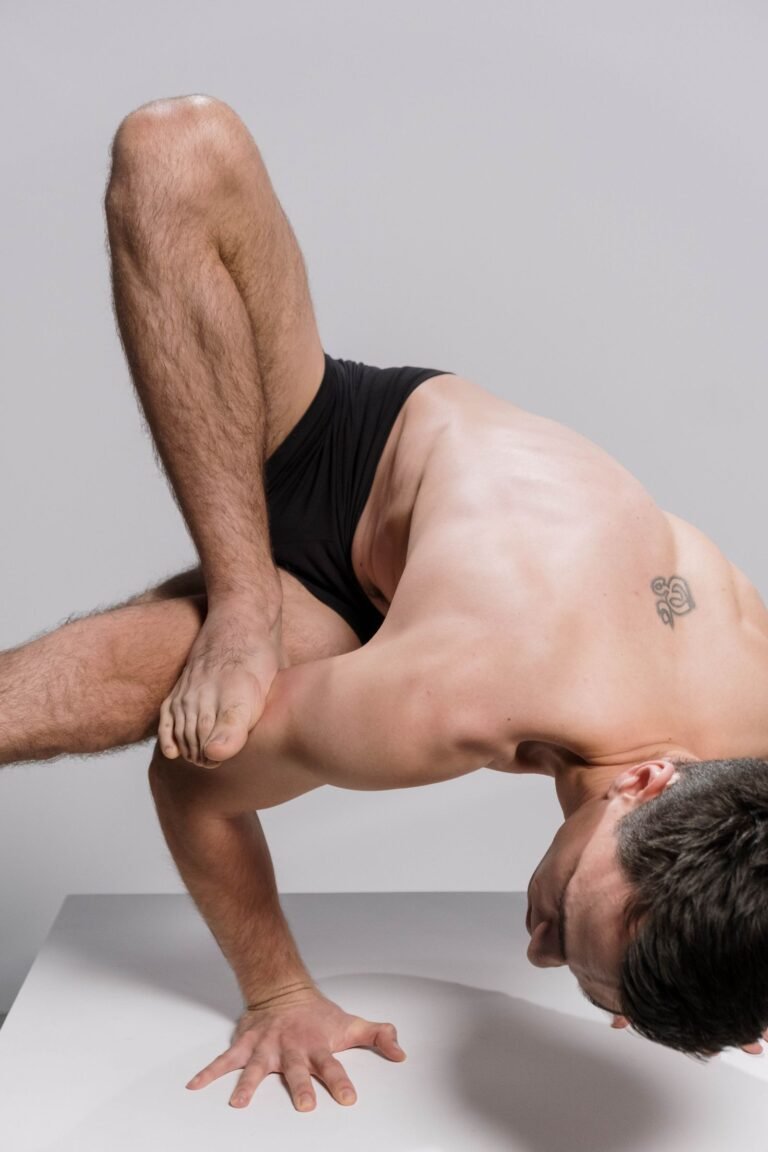
Challenge your strength and focus with arm balances like Crow and Side Plank.
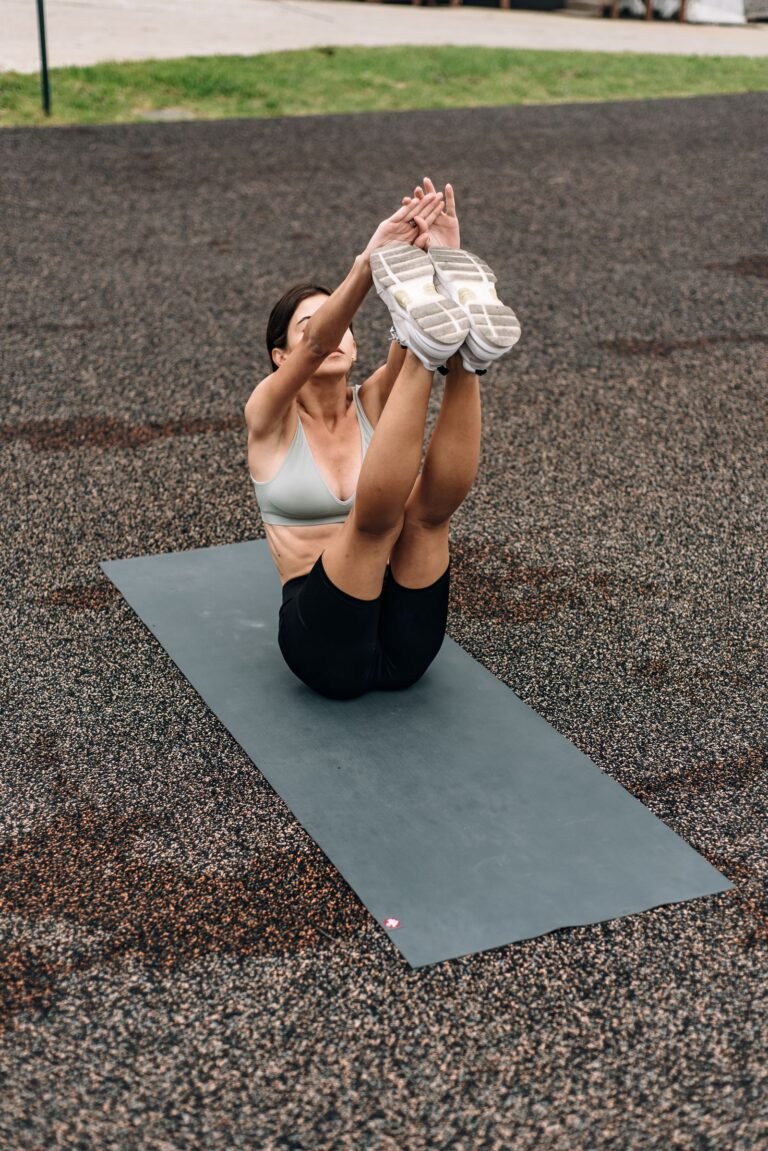
Strengthen your core with poses that target the abdominals, obliques, and lower back.
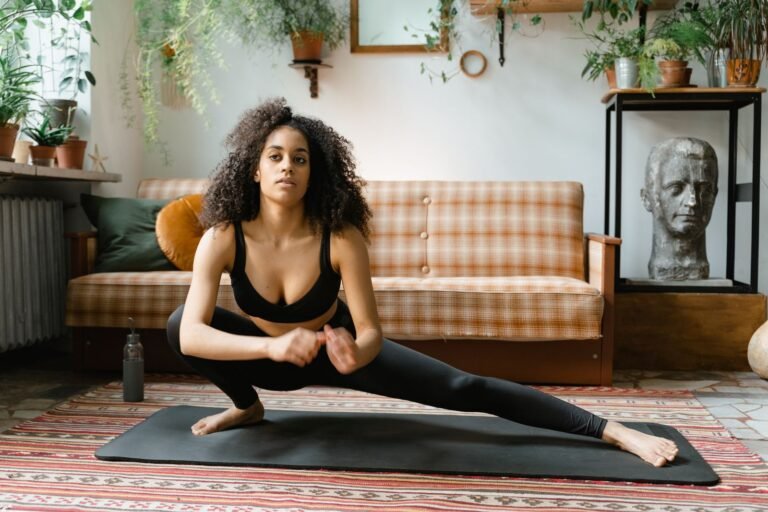
Improve flexibility and spinal mobility with seated postures and gentle twists.

Relax and restore with supported, passive poses designed to calm the nervous system.
What Are Yoga Asanas?
Yoga asanas are the physical postures practised in yoga. The Sanskrit word asana originally meant “seat” and referred to the seated position used for meditation. In the classical yoga system outlined by Patanjali around 2,000 years ago, asana is the third of the eight limbs, following ethical conduct and personal observances. Today, the term covers a wide range of postures, from simple seated folds to complex arm balances and inversions, but the original intention remains: to steady the body and mind for deeper practice. Although contemporary classes often emphasize physical fitness, the deeper aim of asana remains the cultivation of inner stillness.
A Brief History of Yoga Asanas
Ancient yoga texts such as the Hatha Yoga Pradipika (15th century) described only a handful of postures, mostly seated. The explosion of asana variety came in the 20th century, influenced by Indian teachers like T. Krishnamacharya, B.K.S. Iyengar, and Pattabhi Jois, who blended traditional practice with physical culture. Their innovations shaped modern yoga styles, from athletic vinyasa flows to precise alignment-based hatha classes. For a detailed historical timeline, visit Wikipedia’s article on asana.
The Purpose of Asanas
Traditionally, asanas were used to prepare the body for long periods of seated meditation by promoting flexibility, strength, and endurance. They were also believed to influence the flow of prana, or life energy, through the body. In modern practice, people often turn to asanas for physical fitness, stress relief, and overall wellbeing. Regardless of the goal, the mindful movement of asana practice helps cultivate body awareness and mental focus.
How to Practise Safely
Asanas are generally safe when practised with awareness and proper alignment, but it is essential to respect your body’s limits. Follow these guidelines to reduce risk:
- Warm up with gentle movements before attempting deeper stretches or inversions.
- Use props such as blocks, straps, and blankets to support your body.
- Never force a pose; sharp pain is a signal to back off.
- Keep your breath smooth and steady; avoid holding your breath.
- If you have a medical condition, injury, or are pregnant, consult your doctor and a qualified yoga instructor before starting.
Inversions, in particular, should be avoided if you have high blood pressure, glaucoma, or neck problems unless cleared by a healthcare professional.
A qualified instructor can help you understand alignment cues and modifications for your body. Remember that progress in asana practice is gradual; honoring where you are today is more important than achieving a “perfect” shape.
The Main Families of Asanas
Asanas are typically grouped into families based on body position and energetic effect. This site explores eight major families: standing poses, forward bends, backbends, inversions, arm balances, core-focused poses, seated and twisting poses, and restorative poses. Each family has its own guide with detailed instructions and safety tips, linked below.
Benefits of Regular Practice
Regular asana practice can lead to improved flexibility, strength, balance, posture, and body awareness. Many practitioners also report reduced stress and better focus. These benefits are best realized through consistent, mindful practice over time, not through forcing the body into extreme positions.
The Role of Breath in Asana Practice
In yoga, asana and breath are intimately linked. Traditionally, each movement is coordinated with an inhalation or exhalation, which helps maintain focus and calm the nervous system. Even in static holds, steady breathing keeps the mind anchored and prevents strain. Over time, this breath-body connection deepens your awareness and supports the meditative aspects of yoga.
Getting Started with Asanas
If you are new to yoga, start with a beginner-friendly class, either in person or online, to learn foundational poses and alignment. Practise two or three times a week to build a habit. Even ten minutes a day can make a difference. Be patient: progress in yoga is measured not by how deep you go into a pose, but by how present you are in it.
Explore Pose Families
Ready to dive deeper? Visit our detailed guides on each family: