
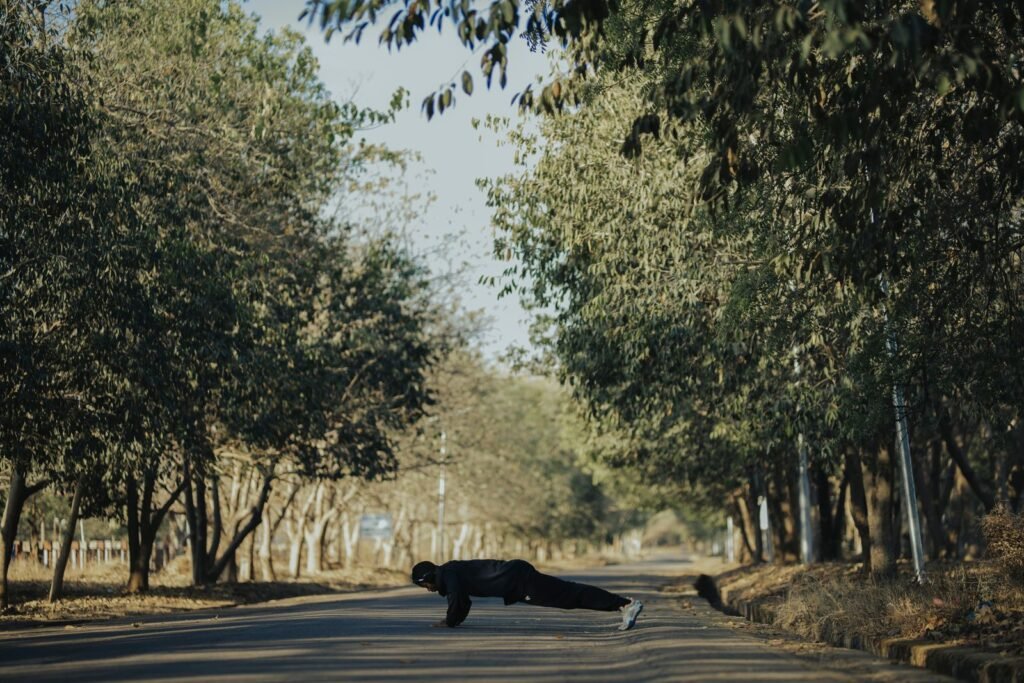
If you have ever thought that yoga is too slow, too spiritual, too bendy, or simply not for people like you, this guide is for you. Yoga has a reputation that can feel exclusive or off-putting, especially if you prefer straightforward exercise or you doubt the hype. The truth is that yoga is a broad set of physical and mental practices, and you can approach it in a way that suits your personality and goals. This article addresses common objections with honest answers and offers a gentle four-week plan to help you start without forcing yourself into poses that feel impossible or adopting a new belief system.
Common Objections, Honest Answers
Many sceptics share similar concerns. Here are the most frequent objections and what yoga actually involves, without the mystical sales pitch.
I am not flexible enough
You do not need to touch your toes to start yoga. Flexibility is a result of practice, not a prerequisite. Yoga poses (asanas) can be adapted with props like blocks, straps, and folded blankets to make them accessible at any level of stiffness. A good teacher will offer modifications, and you will gradually gain range of motion over weeks and months, not days. The goal is not to become a contortionist but to move your body safely through a range of positions that build strength, balance, and mobility.
Yoga is too slow and boring
Some styles, such as restorative or yin yoga, are deliberately slow and quiet. But that is only one part of the yoga world. Vinyasa and power yoga can be quite athletic and dynamic, linking breath with movement at a pace that gets your heart rate up. Even a standard hatha class can be moderately challenging. If you crave intensity, choose a class or video labelled ‘power’ or ‘vinyasa’ rather than ‘gentle’ or ‘restorative’. You can also use yoga as a complement to your existing workouts, focusing on mobility and recovery on rest days.
It is not a real workout
Yoga can build strength, especially in the core, arms, legs, and back. Poses like plank, chair, warrior sequences, and balances require sustained muscle engagement. While it may not burn as many calories as running or cycling, yoga improves functional strength, balance, and body awareness, which can enhance your performance in other activities. Many athletes use yoga to prevent injury and improve mobility. It is not a replacement for cardiovascular exercise for everyone, but it is a legitimate form of physical training when practiced regularly.
It is too spiritual or woo-woo
Modern postural yoga, especially in Western fitness settings, often focuses on the physical practice with minimal spiritual language. You can ignore references to energy, chakras, or Sanskrit if they do not resonate. The breathing exercises (pranayama) and brief meditation at the end are optional but can help with stress and focus. If you prefer a purely physical approach, look for classes described as ‘yoga for athletes’, ‘power yoga’, or ‘fitness yoga’. You will not be forced to chant or adopt any belief system.
I do not have time
You do not need 90 minutes a day. Even 10 to 15 minutes of simple poses in the morning or evening can make a difference. The four-week plan below starts with just 10 minutes per session. Consistency matters more than duration. You can also practice at home with free online videos, which removes the time and cost of travelling to a studio.
What to Expect in a Beginner Yoga Session
A typical beginner class lasts 45 to 60 minutes. It usually begins with a short centering or breathing exercise, moves through a series of standing, seated, and lying poses, and ends with a few minutes of relaxation in savasana (corpse pose). The teacher will demonstrate poses and may offer hands-on adjustments (always with your permission). You should wear comfortable clothing that allows movement, and you can practice barefoot on a yoga mat or a non-slip surface. Props are not a sign of weakness; they are tools to help you align safely.
- Comfortable, stretchy clothing that does not restrict movement
- A yoga mat or a non-slip surface
- Optional: a towel, water bottle, and props like blocks or a strap (many studios provide these)
A Gentle 4-Week Start Plan
This plan is designed for absolute beginners who are sceptical and short on time. Each week adds a little more variety and duration. Aim for three sessions per week, but even two is a start. Always listen to your body and stop if you feel sharp pain (not the same as a mild stretch or muscle fatigue).
Week 1: Just Show Up (10 minutes per session)
Start with the most basic movements to build familiarity and confidence. Focus on breathing and moving gently.
- Child’s pose (balasana) for 1 minute
- Cat-cow stretch for 1 minute (10 slow rounds)
- Downward-facing dog for 1 minute (bend knees as needed)
- Mountain pose (tadasana) for 1 minute, focusing on posture
- Standing forward fold (uttanasana) for 1 minute with bent knees
- Easy seated twist for 1 minute each side
- Savasana (lying on your back) for 2 minutes
Week 2: Add Standing Poses (15 minutes per session)
Introduce simple standing poses to build strength and balance. Use a wall or chair for support if needed.
- Repeat Week 1 sequence as warm-up (5 minutes)
- Warrior I (virabhadrasana I) for 30 seconds each side
- Warrior II (virabhadrasana II) for 30 seconds each side
- Triangle pose (trikonasana) for 30 seconds each side (use a block under hand)
- Tree pose (vrksasana) for 20 seconds each side (hold onto wall)
- End with savasana for 3 minutes
Week 3: Build a Flow (20 minutes per session)
Link poses together with breath to create a gentle flow. Move slowly and pause when needed.
- Start with 3 rounds of cat-cow and 3 breaths in downward-facing dog
- Step forward to standing forward fold, then rise to mountain
- Flow from mountain to chair pose (utkatasana) for 5 breaths, then back to mountain
- Step back to plank pose, lower to knees-chest-chin, then to cobra or upward-facing dog (modify as needed), then back to downward-facing dog
- Repeat this mini-flow 3 times at your own pace
- Add low lunge (anjaneyasana) for 30 seconds each side
- Finish with seated forward fold (paschimottanasana) for 1 minute and savasana for 4 minutes
Week 4: Customise and Sustain (20 to 25 minutes per session)
Now you have a base. Choose poses you enjoy and add one or two new ones each week. You can also start exploring online beginner videos or a local class with a qualified instructor to refine your alignment.
- Begin with 5 minutes of your favourite warm-up poses
- Choose 2 standing poses, 2 seated poses, and 1 balance pose
- Hold each for 30 seconds to 1 minute, breathing steadily
- Add bridge pose (setu bandha sarvangasana) for 1 minute to strengthen the back
- Finish with legs-up-the-wall pose (viparita karani) for 3 minutes if you have time, then savasana for 3 minutes
Safety and Modifications
Yoga is generally safe for most people when practiced with awareness, but it is not risk-free. If you have an injury, a medical condition, or you are pregnant, consult your doctor before starting. People with high blood pressure, glaucoma, or neck problems should avoid inversions and certain positions; a qualified yoga teacher can suggest modifications. Always work within a pain-free range; discomfort from stretching is normal, but sharp pain, numbness, or dizziness means you should stop. Use props liberally, and do not compare yourself to others in the class. The practice is about your own body, not achieving a picture-perfect pose.
For further guidance on safe physical activity, you can refer to the NHS exercise guidelines.
Building a Sustainable Practice
Consistency beats intensity, especially for sceptics. Here are a few tips to keep going after the initial weeks:
- Set a realistic schedule: two or three times a week is enough to see progress.
- Keep your mat visible as a reminder.
- Use an app or video channel you like, but do not overthink the choice.
- Track how you feel after each session, not just what you achieved.
- Be patient: flexibility, strength, and mental calm develop over months, not days.
- If you miss a week, simply start again; no guilt required.
Related Articles on About Yoga
Ready to explore specific pose categories? These related guides will help you deepen your practice safely and effectively: