
Forward Bending Yoga Poses: A Complete Guide to Safe Folding
Forward bending yoga poses stretch the back of the body and calm the mind. This guide covers safe technique for Paschimottanasana, Uttanasana, Janu Sirsasana, Prasarita Padottanasana and Child's Pose.
- Home
- Yoga Asanas
- Forward Bending Yoga Poses
Forward bending yoga poses are among the most accessible and deeply calming postures in a hatha yoga practice. These folds hinge at the hips and lengthen the entire back line of the body, from the calves and hamstrings to the spine and neck.
What Are Forward Bending Yoga Poses?
A forward bend is any asana in which the torso moves toward the thighs or the floor in front of you. The movement can come from standing, seated, or kneeling positions. The key action is not collapsing the chest toward the knees but tilting the pelvis forward while keeping the spine long. In most forward bends, the hamstrings and glutes lengthen, the back muscles relax, and the mind settles.
Forward bends are often classified as calming poses because they turn the attention inward and quiet the nervous system. They are practiced at all levels, with beginners using props and experienced practitioners refining the subtle actions of the pelvis, ribs, and breath.
Benefits of Forward Bends
Regular practice of forward bending yoga poses offers several benefits when approached with patience and proper alignment:
- Stretches the hamstrings, calves, and gluteal muscles
- Lengthens the erector spinae and releases tension in the lower back
- Encourages a full exhale, which supports relaxation
- Improves flexibility of the hip joints and posterior chain
- Creates a quiet, introspective state of mind
These benefits accumulate over time. Forward bends are not about touching the toes; they are about how you move the pelvis and maintain length in the spine.
Safety Notes and Spine Care
Forward bending can strain the lower back if the spine is forced to round excessively. To protect the lumbar spine, always initiate the movement from the hip joints rather than the waist. Bend the knees as much as needed in standing folds, and use a folded blanket under the sitting bones in seated folds.
- If you have a herniated disc, spinal stenosis, or acute low back pain, consult a qualified yoga instructor or healthcare provider before practicing deep forward bends.
- During menstruation or pregnancy, avoid deep forward folds or practice only gentle, supported variations with a teacher’s guidance.
- If you have high blood pressure, avoid holding the head below the heart for long periods in poses like Prasarita Padottanasana or Uttanasana.
- Never force a stretch. A mild to moderate sensation in the back of the legs is normal; sharp pain or tingling is a signal to back off.
For general exercise safety, the UK National Health Service offers practical advice on stretching and physical activity (NHS guidance).
Key Forward Bending Poses
Paschimottanasana (Seated Forward Bend)
Paschimottanasana, or Seated Forward Bend, is the archetypal seated forward fold. The name comes from Sanskrit: paschima means west or back of the body, uttana means intense stretch, and asana means pose. In traditional hatha yoga, the west side of the body refers to the entire back, from the heels to the crown of the head. This posture is described in classic texts and remains a benchmark for hamstring and spine flexibility.
Step-by-step instructions:
- Sit on the floor with both legs extended straight in front of you. Press the sitting bones down and lengthen the spine upward.
- Flex the feet so the toes point toward the ceiling. Keep the quadriceps engaged to protect the knees.
- Inhale and raise both arms overhead, stretching the sides of the body.
- Exhale and hinge forward from the hip joints, not the waist. Keep the chest open and the spine long.
- Reach the hands toward the shins, ankles, or feet, depending on your flexibility. If you cannot reach comfortably, use a yoga strap around the soles of the feet.
- On each inhale, lengthen the front body. On each exhale, release the belly and chest a little closer to the thighs.
- Keep the neck relaxed and the gaze toward the legs or feet. Hold for 5 to 10 steady breaths.
- To release, inhale and slowly lift the torso back to vertical with a long spine.
Alignment cues:
- Anchor the sitting bones down and back; do not let them tuck under.
- Lead with the sternum, not the nose.
- Keep the shoulders away from the ears and the elbows bent if needed.
- Maintain a gentle lift through the lower back; avoid collapsing into a deep C-curve.
- Draw the lower belly in slightly to support the lumbar spine.
Hamstring and spine safety: The hamstrings attach to the sitting bones. When the pelvis tilts forward, the hamstrings lengthen. If the pelvis stops tilting and you continue reaching the arms, the spine rounds. This can strain the lumbar discs, especially if you pull yourself forward with the arms. To work safely, bend the knees slightly in the seated version if the hamstrings are tight, and place a folded blanket under the sitting bones to increase pelvic tilt. The goal is a long spine, not a deep fold.
Props and modifications: Sit on the edge of one or two folded blankets. Loop a strap around the feet and hold it with straight arms. Place a bolster or rolled blanket on the shins to rest the head if the torso does not reach the legs. For a restorative variation, practice with legs apart and a bolster under the chest.
Common mistakes:
- Rounding the back to touch the toes
- Locking the knees and hyperextending them
- Pulling with the arms instead of hinging from the hips
- Holding the breath or straining the neck
Cautions: Avoid deep forward bending with acute low back injury, sciatica, or hamstring strain. If you feel a sharp pain near the sitting bone, stop and rest. Pregnant students and those with recent abdominal surgery should practice only a wide-legged, supported variation under guidance. For traditional references, see the Wikipedia article on Paschimottanasana.
Uttanasana (Standing Forward Bend)
Uttanasana translates to intense stretch pose. From standing, the torso folds forward over the legs. This pose releases the spine, stretches the hamstrings and calves, and calms the mind.
How to practice:
- Stand in Tadasana with feet hip-width apart or together. Ground the four corners of the feet.
- Inhale and sweep the arms overhead. Exhale and hinge from the hips, keeping the spine long as you fold forward.
- Bend the knees generously to bring the belly toward the thighs. Let the head and arms hang heavy.
- Hold opposite elbows or place the hands on the floor, blocks, or shins.
- On each inhale, lengthen the spine; on each exhale, soften deeper into the fold. Stay for 5 to 8 breaths.
- To release, place the hands on the hips, press the feet down, and inhale to rise with a flat back.
Alignment cues: Shift weight slightly into the balls of the feet. Keep the hips stacked over the ankles. Do not lock the knees. Soften the neck and jaw. If the lower back feels strained, bend the knees more and rest the chest on the thighs. For high blood pressure, keep the head above the heart or practice a half forward bend with hands on a wall.
Janu Sirsasana (Head-to-Knee Pose)
Janu Sirsasana is an asymmetric seated forward bend. One leg extends straight, and the other knee bends with the sole of the foot against the inner thigh. The torso folds forward over the extended leg, creating a deep stretch in the hamstrings and a gentle twist through the spine and hips.
How to practice:
- Sit with both legs extended. Bend the right knee and place the sole of the right foot against the left inner thigh. Let the right knee rest toward the floor; if it lifts, support it with a folded blanket.
- Square the hips as much as possible by turning the torso toward the extended left leg.
- Inhale to lengthen the spine, then exhale to hinge forward from the hips over the left leg.
- Hold the left shin, ankle, or foot, or use a strap around the left foot.
- Lead with the chest and keep the left foot flexed. Hold for 5 to 8 breaths, then repeat on the other side.
Alignment cues: The bent knee may not reach the floor; that is normal. Keep the extended leg’s thigh pressing down. Avoid twisting the torso away from the extended leg; rotate the ribs slightly toward the knee as you fold. If the hamstring feels tight, bend the extended knee a little and sit on a blanket.
Prasarita Padottanasana (Wide-Legged Standing Forward Bend)
Prasarita Padottanasana is a standing wide-legged forward fold. The feet are set wide apart, and the torso folds forward and down between the legs. This pose stretches the hamstrings, adductors, and spine while providing a mild inversion that can feel energizing.
How to practice:
- Stand and step the feet wide apart, about one leg’s length. Turn the toes slightly inward and the heels slightly outward, or keep the feet parallel.
- Place the hands on the hips. Inhale to lift the chest and lengthen the spine.
- Exhale and hinge forward from the hips, keeping the spine long. Place the hands on the floor under the shoulders, or use blocks.
- Walk the hands back until the wrists align with the ankles. Keep the inner arches lifting.
- Optionally, take the hands to the waist, then fold deeper and hold the big toes with the first two fingers, or clasp the hands behind the back and let them fall overhead.
- Hold for 5 to 8 breaths. To release, place the hands on the hips, press the feet down, and inhale to rise with a flat back.
Alignment cues: Press the outer edges of the feet down. Keep the knees soft, not locked. Let the head hang heavily without compressing the neck. If you have high blood pressure or glaucoma, keep the head above the heart or avoid this pose. If you have hamstring strain, keep a generous bend in the knees.
Child’s Pose (Balasana)
Child’s Pose is a resting forward fold, often used as a counterpose or a place of refuge during a practice. Balasana gently stretches the hips, thighs, and ankles while calming the nervous system. It is suitable for most bodies and can be adapted with props.
How to practice:
- Kneel on the floor with the big toes touching and the knees together or slightly apart, whichever is more comfortable.
- Sit back toward the heels. Exhale and fold the torso forward between or over the thighs.
- Rest the forehead on the floor or a block. Extend the arms forward with palms down, or rest the arms alongside the body with palms up.
- Breathe slowly into the back of the ribs. Stay for 1 to 3 minutes or longer as a rest.
- To release, press the hands into the floor and inhale to walk the torso upright.
Alignment cues: If the sitting bones do not reach the heels, place a folded blanket between the calves and thighs. If the knees are sensitive, use additional padding under the knees. If the head does not reach the floor, place a block or bolster under the forehead. For pregnancy or larger bodies, take the knees wider apart to make space for the belly.
Summary Table of Forward Bending Poses
| Pose Name | Sanskrit Name | Level | Primary Focus |
|---|---|---|---|
| Seated Forward Bend | Paschimottanasana | Intermediate | Hamstrings, spine, nervous system |
| Standing Forward Bend | Uttanasana | Beginner | Hamstrings, calves, spine release |
| Head-to-Knee Pose | Janu Sirsasana | Beginner to Intermediate | Hamstrings, hip opening, mild twist |
| Wide-Legged Standing Forward Bend | Prasarita Padottanasana | Intermediate | Hamstrings, adductors, mild inversion |
| Child’s Pose | Balasana | Beginner | Hips, thighs, rest and recovery |
Related Practices on About Yoga
Forward bends pair well with other pose families. Explore these guides to build a balanced practice:
Keep Reading
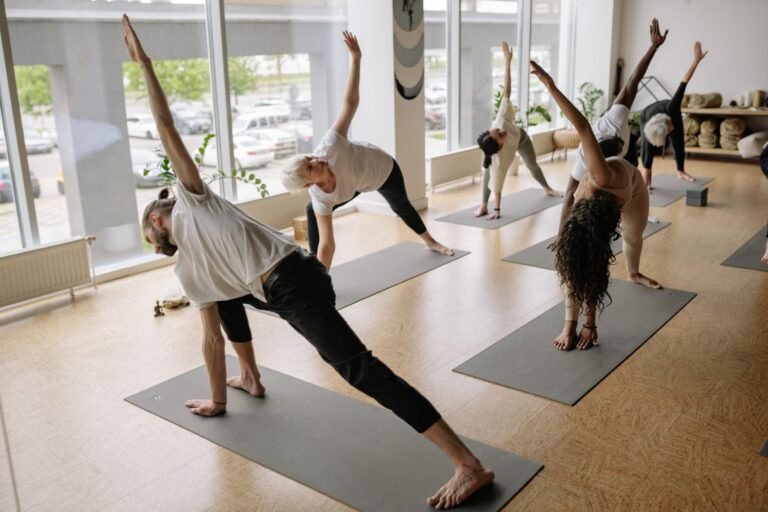
Learn foundational standing yoga poses with step-by-step instructions, alignment cues, and safety tips. From Mountain to Warrior III and Crescent…
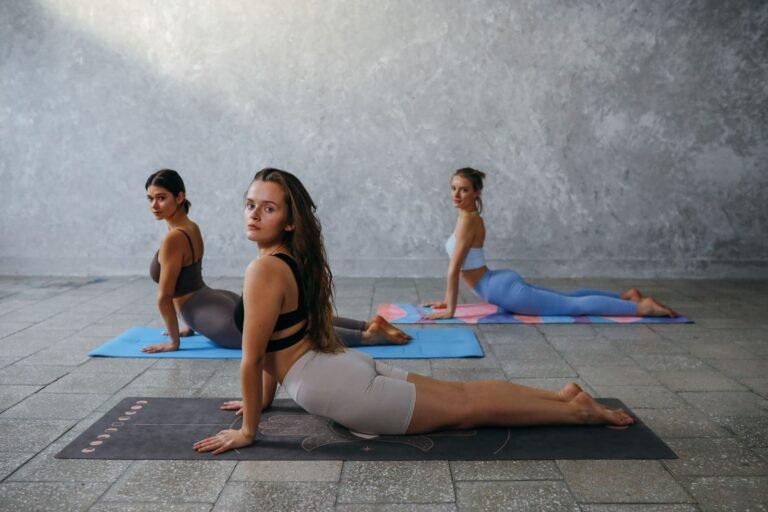
Learn cobra, sphinx, upward dog, bridge, camel, bow, and wheel pose with step-by-step instructions, safety tips, and counterposes.
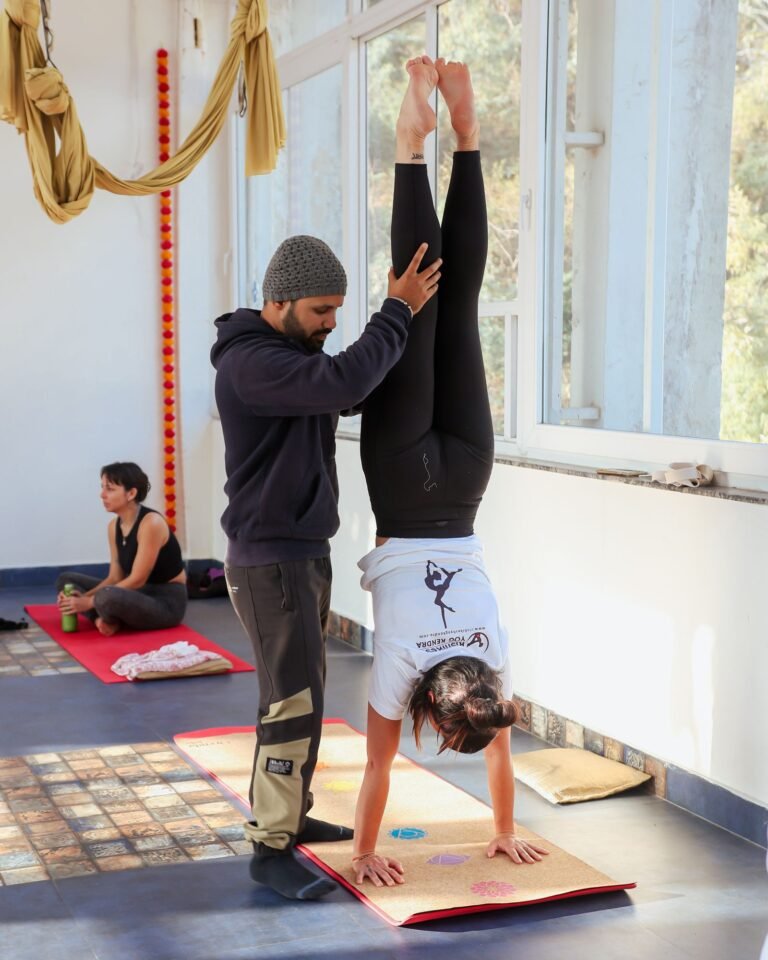
Learn safe yoga inversions from Downward Dog to Headstand. Step-by-step instructions, modifications, props, and contraindications for all levels.
New to Yoga?
Start with the basics and build a steady, safe practice
Our beginner guide covers your first class, practising at home and how to choose a style and teacher that suit you.